Container spot rates across the transpacific and Asia-Europe trades have posted significant double-digit increases this week. That’s the headline grabbing the attention of anyone watching ocean freight. But here’s the rub: beneath that immediate surge, the market is bracing for what might be a softening of demand. It’s a classic case of short-term volatility clashing with longer-term headwinds, a dance supply chains know all too well.
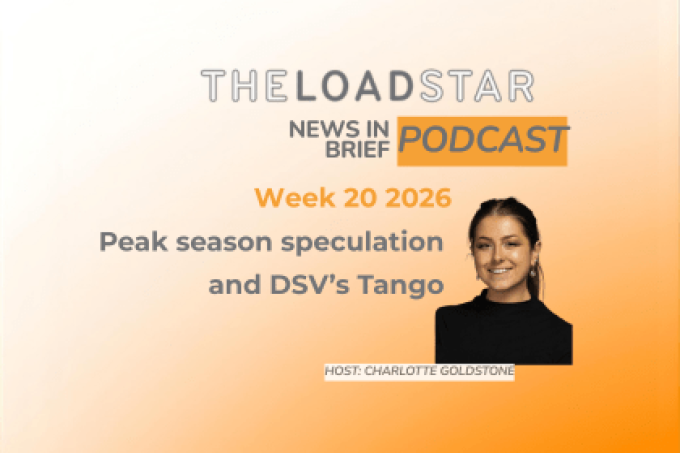
This week’s News in Brief podcast, featuring insights from Xeneta senior market analyst Destine Ozuygur and The Loadstar’s Alex Lennane, doesn’t shy away from these complexities. The conversation kicks off by dissecting the ongoing Middle East conflict and its potential ripple effects through the Strait of Hormuz – a critical artery for global commerce. You can’t discuss shipping today without acknowledging the elephant in the room: the persistent threat of disruption and its upward pressure on rates, even as underlying demand indicators might suggest otherwise.
Peak Season: Early Bird Gets the Worm, or the Price Gouge?
The podcast digs into the growing speculation about an early Asia-Europe peak season. Carriers are understandably playing coy, but the market chatter suggests a move to front-load capacity. This, coupled with concerns over oil prices and the specter of blank sailings (where carriers cancel scheduled voyages), paints a picture of a market trying to anticipate – or perhaps engineer – a stronger demand environment. Carrier Q1 earnings are also on the table, providing a snapshot of profitability amidst this choppy waters.
Here’s the thing: when rates spike like this, the immediate reaction is often fear of shortages and inflated prices. But the data can be a bit more nuanced. Are we seeing genuine, sustainable demand growth, or is this a reaction to manufactured scarcity and geopolitical jitters? The market often moves on sentiment, and right now, sentiment is leaning towards caution, but with a healthy dose of opportunism from those holding capacity.
The discussion explores growing speculation around an early Asia-Europe peak season, concerns over oil prices and blank sailings, carrier Q1 earnings, and the latest movements in ocean freight spot rates.
DSV’s Big Bet: Tango Over CargoWise
On the technology front, a seismic shift is underway at DSV. Alex Lennane breaks down the company’s confirmation that it’s ditching CargoWise, the industry-standard transportation management system, in favor of its in-house developed Tango and Star platforms. This is a bold move, and frankly, a bit of a head-scratcher for some. CargoWise is the bedrock for so many logistics giants; its deprecation by a player of DSV’s magnitude signals either immense confidence in their proprietary tech or a deep-seated desire for complete control over their operational backbone.
What does this mean for DSV’s future operations? It’s a massive undertaking. Migrating decades of operational data and processes from a proven, albeit proprietary, system to internally built platforms is fraught with risk. DSV is essentially betting big on their internal development teams to deliver a system that is not only functional but superior to what the market offers. It’s a play for efficiency and differentiation, certainly, but the execution will be everything. We’ve seen companies stumble when trying to reinvent the wheel, and DSV’s success here will be closely watched.
Will this integration be smooth, or will it lead to the kind of operational hiccups that can cripple a global forwarder? The jury is still out, but the sheer scale of this internal migration is noteworthy.
Other Headlines: Emirates, Cargolux, and Air Cargo’s Reaction
The podcast also touches on other significant industry movements: leadership changes at Emirates Group, Cargolux’s reactions to the Hormuz crisis, and how current disruptions are directly influencing air cargo rates and capacity. Air cargo, often the bellwether for broader supply chain health, is showing its own sensitivity to global instability, with rates and capacity availability becoming increasingly volatile.
It’s a complex picture. On one hand, we have rising spot rates in ocean freight, hinting at capacity constraints or increased demand. On the other, the geopolitical landscape is a constant wildcard, capable of throwing even the most carefully planned supply chain into disarray. DSV’s move away from CargoWise, while a tech story, also speaks to a broader trend of large organizations seeking greater control and customization in an increasingly unpredictable world.
Ultimately, the market is trying to price in a lot of unknowns. The rising container spot rates are a signal, but whether it’s a signal of strong demand or a preemptive strike against future disruptions remains to be seen. For now, shippers are left to navigate the volatility, hoping that the peak season speculation doesn’t translate into an unmanageable surge in costs.
Why Are Container Spot Rates Rising Now?
Container spot rates are climbing primarily due to a confluence of factors: ongoing geopolitical instability, particularly around the Strait of Hormuz, which is increasing transit times and carrier operational costs; anticipation of an early peak season, leading to increased booking activity; and carriers’ strategic management of capacity, including the potential for blank sailings. These elements combine to create upward pressure on immediate freight costs.
What’s the Impact of DSV Replacing CargoWise?
DSV’s decision to replace CargoWise with its in-house Tango and Star platforms represents a significant strategic shift. The potential impacts include greater operational control and customization for DSV, potentially leading to enhanced efficiency and unique service offerings. However, it also introduces substantial execution risk, as the company must ensure its proprietary systems can match or exceed the functionality and reliability of a long-established industry standard. This move could also signal a broader trend for large logistics providers to invest more heavily in proprietary technology.
🧬 Related Insights
- Read more: Fleet Vehicles: Scrap or Sell? Logistics Firms Grapple With End-of-Life
- Read more: Mack Trucks Doubles EV Infrastructure Program
Frequently Asked Questions
What is DSV’s new platform called?
DSV is replacing CargoWise with its in-house developed platforms, Tango and Star.
How is the Strait of Hormuz affecting shipping?
Disruptions or increased tensions in the Strait of Hormuz can lead to longer transit times, rerouting of vessels, increased security surcharges, and overall higher operational costs for shipping lines, which can translate to higher freight rates.
Will there be an early peak season in 2026?
There is growing speculation about an early Asia-Europe peak season in 2026. This is driven by market dynamics and carrier strategies rather than a confirmed demand surge.