And just like that, the giants are stumbling while the little guys are… well, not exactly leaping, but definitely showing more pep. Look at these numbers from South Korea’s regional carriers and feeder operators for 2025. They’re pulling in double-digit growth in operating profits, a stark contrast to their ocean-going brethren.
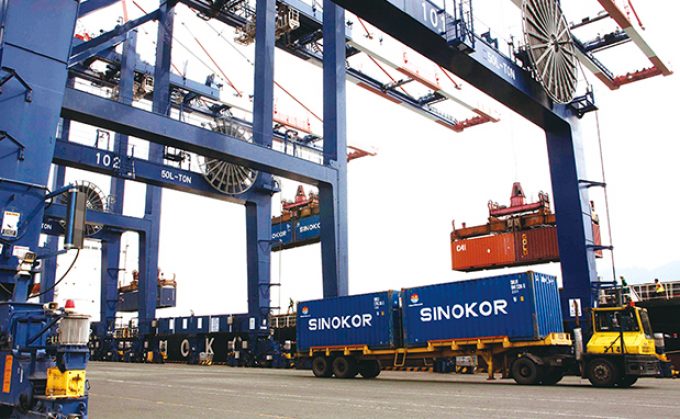
Who’s actually making money here? Turns out, it’s not necessarily the ones chasing the massive, long-haul routes that dominate headlines and inspire hefty fines. The proof? Sinokor, South Korea’s largest privately owned container line, and its affiliate, Heung-A Line, both tacked on solid gains. Sinokor’s operating profit jumped 14% on a revenue increase of 8%, even managing a 52% surge in net profit. Heung-A wasn’t far behind, posting a 48% jump in operating profit and a 76% bump in net profit. Their secret sauce? “a strong performance due to cost reduction efforts and better volumes on regional routes,” according to Sinokor’s own statement.
Regional Routes Prove Their Mettle
Namsung Shipping and its subsidiary, Dong Young Shipping, followed suit. Namsung’s revenue shot up 17%, and its operating profit nearly doubled. Diversifying into Indonesia, Malaysia, and India paid off, hitting its highest sales in three years. Dong Young saw sales rise 14% with an 11% operating profit increase, though net profit dipped because of fewer one-off gains. Even feeder operator CK Line chipped in with a 31% operating profit jump. Pan Ocean, mostly dry bulk but with a container division focused intra-Asia, saw its container revenue climb 21% with a 15% operating profit bump.
Where Did the Big Players Go Wrong?
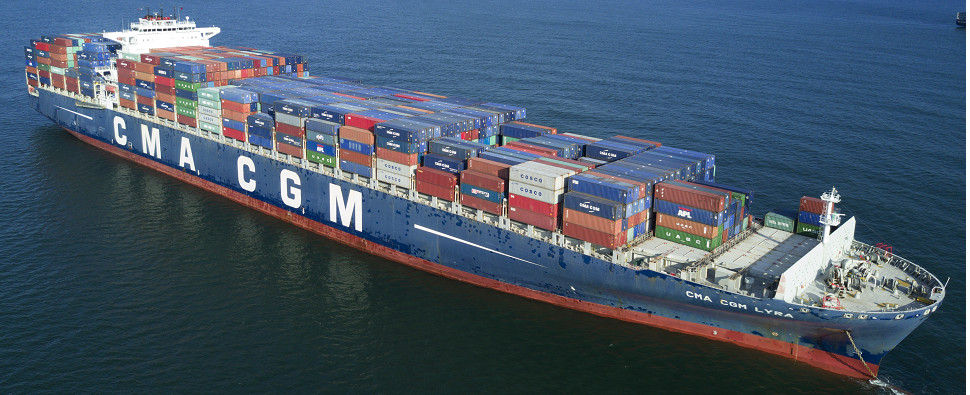
Now, compare that to the heavy hitters. HMM, South Korea’s flagship carrier, saw its revenue dip 7%, operating profit plummet 58%, and net profit get cut in half. SM Line, which plays in both transpacific and intra-Asia, reported a healthy 61% revenue rise, but costs ate into operating profit, dropping it 11%. KMTC Line, brave enough to restart transpacific services, saw revenue fall 1%, operating profit drop 37%, and net profit decline 45%. Ouch.
It’s a classic case of the niche player outmaneuvering the behemoth. While the big carriers are caught in a web of global trade fluctuations, trade wars (remember those US tariffs the text vaguely mentions?), and the sheer expense of running massive fleets across vast distances, the regional players are executing surgical strikes on profitable, shorter routes. They’re less exposed to the volatile swings of intercontinental shipping and can often operate with leaner, more focused cost structures.
This isn’t exactly new. For years, I’ve seen companies that focus on specific, well-defined markets do better than those trying to be everything to everyone. It’s the difference between running a local deli that knows its neighborhood and a national chain that’s just… there. The regional carriers have found their sweet spot, and frankly, it looks a lot more stable than the high-stakes gamble of long-haul shipping.
Sinokor achieved “a strong performance due to cost reduction efforts and better volumes on regional routes”.
So, what’s the takeaway for the industry? Stop chasing the dragon of global dominance if you’re not built for it. There’s serious money to be made in the less glamorous, but often more predictable, regional trades. It’s about smart execution, not just scale. The next time you see a shipping company posting eye-watering profits, look closer: they might just be the ones quietly dominating the routes you’ve never heard of.
Why Do Regional Routes Matter More Right Now?
For South Korean carriers, the answer is simple: profitability and stability. While long-haul routes face constant headwinds from geopolitical tensions, fluctuating fuel costs, and overcapacity, regional and intra-Asia routes offer more predictable demand and potentially lower operating expenses. The growth figures demonstrate that investing in and optimizing these shorter, more focused lanes can yield better financial results than battling for market share on the ultra-competitive global stage.
What’s Next for the Big Carriers?
This trend suggests a strategic re-evaluation for major carriers. They might need to consider divesting from less profitable long-haul operations or, conversely, find ways to inject greater efficiency and cost control into their existing networks. For now, the regional players have found a lucrative niche, proving that sometimes, less is more in the complex world of shipping.