An explosion and subsequent fire aboard the HMM Namu in the Strait of Hormuz has been extinguished, with all crew members safe. The incident raises fresh concerns for maritime security in the volatile region.
Strait of Hormuz: A Vessel Under Fire
The HMM Namu, a newly built 38,000 dwt multi-purpose vessel, found itself the latest target in escalating tensions within the Strait of Hormuz. Yesterday, following an explosion, the ship became stranded, only for the blaze to be fully extinguished today. It’s now being towed to Dubai for necessary repairs. This isn’t just a minor incident; it’s a stark reminder of the precarious state of global shipping lanes when geopolitical instability boils over.
An HMM spokesperson confirmed the safety of all 24 crew members – six South Koreans and eighteen foreign nationals. “We are investigating the cause [of the fire], including potential contact with an external object, in close coordination with relevant authorities,” they stated. The details are still emerging, but early reports from maritime security firm Vanguard Tech suggest an explosion on the port side, near the engine room. They cite security sources pointing to either a sea drone or a drifting mine as the potential culprits.
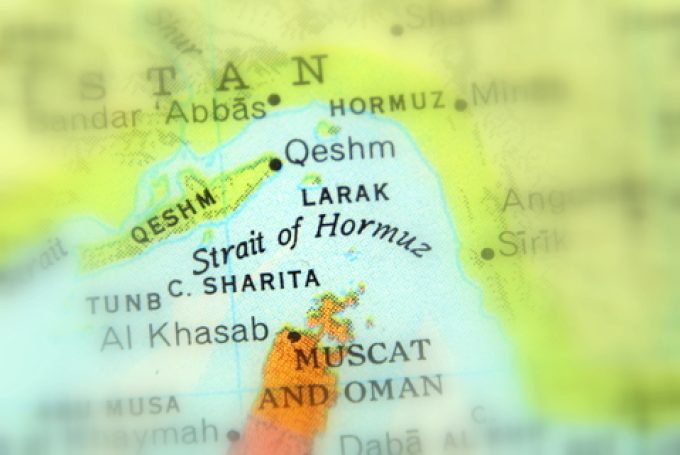
The timing of this attack is particularly noteworthy. Iran has simultaneously announced a new maritime control zone in the strait, effectively redrawing operational boundaries. This expansion, stretching from south of Mount Mubarak in Iran to south of Fujairah in the UAE, and westwards between Qeshm Island and Umm Al Quwain, adds another layer of complexity and potential friction for commercial traffic.
The HMM Namu had been delivered from China in January and was on its maiden voyage when it became one of many ships to get stuck in the strait when the US/Israel-Iran conflict broke out on 28 February.
This incident marks the first confirmed strike on a South Korean-owned vessel amidst the ongoing conflict. South Korea’s second vice-minister for foreign affairs, Kim Jin-ah, has engaged with representatives from seven Middle Eastern diplomatic missions, underscoring the international gravity of the situation. Thankfully, no injuries were reported, but the message is clear: the Strait of Hormuz remains a flashpoint.
The Namu attack wasn’t an isolated event. It coincided with reports of two other vessels being targeted within a 24-hour span. The UK Maritime Trade Office noted a tanker hit by unknown projectiles and a bulk carrier assaulted by multiple small craft near Sirik, Iran. This pattern suggests a deliberate escalation of aggression, designed to disrupt regional shipping and project power.
Meanwhile, broader efforts are underway to restore confidence. The US Navy escorted the US-flagged car-carrier Alliance Fairfax out of the strait. CENTCOM announced “Project Freedom,” a US initiative aimed at re-establishing commercial shipping flow. The Alliance Fairfax itself is part of the US Maritime Security Program, a crucial component ensuring transport for the US military during emergencies. But one escorted vessel doesn’t resolve the systemic risk.
The Lingering Threat to Supply Chains
The repeated attacks in the Strait of Hormuz are more than just headlines; they are direct threats to global supply chains. This waterway is a critical chokepoint, handling a significant portion of the world’s oil and LNG shipments, as well as vast quantities of manufactured goods. Any disruption, prolonged or even perceived, sends ripples through commodity prices, manufacturing schedules, and consumer costs.
The market’s reaction, while perhaps muted in the short term due to pre-existing geopolitical jitters, will inevitably factor this increased risk into freight rates and insurance premiums. For shipping companies and their clients, the calculation becomes stark: do you absorb the higher costs, reroute at significant expense, or simply wait for the storm to pass? And how long is ‘significant’?
This situation highlights a fundamental flaw in our increasingly interconnected global trade infrastructure: its vulnerability to localized conflicts. While technological advancements in tracking and communication have improved visibility, they do little to deter state-sponsored or proxy aggression. The HMM incident is a wake-up call for a more strong, perhaps even collaborative, approach to maritime security in these vital arteries of commerce. Simply hoping for de-escalation is no longer a viable strategy for the shipping industry.
The HMM Namu Incident: A Deeper Dive
The HMM Namu itself represents the modern face of global shipping – a significant, specialized vessel on its inaugural voyage. Its targeting underscores that even new, potentially more resilient ships aren’t immune. The involvement of South Korea adds another diplomatic layer, given its strategic position and reliance on international trade.
The conflicting reports on the precise cause – missile versus drone versus mine – are to be expected in the fog of geopolitical conflict. What’s clear is that the intent was likely to cause damage and disruption, serving as a forceful statement. The UAE’s proximity to the incident and its role in the towing operation further embed it within the regional dynamics.
The broader implication for logistics managers is the need for contingency planning. This isn’t a ‘black swan’ event anymore; it’s a recurring symptom of a volatile geopolitical landscape. Companies must assess their exposure, build redundancy into their networks, and stay meticulously informed. The cost of being blindsided far outweighs the investment in proactive risk management.
🧬 Related Insights
- Read more: GOP Slams Door on Iran War Powers as Oil Chokepoints Loom
- Read more: Zebra Invests in Apera AI: Vision for Smarter Robots
Frequently Asked Questions
What was the HMM Namu? The HMM Namu is a 38,000 deadweight tonnage (dwt) multi-purpose vessel, a relatively new ship that was on its maiden voyage when it was hit in the Strait of Hormuz.
Are all HMM ships safe in the Gulf? HMM has stated that all 24 crew members aboard the HMM Namu are safe. The company also has four other vessels—two tankers, another multi-purpose vessel, and a containership—that were stranded in the Gulf during the incident.
What is the Strait of Hormuz? The Strait of Hormuz is a narrow channel connecting the Persian Gulf to the Gulf of Oman and the open sea. It’s a critical chokepoint for global oil and LNG shipments, and therefore, a vital artery for international trade.