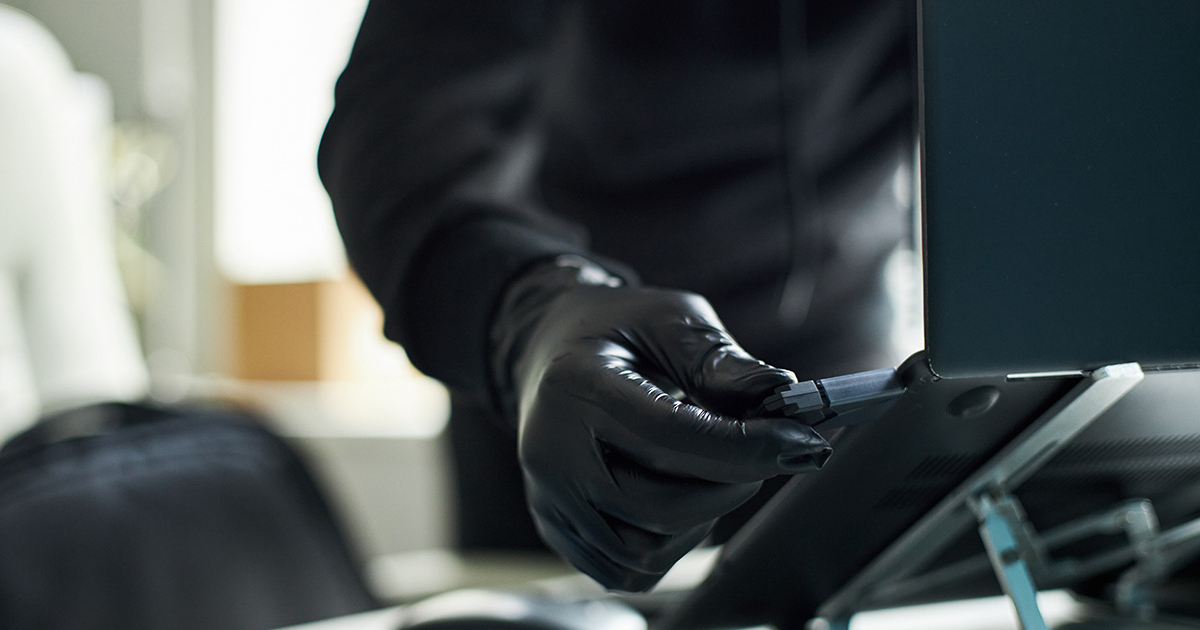
Cyber Cargo Theft Explodes.
The FBI’s recent public alert isn’t just a heads-up; it’s a klaxon call for an industry seemingly caught flat-footed. Over the past two years, cyber impersonation tactics have fueled a dramatic surge in cargo theft cases, a trend that’s escalating with alarming speed. We’re talking about criminals posing as legitimate freight companies to hijack shipments, reroute valuable goods, and drain pockets — the financial impact of which is already estimated to be north of $18 million daily.
This isn’t your grandfather’s cargo heist, folks. The digital age has brought a new breed of thief, one who doesn’t need a crowbar to breach your defenses. Instead, they’re deploying sophisticated phishing emails and creating eerily accurate fake URLs to gain unauthorized access to carrier and broker systems. The goal? To compromise accounts, inject malware, and, ultimately, reroute entire shipments into their waiting hands. It’s a digital pincer movement that targets everything from insurance providers to the very last mile of delivery.
The Digital Shell Game: How Thieves Hijack Freight
The FBI has helpfully laid out a multi-step playbook these cyber actors are using. It starts with impersonation. They’ll spoof broker emails, often with links that seem innocuous – perhaps a ‘carrier broker agreement’ or a request to ‘review poor service ratings.’ These aren’t just bad links; they’re gateways. Clicking them redirects unsuspecting victims to phishing websites that mimic legitimate ones, ready to download malicious software. This grants the attackers complete, undetectable access to the victim’s systems. Think of it as a digital Trojan horse, delivering a silent occupier.
Once inside, they hit the load boards. Using compromised carrier accounts, these criminals post fraudulent loads. Legitimate carriers, eager for business, bid on these fake shipments. The thieves then send out a fake carrier broker agreement, which, surprise, contains more malicious code, further compromising the carrier’s systems. At this point, the compromised carrier is effectively a puppet, accepting shipments and double-brokering loads to drivers who are fed manipulated bills of lading and diverted to new, clandestine destinations.
They don’t stop there. To ensure their continued access and ability to manipulate data, the thieves often update a legitimate carrier’s contact information with the Federal Motor Carrier Safety Administration and even tamper with insurance details. This allows them to book loads that the actual legitimate carrier would never have agreed to. The real carrier often doesn’t realize they’ve been compromised until brokers start calling about missing loads booked under their authority but entirely without their knowledge. It’s a level of deception that makes traditional bait-and-switch schemes look like child’s play.
Transloading and Ransoms: The Grim Aftermath
The stolen cargo is then often ‘cross-docked’ – moved rapidly from one carrier to another, sometimes in unassuming locations like the side of the road, before being picked up by colluding drivers. This transloading process is designed for speed and obscurity, making it incredibly difficult to track. Some drivers involved may not be fully aware of the extent of the scheme, but the FBI points out that certain aspects of their involvement are often suspicious and atypical for the industry.
And for a final twist of the knife, sometimes these impersonators will even re-engage with the compromised broker, demanding a ransom for the location of the missing cargo or information about the stolen load. It’s a brazen extortion tactic, preying on the desperation of businesses already reeling from the theft.
Can You Spot the Scammer?
The FBI’s advice is clear: stay vigilant. Be wary of brokers or carriers contacting you about unauthorized shipments conducted in your company’s name. Watch out for emails spoofing legitimate company domains but using free email providers – a classic red flag. Also, be suspicious of unusual requests or communication methods outside your established protocols. The rise of these cyber schemes underscores a fundamental truth: in the digital supply chain, trust is a currency easily counterfeited, and vigilance is your most critical asset.
This isn’t just about lost shipments; it’s about the erosion of trust across the entire logistics ecosystem. For companies that depend on smoothly, reliable freight movement, this surge in sophisticated cybercrime presents a tangible, escalating threat. The question isn’t if your company will be targeted, but when, and how prepared you’ll be when the digital wolves come knocking. The FBI’s warning is a stark reminder that in this new frontier, cybersecurity isn’t just an IT issue; it’s a core operational imperative.