AI is here. Now what?
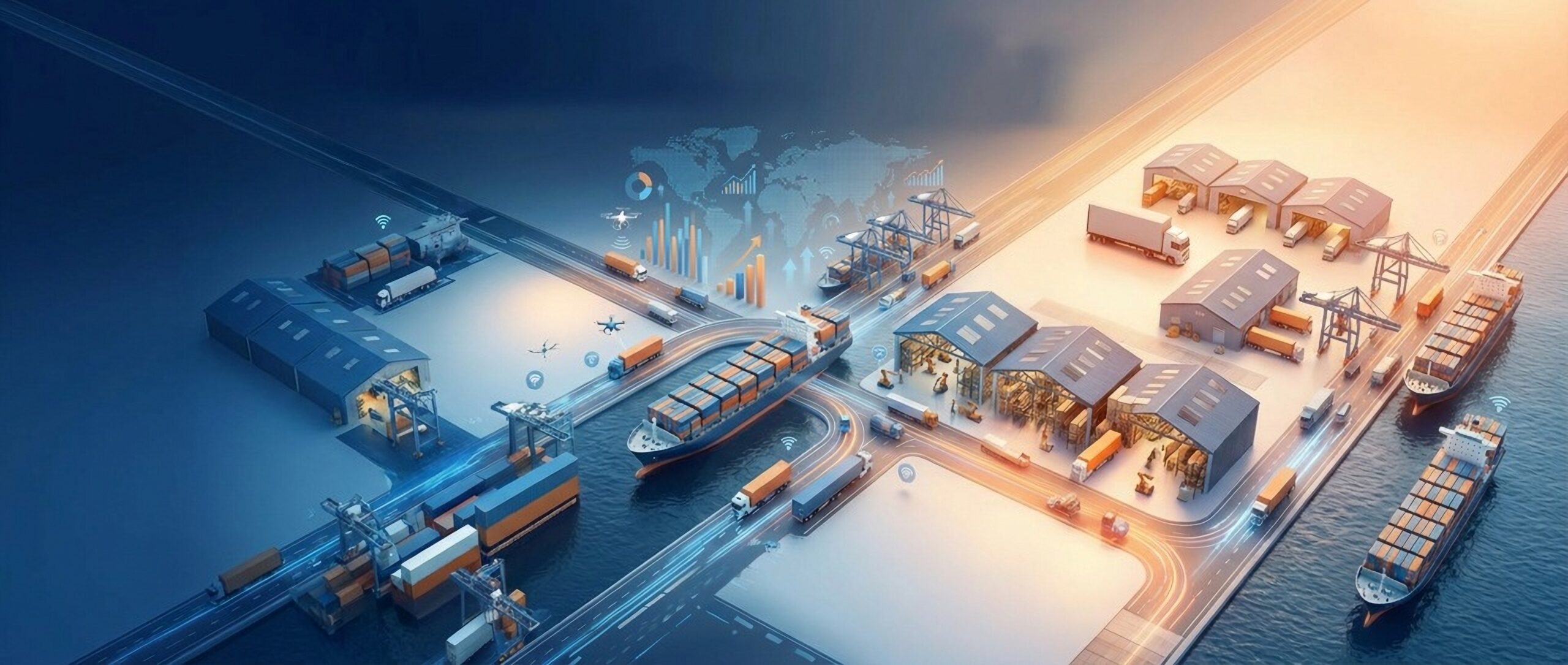
Look, the headlines about AI these days are often a chaotic blend of panicked doom-saying and giddy, almost religious evangelism. It’s enough to make your head spin, right? But beneath all the noise, something truly profound is happening in the supply chain world, and it’s not just another software update. This is a fundamental platform shift, folks, the kind that redraws entire industries. Think of it like the internet arriving, or the dawn of the smartphone. AI isn’t just a tool; it’s a new operating system for how businesses will think, operate, and, yes, even pay their people.
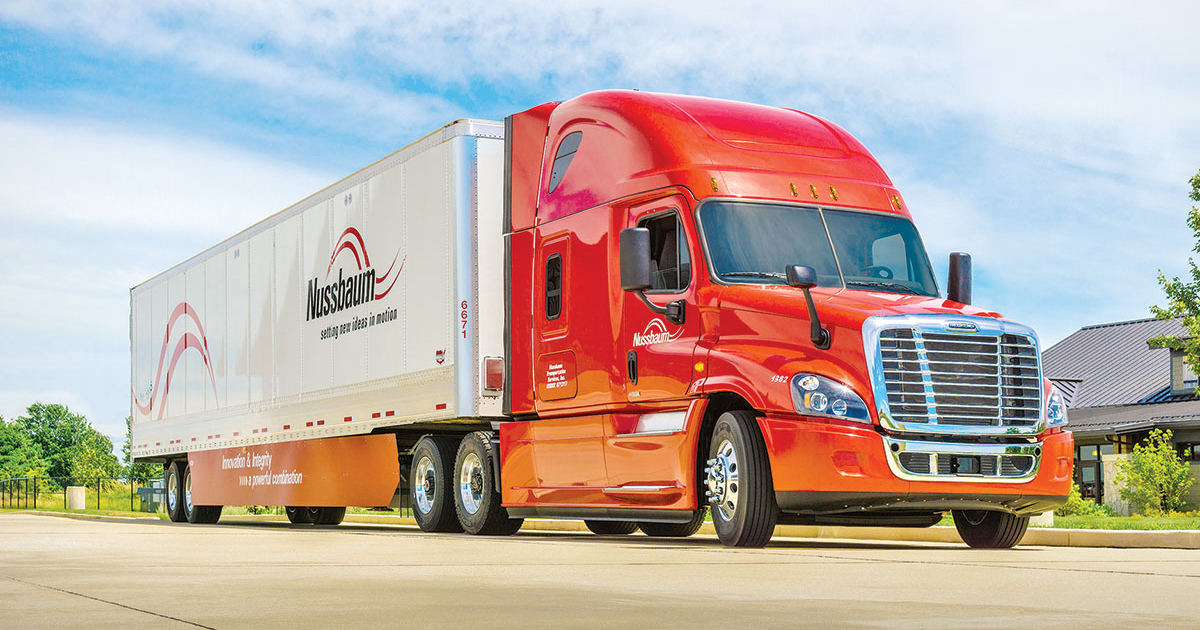
Nussbaum Transportation, in a move that signals this very evolution, just dropped what they’re calling their largest compensation update in recent history for their over-the-road (OTR) van drivers. This isn’t your grandpa’s freight company tinkering with a few cents here and there. We’re talking about a multi-pronged assault on driver compensation that includes hikes in mileage pay, beefier weekly guarantees, a new transition bonus, quarterly profit-sharing, and even an enhanced early exit option. It’s a package designed not just to attract drivers, but to keep them, and critically, to recognize the immense value they bring to the table in a world increasingly reliant on getting goods from A to B.
The Payout Breakdown: More Than Just Miles
So, what does this actually look like for the folks behind the wheel? For current OTR drivers, it’s a 3-cents-per-mile increase and a $50 bump in their weekly minimum guarantees. That might sound small on paper, but over the course of a year, those pennies add up. And for new hires, the picture gets even brighter. They’re starting 5 cents per mile higher than before, with an extra $100 in their weekly guarantee. But here’s where Nussbaum is really swinging for the fences: drivers joining as irregular route OTR van operators in specific, high-demand markets – Chicago and Carbon Cliff, Illinois; Kenosha, Wisconsin; Indianapolis; and Columbus, Ohio – are seeing the most significant uplift. These drivers will snag an extra 10 cents per mile and a $200 jump in their weekly minimum guarantee. That’s not just competitive; that’s a siren song in a tight labor market.
Nussbaum President Bill Wettstein put it pretty plainly, and I think there’s genuine heart in his words. He stated,
“Our professional drivers set Nussbaum apart by living our vision and values in a job that can be quite challenging. They deserve this pay increase, and we are excited for them to continue sharing in the value that their hard work and dedication have created.”
This isn’t just corporate speak; it’s an acknowledgment that the human element in logistics, despite all the talk of automation, is still king. And when that human element is compensated accordingly, everyone wins.
The AI-Driven Future of Driver Pay: A Wild Guess?
Now, let’s strap on our futurist goggles for a second. How does AI tie into this seemingly straightforward pay raise? Well, consider this: AI is rapidly becoming the ultimate optimizer. It can predict demand with uncanny accuracy, route trucks with hyper-efficiency, and even analyze driver behavior to improve safety and reduce wear and tear on equipment. All of these efficiencies, fueled by AI, create more value within the company. So, when Nussbaum talks about profit-sharing, they’re not just being nice; they’re essentially creating a mechanism to distribute the tangible financial gains that AI and advanced analytics are helping them unlock. It’s a closed-loop system: AI makes the operation more profitable, and a portion of that profit flows directly back to the people making it all happen on the ground. This, my friends, is the future of compensation in an AI-augmented supply chain.
Beyond the mileage and guarantees, Nussbaum is rolling out a $3,000 transition bonus for new drivers, paid out within their first six months. This is a brilliant move to ease the initial financial strain and show commitment. Then there’s the quarterly profit-sharing, tied directly to the company’s financial performance. They estimate an average year could yield about 2 cents per mile in bonuses, with stronger years potentially exceeding 4 cents. Imagine getting a bonus that’s directly proportional to how well the entire company is doing, powered by smart operations! And for those who might find Nussbaum isn’t the perfect fit, they’ve doubled their early exit option to $2,000 from $1,000 for drivers who decide to leave within their first 90 days. It’s a safety net, a signal of confidence and a way to reduce the risk for potential hires.
Why This Matters Beyond Nussbaum’s Lots
This isn’t just a feel-good story about one trucking company. It’s a canary in the coal mine, a loud and clear signal that the economics of the supply chain are fundamentally shifting, and drivers are at the epicenter. For years, we’ve seen companies talk about driver shortages and the need for better pay, but often it’s been incremental. This feels different. This feels like a proactive embrace of a future where talent acquisition and retention are paramount, and where the profitability unlocked by technological advancements is being thoughtfully shared.
The core takeaway here, for me, is that AI isn’t just about automating tasks; it’s about creating new economic models. When companies like Nussbaum can use AI to refine their operations to the point where they can offer significant pay increases and profit-sharing, it validates the entire AI investment. It’s not just a cost center; it’s a revenue and profit generator that allows for richer rewards for the human workforce. We’re seeing the first echoes of a future where AI amplifies human capability, and the financial benefits are distributed more equitably. It’s an exciting time to be covering this space.
🧬 Related Insights
- Read more: Freight Rates Surge as Capacity Shrinks in April 2026
- Read more: Iran War Skirts U.S. Ports—Fuel and Tariffs Ready to Pounce
Frequently Asked Questions
What is the main point of Nussbaum’s new driver pay package? Nussbaum is implementing its largest compensation update ever for OTR van drivers, significantly increasing mileage pay, weekly guarantees, and adding bonuses and profit-sharing to attract and retain drivers.
How much more can new drivers expect to earn? New irregular route dry van hires are projected to earn an additional $5,000 to $6,000 per year, with first-year earnings ranging from $81,000 to $92,000. Drivers in select markets can earn even more.
Does this pay increase relate to AI adoption? While not directly stated, the enhanced profitability that allows for such substantial pay increases and profit-sharing is increasingly enabled by AI-driven optimizations in logistics, routing, and demand forecasting.