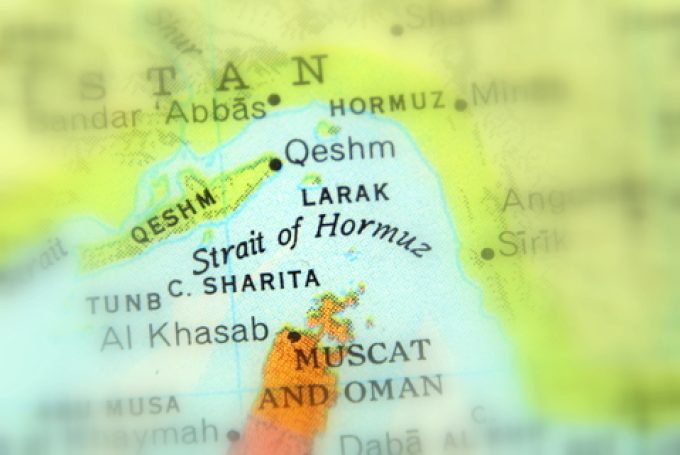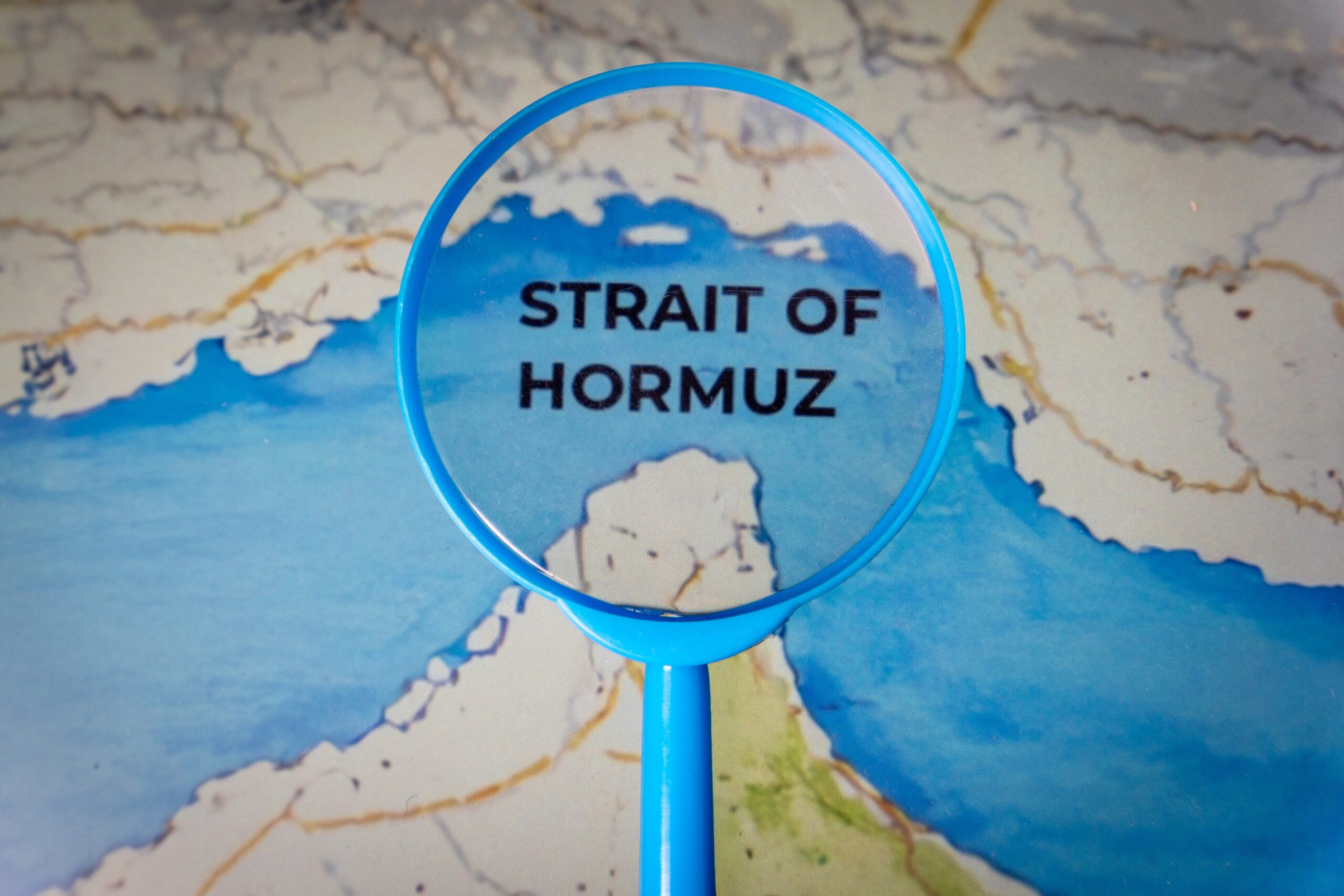
Let’s talk about how much money is actually being made here. Because while headlines scream about geopolitical drama and closed waterways, there’s a less glamorous, but far more lucrative, story unfolding in the dust and diesel of the Arabian Peninsula. March saw the value of goods crossing Oman’s Ramlet Khelah border triple, soaring from $300 million to a staggering $830 million. Triple. In one month. That’s not just numbers on a page; that’s fuel in tanks, meals on tables, and maybe even a few bonus checks for the folks actually driving the trucks through the Empty Quarter.
The Empty Quarter Becomes the New Highway
Remember Saudi Arabia’s Route 95? Planned for ages, bogged down by engineering nightmares building through shifting sands, it’s suddenly the star of the show. Turns out, when your primary sea passage is effectively a no-go zone, a 16-hour reduction in travel time — and the elimination of UAE customs headaches — becomes a very, very big deal. This isn’t just about bypassing a chokepoint; it’s about cutting out the expensive, slow bits in between. And the folks at Ramool Transportation? Their March 2026 earnings reportedly blew past their entire 2025 haul. Yeah, you read that right. Someone’s making a killing.
So, Who’s Actually Cashing In?
It’s easy to get lost in the talk of state intervention and grand infrastructure plans. But the real story here, the one that should have investors paying attention, is the surge in private enterprise. Entrepreneurs are cobbling together these new routes, expanding capacity on existing ones — and the numbers, like the one from Oman, speak for themselves. The Oman Public Authority for Special Economic and Free Zones clearly sees dollar signs, reporting that nearly threefold increase in border crossing value. This isn’t some abstract economic theory; it’s tangible cargo moving, and money changing hands. Fertilizers, construction materials, food, medicine, machinery – the basics of commerce, finding new ways to flow.
The new road has reduced travel time between the start and end points by 16 hours, bypassing an older sand road and eliminating detours through the UAE with customs delays.
And it’s not just the immediate trucking operations. The ink is barely dry on the Saudi-Omani joint economic zone plan, EZAD, set to open next year. While its focus is manufacturing, its existence is directly tied to the viability of this new land bridge. Asyad, the Omani logistics company running the land port, is betting big on this shift.
Railing Against the Dying of the Light (or Sea Lanes)
Saudi Arabian Railways is also getting in on the act, dusting off pre-war plans to divert freight from roads to rail. Five new freight corridors are being pushed, aiming to connect the kingdom’s east and west coasts. This is less about pivoting to a new route and more about optimizing existing infrastructure for a new reality. When the usual sea routes are crippled, every bit of rail capacity suddenly becomes a lot more valuable. And it’s not just about internal Saudi movement; connections to Red Sea ports, and even overland routes through Jordan to the Mediterranean via Syria, are suddenly back on the table.
The Shipping Giants’ Pivot
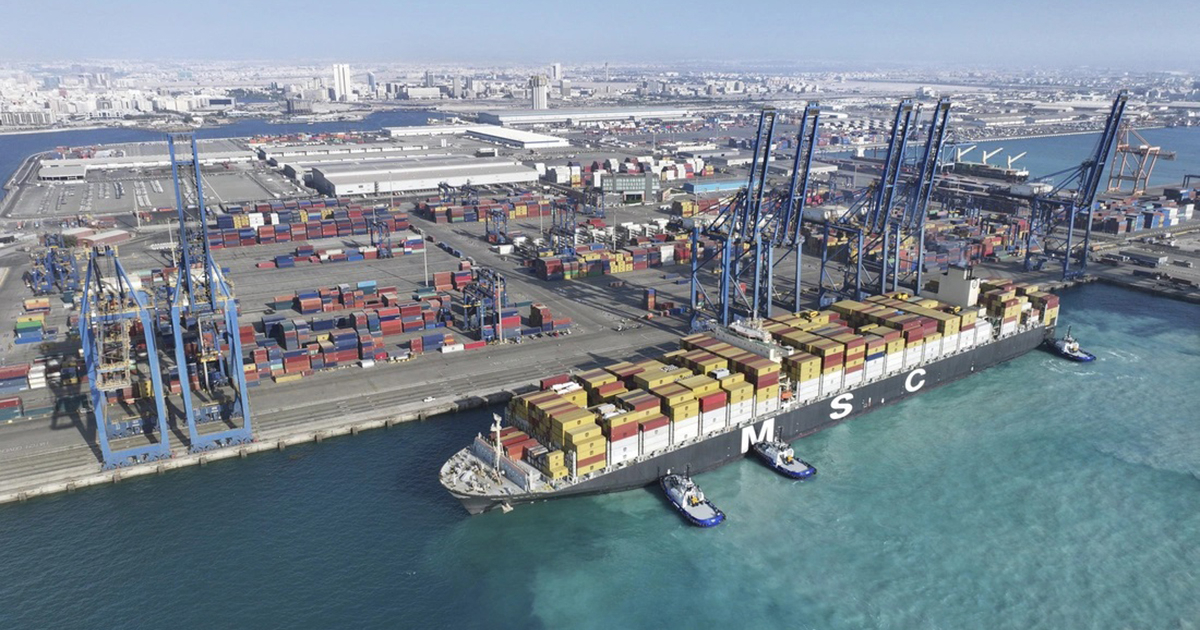
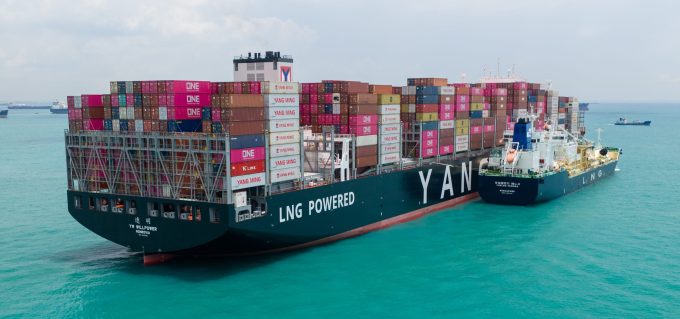
Even the behemoths like MSC and Hapag-Lloyd are scrambling. They’re not just running ships anymore; they’re orchestrating these complex sea-and-land combos. Think Antwerp to Jeddah by sea, then trucked to Dammam, and then feeder vessels to the Gulf ports. It’s a logistical ballet, and for the companies pulling it off, the margins must be looking pretty sweet. This isn’t just a temporary workaround; it’s a fundamental restructuring of how goods move in and out of the region. Who’s paying for all this complexity? Ultimately, it’s the consumer. But the initial profits? Those are staying with the operators who can navigate this new, dusty, and highly lucrative landscape.
The Bottleneck to Big Bucks
Of course, it’s not all smooth sailing — or smooth trucking, for that matter. The immediate bottleneck? Trucks and drivers. But as anyone who’s seen a surge in demand knows, higher revenues attract participants like moths to a flame. So, that’ll likely sort itself out. The more persistent problem will be port capacity. Khor Fakkan and Fujairah, for all their strategic importance, are dwarfed by Jebel Ali’s scale. Sohar and Salalah are efficient, yes, but limited. Expanding port capacity takes time and massive capital. Time and capital that, right now, are probably being poured into keeping these new, dusty, but profitable, land routes humming.
🧬 Related Insights
- Read more: Trump’s Midterm Power Play: Who Pays the Price?
- Read more: Hormuz Shutdown: Only 1 Tanker Breaches Blockade
Frequently Asked Questions
What are the new logistics routes bypassing the Strait of Hormuz? New logistics routes primarily involve overland transport through Saudi Arabia and Oman, connecting the Red Sea to the East Coast and onward to the Gulf, as well as enhanced rail networks within Saudi Arabia.
Why are new logistics routes needed for Gulf destinations? New routes are needed because the continued closure of the Strait of Hormuz has severely disrupted traditional maritime shipping, effectively cutting off access to many Gulf ports.
Who is benefiting from these new logistics routes? Private entrepreneurs, trucking firms like Ramool Transportation, and logistics companies such as Asyad are benefiting from the increased demand and higher revenues generated by these alternative routes.