A freighter’s horn bleats mournfully in the pre-dawn mist, a sound that’s become both a comfort and a constant reminder of the fragile interconnectedness of our world.
Here’s the thing: the supply chain isn’t just about moving boxes. It’s a nerve system, exquisitely sensitive to geopolitical tremors, and right now, there are plenty of them. Kuehne+Nagel, one of the titans in this complex dance, is making moves. Their latest pronouncements reveal a strategic pivot, a calculated response to the escalating tensions that began to truly bite in the first quarter of this year, even if the immediate Q1 volume drop from the Iran conflict was a relatively mild 1.5% in ocean freight.
What’s fascinating isn’t just that they’re reacting. It’s how. We’re not talking about slapping a few extra fees on existing routes. This is about architectural shifts, about redrawing the operational map. The development of “new ocean markets” and “air freight measures” sounds almost like a corporate memo trying to put a brave face on chaos. But peel back the corporate jargon, and you find a deeper strategy at play.
Think about it. When established East-West trade lanes become unpredictable—whether due to sanctions, outright conflict, or simply the rising cost of insurance and security—companies like K+N don’t just sit on their hands. They start looking at the periphery, the under-explored arteries of global commerce. This might mean leaning harder into North-South routes, or developing capabilities in regions that were previously considered secondary. It’s about resilience through diversification, a concept as old as trade itself, but now executed with the dizzying speed and complexity demanded by the 21st century.
Dodging the Shrapnel: Air Freight’s New Role
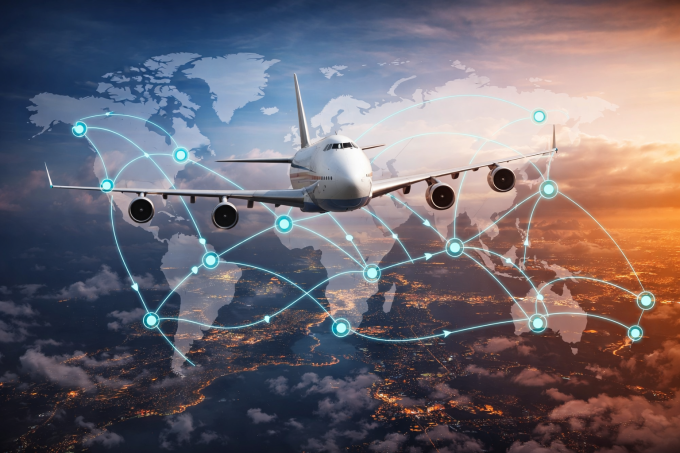
And then there’s the air freight side. War inevitably impacts air corridors, either directly through airspace closures or indirectly through increased demand for urgent cargo. K+N’s “measures” here likely translate to building more flexible capacity, securing dedicated charters, and perhaps even investing in multimodal solutions that can quickly pivot from sea to air when deadlines loom. It’s about creating options, buffers against the unexpected, ensuring that critical goods—medical supplies, vital components for manufacturing—don’t get stranded.
This isn’t just about mitigating immediate losses. It’s about future-proofing. Geopolitical instability isn’t a fleeting trend; it’s becoming the new normal. Companies that can adapt, that can architect their logistics networks to absorb shocks, will be the ones that thrive. K+N’s proactive stance suggests they understand this deeply.
“We are developing new ocean markets and implementing additional air freight measures to offset the impact of current geopolitical developments.”
There’s a certain elegance to it, if you appreciate strategic maneuvering. It’s a delicate balance between maintaining profitability and fulfilling their fundamental role: keeping the global economy humming. The war in Ukraine, and the broader instability it represents, has certainly forced a re-evaluation of risk. For a company that thrives on predictability, this is a significant challenge. But challenges breed innovation, or at least, significant operational adjustments. And K+N seems to be embracing the latter, with a keen eye on the former.
My read? This isn’t just about a few route adjustments. It’s a microcosm of a broader industry trend: the move away from hyper-optimized, just-in-time supply chains towards more resilient, distributed models. The war has acted as an accelerant, exposing the vulnerabilities that had been papered over during years of relative global calm. K+N is simply one of the first out of the gate with a public statement about their strategic response. Expect to see more of this.
Why Does This Matter for Your Bottom Line?
So, why should you, the savvy reader of Supply Chain Beat, care? Because these shifts at the top trickle down. If K+N is developing new ocean routes, it means new transit times, potentially different costs, and new points of congestion to watch out for. If they’re boosting air freight capacity, it signals continued pressure on that market, impacting lead times and prices for everyone. It’s a reminder that the global logistics chessboard is constantly being rearranged, and understanding these moves is key to navigating the complexities of your own supply chain.
The old assumptions are crumbling. The world is more fractured, more volatile. And the companies that can build flexibility into their DNA, that can find new ways to connect point A to point B when the direct line is severed, are the ones that will emerge stronger. Kuehne+Nagel isn’t just talking about it; they’re doing it. And the rest of the industry will likely be watching, and following, very closely.
🧬 Related Insights
- Read more: $70M Federal Lifeline for Port of LA: Dredging, Seismic Fixes, and a $6B Backlog
- Read more: MIT Just 3D-Printed a Working Motor in 3 Hours—Hardware’s Desktop Revolution Begins
Frequently Asked Questions
What are the new ocean markets Kuehne+Nagel is developing? While the specifics aren’t fully detailed, it implies exploring and formalizing trade routes beyond the most traditional, high-volume lanes, likely focusing on diversification to mitigate risks associated with established corridors.
How will this affect air freight costs? Increased demand and the development of new strategies by major players like K+N can lead to greater capacity, but also potentially higher costs for urgent or specialized shipments as demand continues to outstrip readily available options.
Is this a sign that global trade is becoming more fragmented? Yes, the need to develop alternative routes and measures due to geopolitical events strongly suggests a trend towards more fragmented and regionalized supply chains, prioritizing resilience over pure cost efficiency.