Let’s cut to the chase. For the dockworkers, the truck drivers, the warehouse staff — this isn’t some abstract geopolitical play. It’s about whether their jobs might shift, if their commute changes, and if the goods they handle will flow more smoothly or get stuck in another bureaucratic mess.
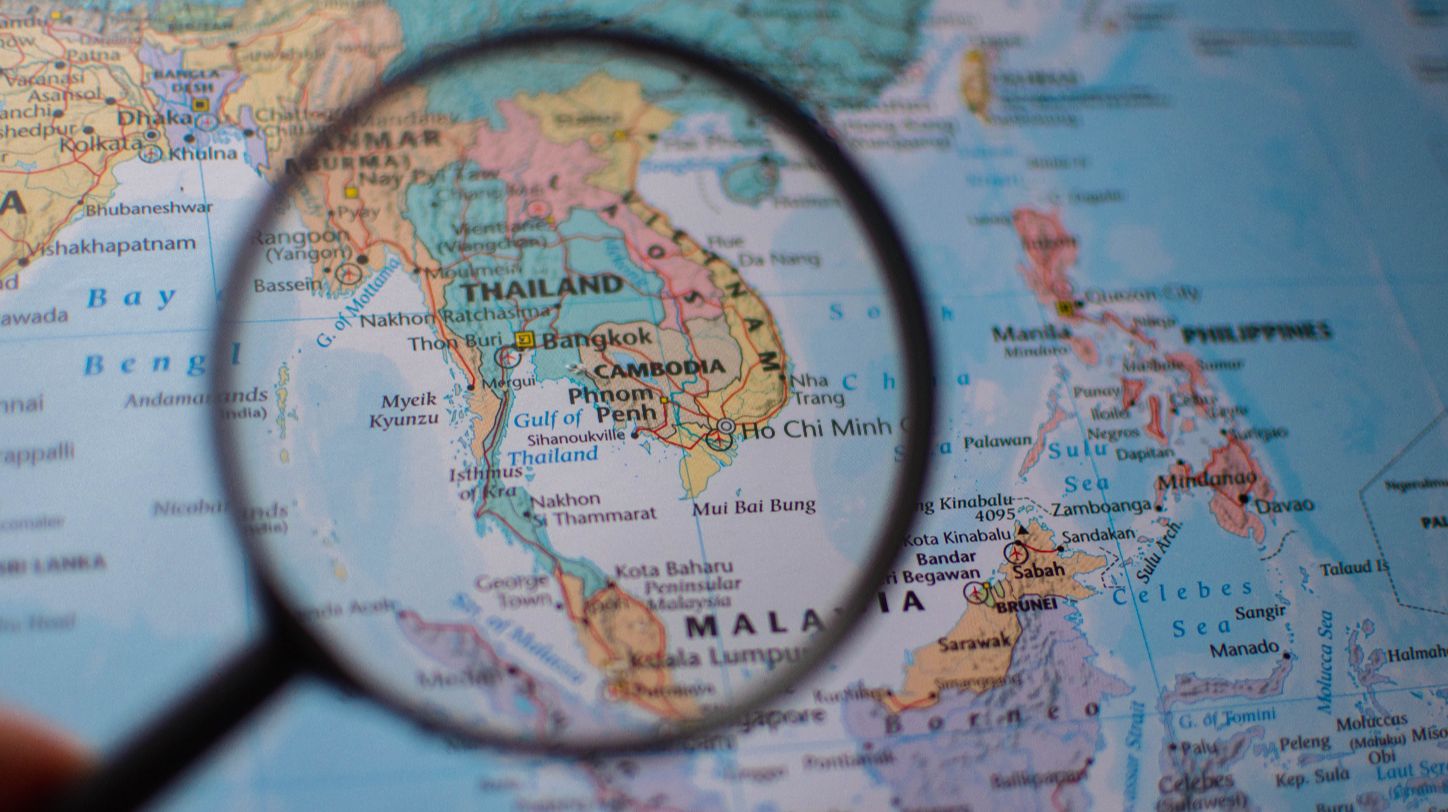
Thailand is once again staring at a gargantuan ambition: a land bridge. Not a quaint little path, mind you, but a 1-trillion-baht (that’s nearly $31 billion) mega-project intended to slash shipping times by bypassing the Strait of Malacca. The National Economic and Social Development Council (NESDC) is apparently eyeing this for a cabinet submission soon. If it gets the nod, construction could kick off by the third quarter, assuming they can find investors willing to stomach the colossal price tag.
Why now? Blame it on those perennial headaches: geopolitical tensions. The Strait of Hormuz is acting up, making shippers nervous. So, the old idea of a land bridge — ports on the Andaman Sea and the Gulf of Thailand, all linked by roads, rails, and pipelines — is suddenly looking less like a pipe dream and more like a desperate Hail Mary pass.
Think about it: a direct competitor to the Malacca Strait, that congested watery choke point. This isn’t just about efficiency; it’s about carving out a new artery for global trade, one that’s entirely on Thai soil. They’re even dangling Singapore as a potential sugar daddy for this behemoth. Prime Minister Anutin Charnvirakul was reportedly chatting up Singapore’s defence minister about it. Cozy.
Is this the future, or just another grand vision destined to crumble under its own weight? History is littered with such ambitious infrastructure projects that promised the moon and delivered… well, usually just a lot of concrete and debt. The sheer scale of this land bridge demands serious scrutiny, not just hopeful pronouncements.
The Malacca Strait Straitjacket
The Strait of Malacca. It’s the superhighway of maritime trade, a 550-mile bottleneck funneling everything from oil tankers to container ships between Asia and the West. It’s also notoriously congested, prone to piracy, and, as we’ve seen time and again, susceptible to geopolitical ripple effects. It’s a critical artery, sure, but it’s also a single point of failure. This Thai land bridge proposes an alternative route, a parallel path designed to alleviate the pressure and offer a more secure passage for goods.
This proposal, if it ever sees the light of day, is a bold bet against the established order. It suggests that the world’s supply chains are ready for a seismic shift, one that moves cargo overland for significant distances rather than solely relying on sea lanes. The Thai government clearly sees an opportunity to position itself as a crucial logistics hub, attracting massive investment and reshaping regional trade dynamics.
“Consisting of two deep-sea ports, one in Ranong on the Andaman Sea and another in Chumphon on the Gulf of Thailand, linked by 90km (56 miles) of road and rail plus energy infrastructure like pipelines.”
This is the nuts and bolts of the proposed operation. Two ports, a substantial land connection. It’s a massive undertaking. The infrastructure required — not just the roads and railways, but the deep-sea ports themselves, the handling facilities, the logistical coordination — represents a monumental construction and operational challenge. And let’s not forget the environmental impact. Such a project, carving through land, connecting coastlines, will have significant ecological footprints. Are those considerations being given the same weight as the projected trade volumes?
Why Does This Matter for the Global Supply Chain?
Here’s the kicker: if this behemoth actually gets built and functions as advertised, it changes everything. Suddenly, the Strait of Malacca isn’t the only game in town. Shippers might have a viable alternative, especially if the cost savings and time efficiencies are substantial enough. This could lead to a redistribution of shipping routes, impacting port cities and logistics providers across the region. It also puts immense pressure on the existing infrastructure around the Malacca Strait to adapt or risk becoming obsolete.
The project’s architects hope it will boost Thailand’s energy independence and shore up its logistics corridors. Noble goals, perhaps, but the devil, as always, will be in the execution and the ultimate cost-benefit analysis. Will the 1 trillion baht be a sound investment in future-proofing trade, or will it be a monument to overambition, a very expensive shortcut that never truly finds its users?
My take? This smells like a classic case of governments chasing grand projects based on the idea of efficiency rather than a cold, hard look at the economic realities and the immense logistical hurdles. Singapore, for all its logistical prowess, might see this as a potential opportunity, but they’re also smart enough to know that building a $31 billion megaproject isn’t a weekend project. It’s a decades-long commitment with no guarantee of success. The ocean freight uncertainty might be pushing them to look, but I doubt they’re ready to sign any blank checks just yet. This is less about a sure thing and more about hedging bets in a volatile world.
🧬 Related Insights
- Read more: What to Watch This Week: Geopolitical Tensions, AI Disruption, and Regulatory Scrutiny
- Read more: Procurement Automation: Source-to-Pay Process Digitization
Frequently Asked Questions
Will this land bridge replace the Strait of Malacca? No, it’s unlikely to fully replace the Strait of Malacca, which handles a massive volume of global trade. However, it aims to offer a significant alternative route, potentially diverting some traffic and providing a backup in case of disruptions.
What are the biggest risks for the Thailand land bridge project? The biggest risks include securing the massive $31 billion in funding, managing the complex construction and infrastructure development, environmental concerns, and the potential for the project to not achieve its projected cost and time efficiencies, making it uncompetitive against existing routes.
Is Singapore actually investing in this land bridge? Thailand is reportedly seeking Singapore as a potential investor, but no concrete investment has been announced. Singapore is known for its strategic approach to logistics, and they will likely conduct extensive due diligence before committing any significant capital.