The headline doesn’t mince words: “Fraud volume reached an all-time high in Q1 2026, and every major indicator accelerated year over year.” This isn’t some abstract market shift; it’s a direct assault on the goods that move through our economy. For the average consumer, this translates to higher prices, fewer goods on shelves, and potentially dangerous vehicles sharing our roads. Think about that next time you’re stuck behind a truck—could it be a ‘chameleon carrier,’ a shell company designed to vanish after racking up violations? It’s not far-fetched.
Highway’s Freight Fraud Index paints a stark picture. Over 527,000 fraudulent email attempts were blocked in Q1, a near 50% jump year-over-year. Identity alerts? Up nearly 90%. But the real kicker, the metric that screams ‘organized crime,’ is the 169.6% surge in change-of-ownership reports. Fraudsters are essentially hijacking legitimate trucking authorities, using them like a temporary disguise before they disappear. This isn’t amateur hour; it’s sophisticated, scalable operations hitting both digital and physical touchpoints simultaneously.
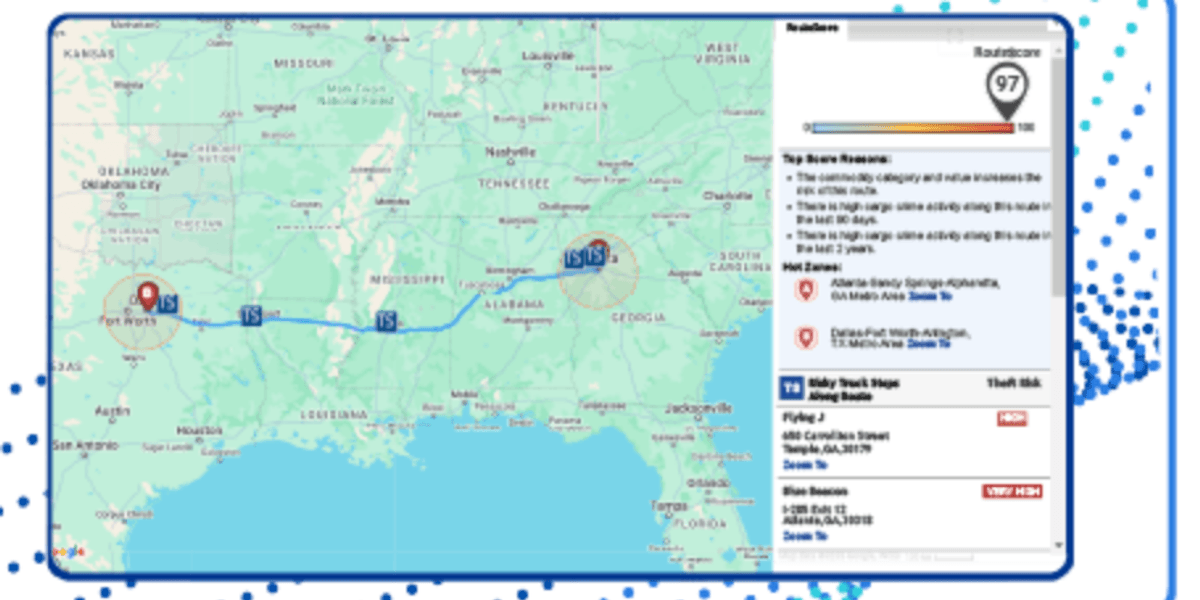
Why now? The report points to a ‘deeper shift’ driven by new federal licensing rules. Loosely regulated spaces breed opportunity for bad actors, and the trucking industry, unfortunately, is no exception. As produce season ramps up, expect even more high-value commodities like meat, seafood, and electronics to move through already theft-prone corridors. This is a perfect storm brewing.
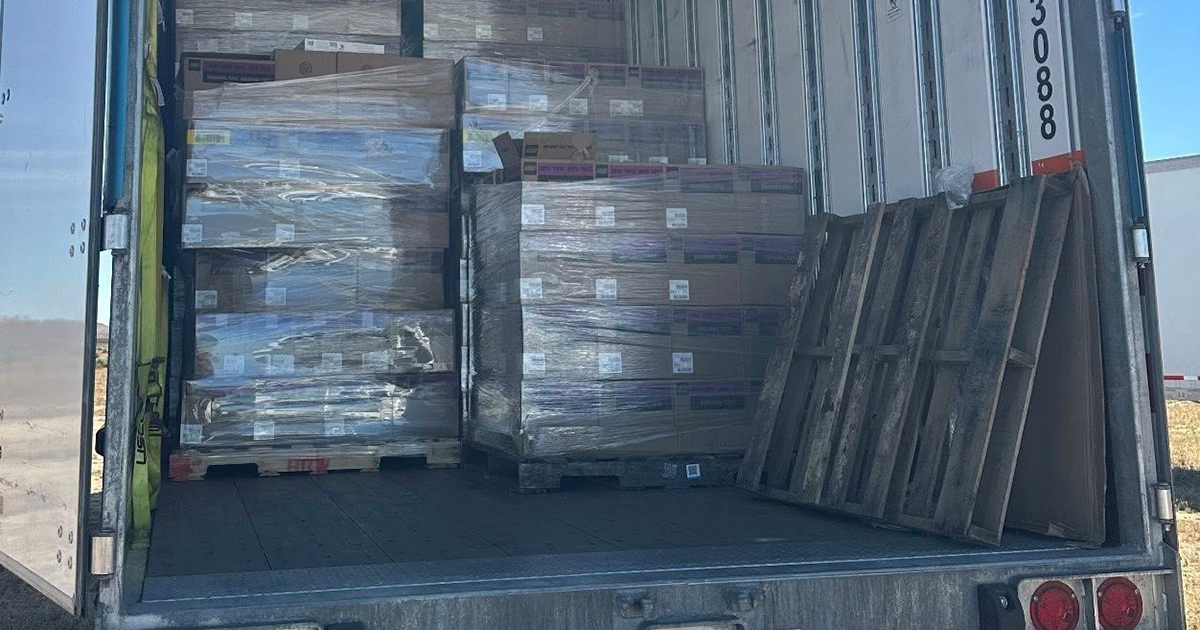
And it’s not just industry reports making noise. Mainstream media is taking notice. 60 Minutes, a program that typically dissects political intrigue or societal ills, recently aired not one, but two segments on freight fraud and cargo theft within six months. Their investigation into ‘chameleon carriers’ — foreign-owned fleets that morph identities after racking up safety violations — highlights the real-world dangers. These aren’t just stolen goods; these are potentially unsafe operations posing a risk to everyone on the road.
“Tonight, the results of an eight-month investigation into a dangerous scheme many Americans have never heard of. A scheme that may be putting all of us at risk on the road.”
This isn’t just about a truckload of tequila disappearing, as they also reported. It’s about a systemic breakdown that threatens to undermine trust and safety across the logistics network. Even Congress is finally waking up, with the House overwhelmingly passing the bipartisan Combating Organized Retail Crime (CORCA) Act. This bill aims to strengthen federal enforcement against organized crime impacting supply chains, making it easier to prosecute based on aggregate theft values and leveraging money laundering statutes.
The ‘Chameleon Carrier’ Threat: A Deeper Dive
These chameleon carriers, as highlighted by 60 Minutes, represent a particularly insidious form of freight fraud. They’re not just looking to steal a single shipment. Their model is designed for systemic evasion. By registering new entities with alarming frequency, often facilitated by shell companies or international ownership structures, they can operate with impunity, accumulating violations and debts before simply vanishing and reappearing under a new guise. The complexity of tracking these entities across jurisdictions, coupled with the administrative burden on regulators, creates a fertile ground for their operations. The surge in change-of-ownership reports is a direct symptom of this tactic, as fraudsters exploit the system to legitimize their stolen identities.
Is This Just a Trucking Problem?
While the 60 Minutes segments and much of the freight fraud focus are on trucking, the problem permeates the entire supply chain. The initial point of cargo theft might be a truck stop, but the stolen goods are then often funneled through illicit marketplaces, impacting retail inventory, manufacturer margins, and ultimately, consumer prices. The digital vectorsHighway mentions—phishing attempts, spoofed emails, and fake broker accounts—show that the attack surface extends to anyone interacting with the logistics ecosystem. Shippers, carriers, and brokers alike are targets. This isn’t isolated; it’s a network-wide vulnerability.
The CORCA Act is a step, a significant one, but it relies on enforcement and effective implementation. The real question remains: Are businesses taking this seriously enough? For years, the problem has simmered, often treated as an unfortunate cost of doing business. Now, with explicit federal attention and clear indicators of escalating criminal activity, complacency is no longer an option. The data is irrefutable: freight fraud isn’t just a nuisance; it’s a rapidly growing threat to the integrity and efficiency of our supply chains.
🧬 Related Insights
- Read more: Warehouse Robotics Guide: Types, Vendors, and ROI Analysis
- Read more: Ceva Logistics Talent Exodus Continues Despite Saadé’s Efforts
Frequently Asked Questions
What exactly is freight fraud?
Freight fraud encompasses a range of illicit activities aimed at defrauding parties involved in the transportation of goods. This can include cargo theft, misrepresentation of identity (like chameleon carriers), double-brokering schemes, and phishing attacks designed to steal credentials or payments.
Will the CORCA Act stop freight fraud?
The Combating Organized Retail Crime (CORCA) Act aims to strengthen federal enforcement against organized crime in supply chains, which includes freight fraud. While it’s a significant legislative step, its effectiveness will depend on strong implementation, inter-agency cooperation, and sustained resources for enforcement.
How can I protect my business from freight fraud?
Key measures include thorough vetting of carriers and brokers, using trusted platforms, implementing multi-factor authentication for digital communications, monitoring for suspicious activity (like unusual payment requests or identity changes), and staying informed about emerging fraud tactics.