The hum of server farms. That’s the sound that’s propping up Cummins right now, and it’s a noise that’s significantly louder than the sputtering engines of North American heavy-duty trucks. In its first quarter report, the engine and power solutions behemoth announced it had nudged up its revenue growth forecast for 2026 to a strong 8% to 11%, a clear signal that the company’s internal compass is pointing north, despite some decidedly southward trends in its traditional markets.
This upward revision comes on the back of a mixed Q1. Net income clocked in at $654 million, a dip from the $824 million reported a year prior, on revenues of $8.4 billion, a modest 3% increase from $8.2 billion. Wall Street had penciled in higher earnings per share ($5.60 vs. Cummins’ $4.71) but was narrowly off on revenue. The story here isn’t just about hitting or missing analyst targets, though; it’s about the stark divergence within Cummins’ own portfolio.
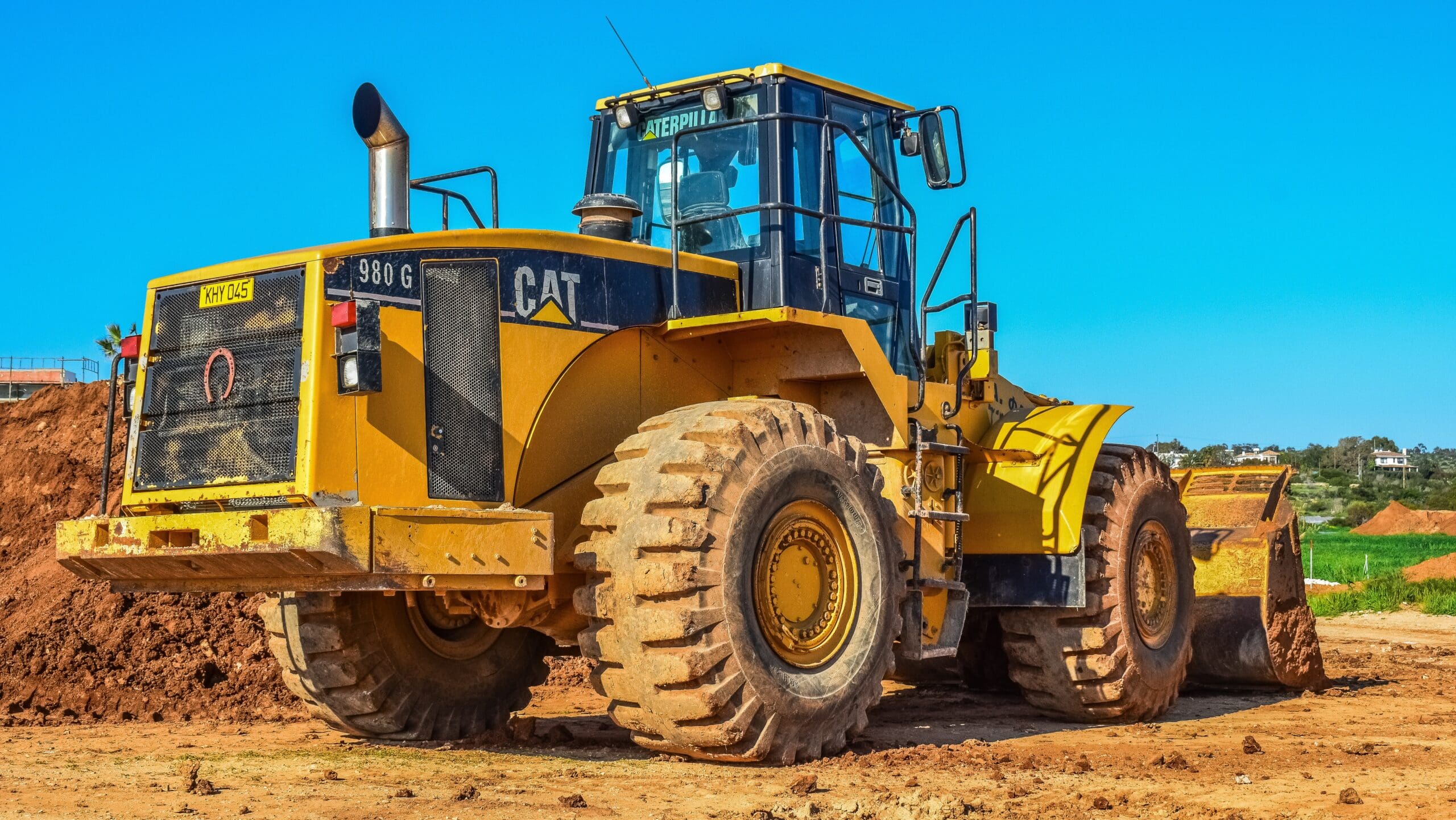
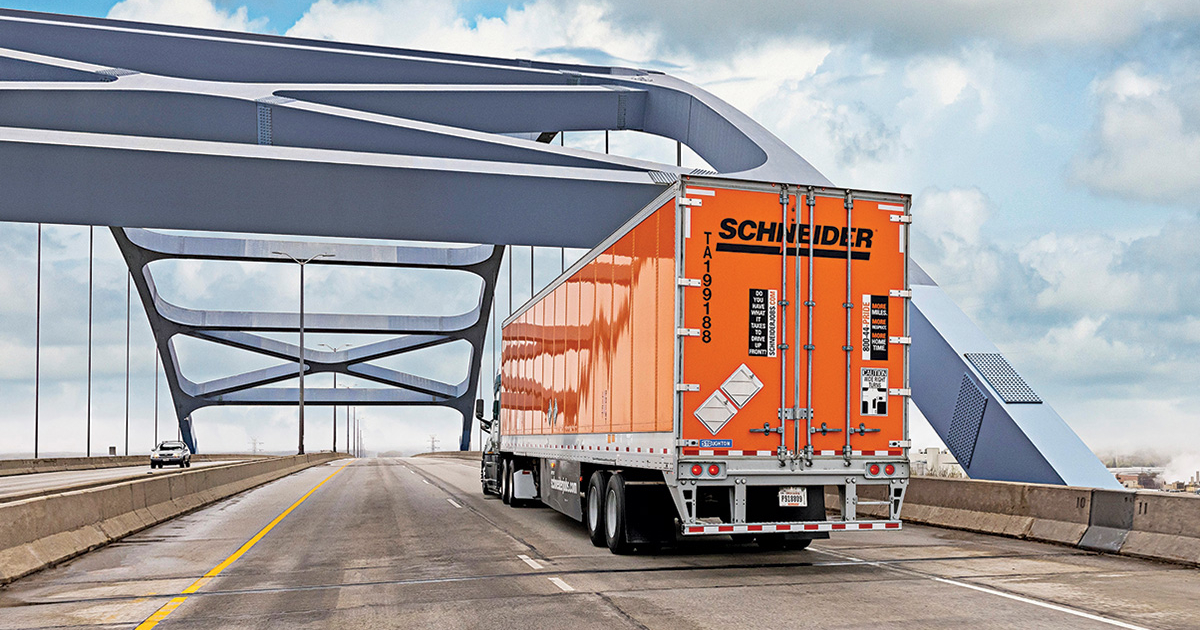
Here’s the kicker: Power Systems revenue surged a whopping 19%. Why? Data centers. These digital cathedrals, insatiable in their thirst for power, are apparently keeping Cummins’ generators spinning at full tilt. Contrast that with North America’s heavy- and medium-duty truck volumes, which took a 20% nosedive. It’s a tale of two markets, and right now, the ones humming with electricity are singing a much sweeter tune than the ones rumbling on asphalt.
“Growth was driven primarily by higher demand in power-generation markets, particularly from data centers. This increase was partially offset by weaker North America heavy- and medium-duty truck demand, with unit volumes down 20% from a year ago.” – Jennifer Rumsey, CEO, Cummins
CEO Jennifer Rumsey was effusive, naturally, pointing to the power generation boom as the primary engine of growth. She also threw in the sale of its low-pressure fuel cell business for a cool $199 million net charge, a move that, while impacting profitability this quarter, apparently left the underlying EBITDA relatively stable when accounted for. It’s an interesting maneuver – shedding a relatively nascent technology to focus on—well, whatever makes the immediate dollars sing louder.
The Shifting Sands of Demand
This isn’t just a quarterly blip; it hints at a deeper architectural shift. For decades, Cummins’ identity has been inextricably linked to the open road, to the diesel heart of haulage. But the global appetite for digital infrastructure, the ceaseless demand from cloud computing and AI, is creating a new kind of power demand. Data centers aren’t just consumers; they’re often the backbone of critical operations, demanding reliable, high-output power solutions that Cummins is well-positioned to provide.
So, what does this mean for the future? Is Cummins strategically pivoting away from its trucking roots? Not entirely. The company is still integrating its X10 engine into Mack Granite chassis and anticipates some pre-buy activity ahead of 2027 emissions regulations. But the message is clear: diversify or get left behind. The company’s raised outlook suggests a conviction that the power systems segment isn’t just a temporary bright spot but a sustainable growth engine.
Beyond the Diesel Engine
It’s easy to get lost in the financial metrics – the percentages, the dollar figures. But the real story here is about resilience and adaptation. Cummins, a company synonymous with the brute force of internal combustion, is finding its stride in a more ethereal domain: powering the digital age. This isn’t just a change in product mix; it’s a fundamental rethinking of where future value lies. It’s the corporate equivalent of a seasoned mechanic who’s suddenly mastering quantum computing. Strange, perhaps, but undeniably lucrative.
Here’s a breakdown by segment:
Engine: Down 4% to $2.7 billion. Components: Down 5% to $2.5 billion. Distribution: Up 7% to $3.1 billion. Power Systems: Up 19% to $2 billion. Accelera: Down 2% to $101 million.
The divergence is stark. The engine and component divisions, the traditional breadwinners tied to vehicle manufacturing, are contracting. Distribution is holding steady, a proof to the aftermarket’s enduring importance. But it’s Power Systems, up nearly a fifth, that’s carrying the weight, pulling the company’s overall outlook skyward. This isn’t just about riding out a cyclical downturn in one sector; it’s about capitalizing on secular growth trends elsewhere. Cummins’ ability to pivot, to redeploy its engineering prowess from the exhaust pipe to the server rack, is what truly warrants attention.
**
🧬 Related Insights
- Read more: Transpacific Rates Jump as War Spooks Shippers: Who’s Cashing In?
- Read more: Estonia’s Verge TS Pro: World’s First Solid-State Battery Motorcycle Ships Q1 2026
Frequently Asked Questions**
What does Cummins actually do? Cummins designs, manufactures, and distributes engines, filtration, and power generation systems. While historically known for diesel engines, they’ve expanded into power solutions for data centers and other industries.
Will weaker truck volumes impact Cummins long-term? While North American truck volumes are currently down, Cummins’ diversified strategy, particularly its strong performance in power generation for data centers, aims to mitigate this impact. They also anticipate some truck demand ahead of 2027 emissions regulations.
Is Cummins investing in electric or alternative powertrains? The company is active in developing and deploying hybrid-electric solutions, as seen with their mining haul truck. They’ve also sold off their low-pressure fuel cell business, suggesting a strategic focus rather than a broad embrace of all new technologies.