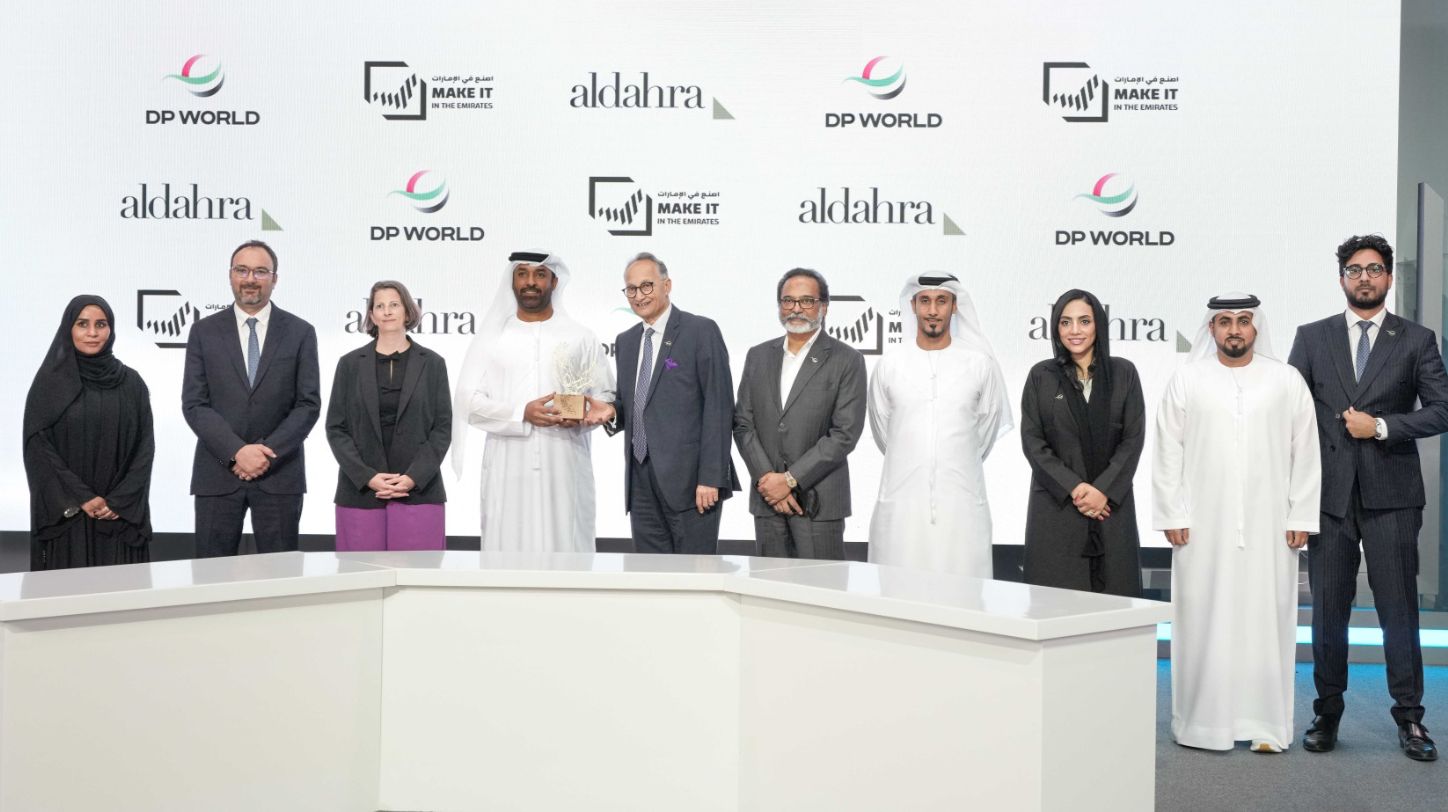
Here’s the thing: DP World, the global port operator that practically invented the modern container ship experience (okay, maybe not, but they’re big), has signed a Memorandum of Understanding with Al Dahra Holding, a multinational agribusiness outfit. Their mission? To turbocharge agri-logistics across the GCC and, you know, the rest of the planet. Because apparently, moving lettuce and lentils around is just so last decade.
This little pact sets the stage for collaboration on what they’re calling “end-to-end supply chain solutions.” Fancy words for making sure food gets from Point A to Point B without going spectacularly wrong. Considering the UAE imports a staggering 85–90% of its food, this isn’t just about efficiency; it’s a blatant play for food security and building supply chains that can withstand, say, a global pandemic or a really aggressive flock of seagulls.
What does this actually mean? We’re talking dedicated port infrastructure for food imports, storage facilities that probably cost more than my house, processing hubs, and, naturally, cold chain solutions for anything that spoils if you look at it funny. Think fresh produce wilting on a tarmac somewhere. Nobody wants that.
Why All the Fuss About Food Logistics?
The UAE’s reliance on imported food is a ticking clock. This partnership is ostensibly designed to build resilience, but let’s be honest, it’s also about seizing a lucrative market. They’ll be exploring joint investments in logistics facilities, free zones, and agri-food processing hubs – mainly in Abu Dhabi and the broader GCC. It smells like a strategic land grab, disguised in high-minded talk of regional stability.
And because no modern deal is complete without a digital sheen, they’ll also be looking at tech-driven solutions. Digital platforms, traceability systems, smart logistics tools – you know, the usual buzzwords that make corporate announcements sound exciting. The goal, they claim, is enhanced efficiency, transparency, and resilience. We’ll see.
DP World group CEO, Yuvraj Narayan, chimed in with the obligatory corporate platitudes: “This collaboration reflects DP World’s commitment to enabling resilient and sustainable global supply chains. By combining our logistics capabilities with Al Dahra’s agribusiness expertise, we aim to deliver innovative solutions that support food security and economic growth across the region and beyond.” Translation: We have ships and warehouses, they have farms. Let’s make some money and tell everyone it’s for the greater good.
By combining our logistics capabilities with Al Dahra’s agribusiness expertise, we aim to deliver innovative solutions that support food security and economic growth across the region and beyond.
Is This Just Another MOU?
History is littered with MOUs that promised the moon and delivered… well, a slightly more organized filing cabinet. The real test isn’t the ink on the paper; it’s the execution. Can DP World, primarily known for moving containers filled with everything but fresh avocados, actually get into the nitty-gritty of perishable goods logistics? And can Al Dahra, an agribusiness giant, navigate the complex world of global port operations and customs?
This partnership could very well be the start of something significant, creating a more strong food supply chain for a region heavily reliant on imports. Or, it could be another well-intentioned but ultimately forgettable corporate handshake. My money’s on a bit of both. The sheer scale of the ambition – end-to-end solutions from farm to fork, potentially – is impressive, if also a little terrifying given the stakes. It’s a high-wire act for food security, and the tightrope is made of fresh produce.
The true test will be whether this collaboration translates into tangible improvements in food availability, affordability, and reduced waste. If they can pull it off, it’s not just good for business; it’s a win for millions of people. If not, it’s just another piece of corporate jargon gathering dust.