Walmart, the undisputed king of retail, has decided it’s not enough to just sell stuff. Now, they’re getting into the business of shipping it. Yes, Walmart is launching a Less-Than-Truckload (LTL) inbound supplier logistics service. This isn’t just a little tweak to their operations; this is them planting a flag squarely in the territory of logistics providers.
This news, buried as it was in an obscure paywalled snippet, landed with a thud. It’s hardly a headline-grabbing announcement for the average consumer, but for anyone in the supply chain trenches, it’s significant. It’s Walmart, a company with its own massive fleet and distribution network, deciding to offer its infrastructure and expertise to its own suppliers, and potentially beyond. Think about it: they’re essentially saying, ‘We can do this better, cheaper, or at least more conveniently for our partners.’
Is This Just About Walmart’s Own Suppliers?
On the surface, this new service aims to streamline how Walmart’s suppliers get their goods into the retailer’s vast network. It’s about reducing costs, improving visibility, and cutting down on those awkward moments where a delivery slot is missed because someone wasn’t paying attention. For suppliers who already deal with Walmart, this could be a godsend. It simplifies a complex part of the process, allowing them to focus on what they do best – making products.
But let’s not be naive. Walmart isn’t doing this out of the sheer goodness of its corporate heart. This is a strategic play. By controlling more of the inbound logistics, Walmart gains unprecedented visibility and use. They can optimize routes, consolidate shipments, and potentially squeeze out inefficiencies that might have been creeping in. It’s about tightening their grip on the entire value chain, from manufacturer to your shopping cart.
“The launch of this LTL service signifies Walmart’s deepening commitment to operational excellence and its drive to create a more integrated and efficient supply chain for its partners.”
That’s the corporate spin. It sounds nice, doesn’t it? Efficient. Integrated. But what it really means is more data, more control, and more power for Walmart. They’re turning their logistics arm into a profit center, or at least a cost-saving one of monumental proportions.
The Road Ahead: A New Logistics Titan?
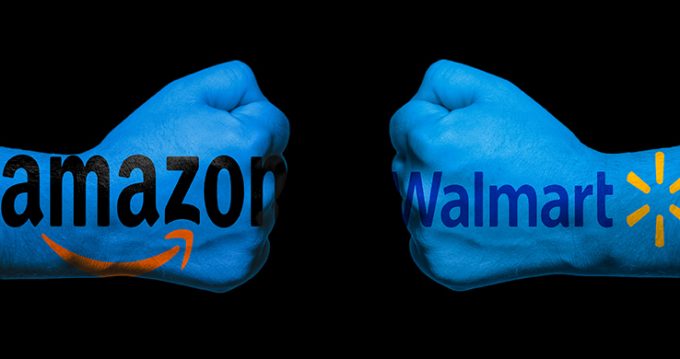
This isn’t the first time a giant retailer has eyed the logistics space. Amazon, of course, has been building its own formidable logistics empire for years, offering everything from fulfillment to last-mile delivery. Walmart’s move here feels like a response, a counter-punch in the ongoing battle for supply chain dominance. They’re leveraging their scale – an asset that’s hard for any competitor to replicate.
The question is, how far will they go? Will this remain an internal-facing service for their direct suppliers? Or will Walmart, eventually, open this up more broadly to other businesses, much like UPS or FedEx? The infrastructure is there. The know-how, honed over decades of managing millions of tons of goods, is certainly present. It wouldn’t be the biggest leap, and frankly, it seems inevitable.
Think about the historical parallel: railroads were built for a company’s own needs, then became common carriers. Trucking companies, born out of necessity, grew into giants. Walmart’s LTL service could be the next iteration of this phenomenon. They’re starting with a specific need – inbound for their own goods – but the potential for expansion is enormous.
Supply chain visibility is the holy grail for so many companies, and by managing this piece of the puzzle, Walmart gets a front-row seat. They know what’s coming, when it’s coming, and how much of it there is. This data is gold, allowing them to fine-tune inventory, optimize store stocking, and anticipate demand with uncanny accuracy.
This move also puts pressure on existing LTL carriers. While Walmart is unlikely to replace the entire industry overnight, they can certainly cherry-pick the most profitable lanes and customers. It’s a classic disruption strategy: use your massive scale and captive audience to undercut established players and gradually expand your reach.
What Does This Mean for You?
For suppliers, it means a potential new avenue for getting goods into Walmart, likely with better tracking and possibly lower costs. For logistics providers, it’s a warning shot. It suggests that the lines between retailer and logistics company are blurring further, and those who don’t innovate or find their niche will be squeezed.
For the rest of us, it’s a fascinating evolution in how commerce operates. It signals a future where the companies that control the goods also control their movement, creating a more vertically integrated – and potentially more efficient – supply chain. Or, it could lead to a monopolistic grip that stifles competition. Always a risk with these giants.
This isn’t just about Walmart making a few deliveries. It’s about a fundamental shift in how goods move, driven by the sheer, unadulterated power of a retail behemoth. Keep an eye on this one. It’s going to be interesting.