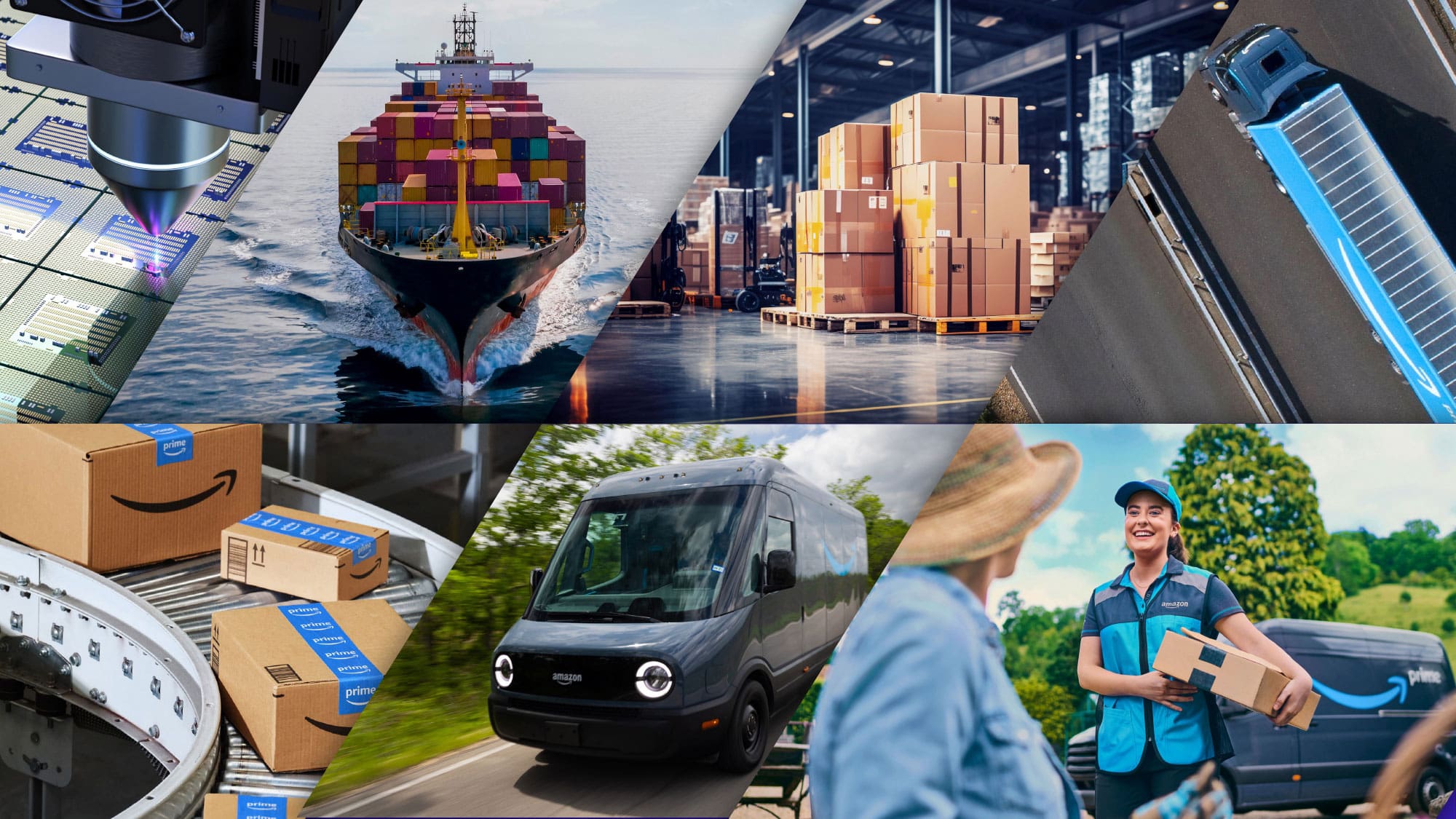
Is Amazon’s foray into opening its entire logistics network to the masses a genuine existential threat to third-party logistics providers, or just another predictable step in its relentless expansion? The pronouncements are already flying, with predictions of widespread 3PL failure ringing through the digital ether. It’s a headline that grabs attention, certainly.
The Numbers Game: Predictions and Realities
Take Brittain Ladd’s recent LinkedIn assertion: “By 2030, 20% of the 3PLs operating today will be out of business.” That’s a stark, almost apocalyptic, forecast. While dramatic, it reflects a simmering anxiety within the industry that Amazon, a company that has redefined retail and logistics time and again, is now setting its sights squarely on their turf. But let’s inject a dose of cold, hard market dynamics into this conversation. Predictions, especially those with a four-year horizon, are often as fleeting as a forgotten password.
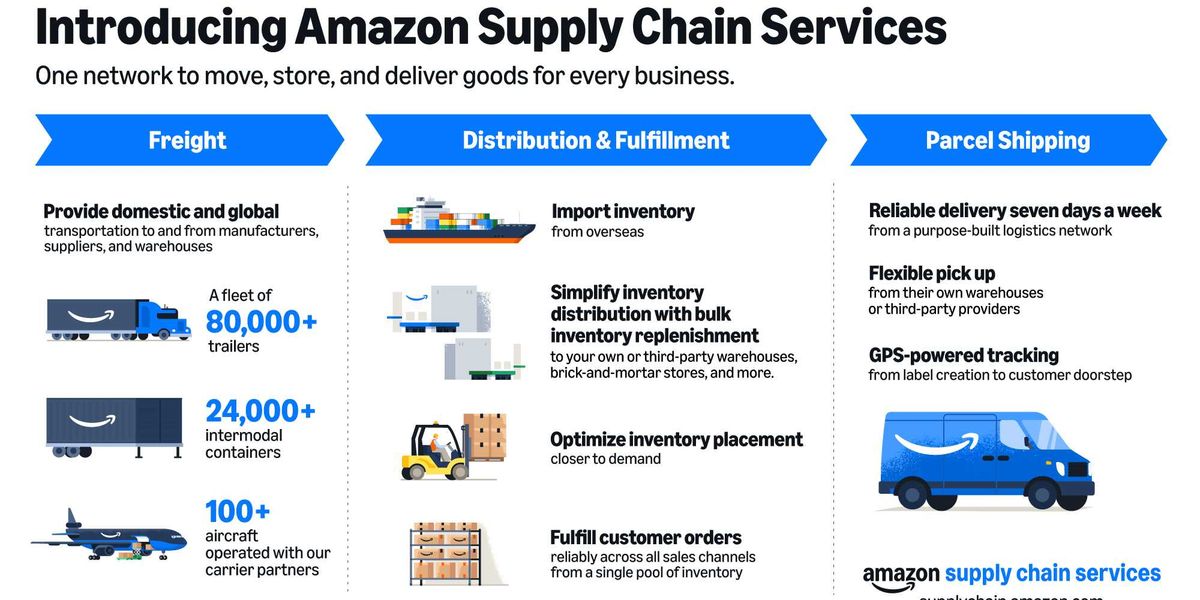
Amazon’s announcement, christened Amazon Supply Chain Services (ASCS), isn’t precisely a bolt from the blue. It’s more akin to the final brick being laid in a wall they’ve been constructing for years. As the company itself stated:
“Amazon is bringing the infrastructure, intelligence, and scale of its supply chain services — proven over decades — to businesses of all types and sizes, not only Amazon sellers. With this launch, Amazon is expanding its third-party logistics capacity to support businesses in industries such as healthcare, automotive, manufacturing, and retail.”
This isn’t a new capability; it’s a rebranding and a broader commercialization of existing infrastructure. Amazon has been offering fulfillment services to sellers on its platform since 2006. Remember the headlines from 2015 and 2016? Truck trailers, ocean shipping, Flex drivers, branded cargo jets – Amazon has been methodically building out its own end-to-end logistics capabilities, not as a side hustle, but as a fundamental pillar of its business model.
And let’s not forget the brokerage services launched in 2019, signaling a direct challenge to established freight forwarders and brokers. The writing, as they say, has been on the wall—or more accurately, on digital news feeds and industry reports—for a considerable time.
Is This Disruption, or Just Evolution?
Here’s the rub: Amazon’s scale and efficiency are undeniable. The infrastructure they’ve built to support their own gargantuan e-commerce operations is, frankly, unparalleled. The promise of extending that same “cost efficiency, reliability, and speed” to other businesses is alluring. Think about it: access to Amazon’s vast fulfillment centers, its sophisticated transportation network, and its data-driven optimization algorithms—all packaged and offered as a service. For many smaller to medium-sized businesses, this could represent a significant leap in their supply chain capabilities, a capability they previously couldn’t afford or replicate independently.
But to declare the imminent demise of 20% of 3PLs might be overstating the case, or perhaps missing the nuanced reality of the market. The 3PL landscape isn’t monolithic. There are behemoths with global reach, specialized niche players, and regional providers. Many of these companies offer services far beyond mere warehousing and delivery – they provide consulting, complex integration, reverse logistics, and specialized handling for industries with unique regulatory requirements or product needs. Can Amazon, even with its vast resources, replicate that level of tailored service across the board, especially for industries like pharmaceuticals or highly regulated manufacturing? It’s a legitimate question.
My own historical research into Amazon’s moves—like their early operational presence within P&G warehouses back in 2013—shows a consistent pattern of integration and control. This isn’t an overnight sensation; it’s a strategic, decades-long play.
“Supply chain wasn’t just a function at Amazon — it was core to providing an exceptional shopping experience. Our differentiator. The reason we could offer fast, dependable delivery that nobody else could.”
That quote from Peter Larsen, VP of Amazon Supply Chain Services, is the key. Their supply chain is their differentiator. Opening it up commercially is less about charity and more about monetizing an asset that’s already running at peak capacity, filling the gaps, and generating revenue from idle resources. This is capitalism, pure and simple.
The Autonomous and AI Angles
Beyond the logistics network itself, the news also highlighted advancements in autonomous trucking and AI. Volvo and Aurora are piloting autonomous truck routes, a development that, while still in its nascent stages, signals a future where freight movement could be significantly cheaper and more consistent. Simultaneously, SAP’s acquisition of Prior Labs to bolster its AI capabilities and IBM’s introduction of “Bob,