Rules, Meet Reality.
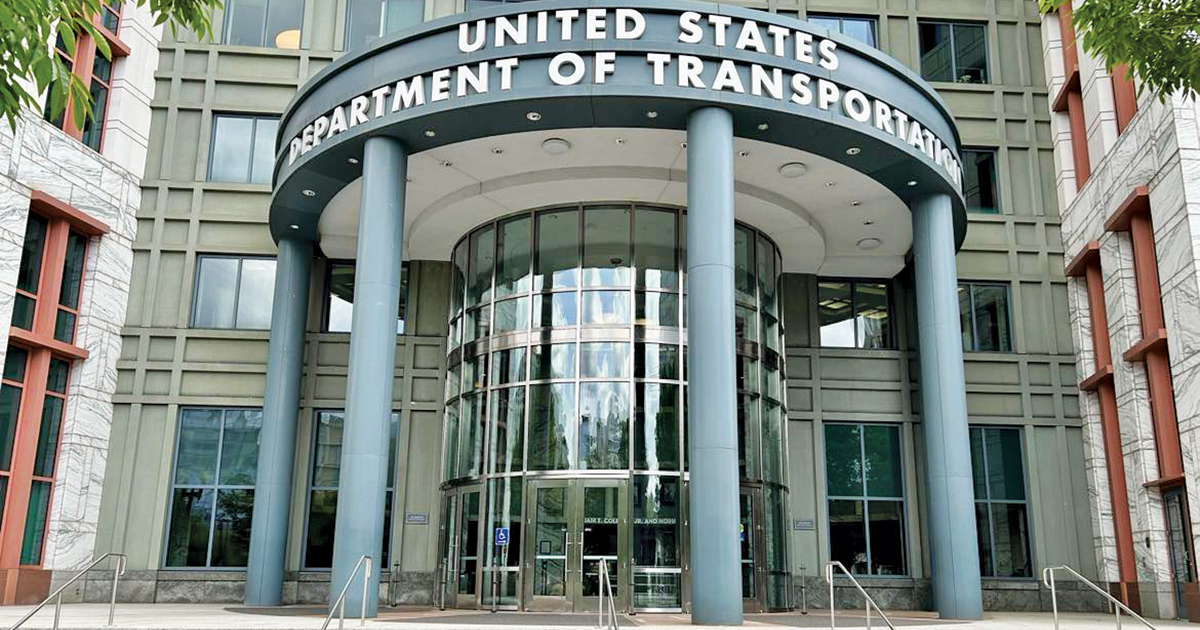
The Federal Motor Carrier Safety Administration (FMCSA) finally has a regulator who shows up — and the freight market is responding. This isn’t the usual regulatory dance of new directives and task forces that, frankly, often just add to the paperwork pile. This is about boots on the ground, enforcement, and a tangible shift that’s making actual waves.
For years, the trucking industry has navigated a complex web of regulations, often feeling like rules were made in a vacuum by people who’d never spent a day behind the wheel. The prevailing wisdom, at least for a while, seemed to lean towards self-certification and a more laissez-faire approach. But that era appears to be grinding to a halt. The FMCSA, under Administrator Derek Barrs, is making it clear: the rules on the books are there for a reason, and they will be enforced.
This isn’t about adding another layer of bureaucratic complexity. It’s about dusting off decades-old mandates and actually applying them. Barrs articulated this philosophy clearly: “If we don’t enforce the rules that we have on the books, we can add all that we want to. But if we don’t enforce the rules that we have on the books, what good are we?” It’s a simple, almost stark, statement that cuts through the usual corporate jargon. And the market’s reaction is hardly subtle. Spot rates, a key indicator of freight demand and capacity, are climbing, pushing past even their COVID-era peaks. This isn’t a coincidence; it’s a direct consequence of renewed, rigorous enforcement.
Why Does This Hands-On Approach Matter?
What’s particularly striking is the human element. Barrs is reportedly the first FMCSA administrator drivers actually recognize by name. That’s a seismic shift. It signals an administration that’s not just dictating policy from afar but actively engaging with the people who live and breathe the industry every single day. Barrs himself pointed to this direct engagement: “You have to be engaged. And when you say that you want true partnerships, you have to go where the partners are,” he stated. “Things do not happen sitting behind a desk. You have to be out walking. It’s kind of like managing by walking around, if you will.”
This philosophy extends to how the agency operates internally. Division administrators are reportedly empowered and connected within their states, understanding local nuances and actively collaborating with industry stakeholders. It’s a model reminiscent of practical, on-the-ground policing strategies – knowing your beat, knowing your people, and building trust through presence and consistent action. Barrs even drew parallels to his own past experiences, like embedding troopers in trucks and drivers in patrol cars, to foster mutual understanding. This isn’t just about compliance; it’s about building a functional ecosystem.
Furthermore, Barrs’ personal connection to the mission is palpable. He shared deeply moving anecdotes from his early career as a dispatcher and deputy, highlighting the tragic consequences of safety lapses – like the lack of seatbelt use – that these regulations are designed to prevent. This isn’t just a job for him; it’s a calling rooted in the very real human cost of industry failures. This personal conviction likely fuels the administration’s dedication to ensuring that regulations have a direct, positive impact on public safety.
Enforcement Over Innovation: A Strategic Shift?
The agency’s success metrics are telling. Reinstating enforcement of the English language proficiency standard, a rule on the books since 1937, has already sidelined thousands of drivers who couldn’t meet the basic communication requirements. This isn’t about a new technological solution or a legislative overhaul; it’s about turning existing mechanisms back on. The impact of this dormant rule’s reactivation is profoundly practical. As Barrs explained, misunderstandings during inspections – like a driver cranking the truck when asked to apply the brakes – are not just minor communication blips; they are direct safety hazards.
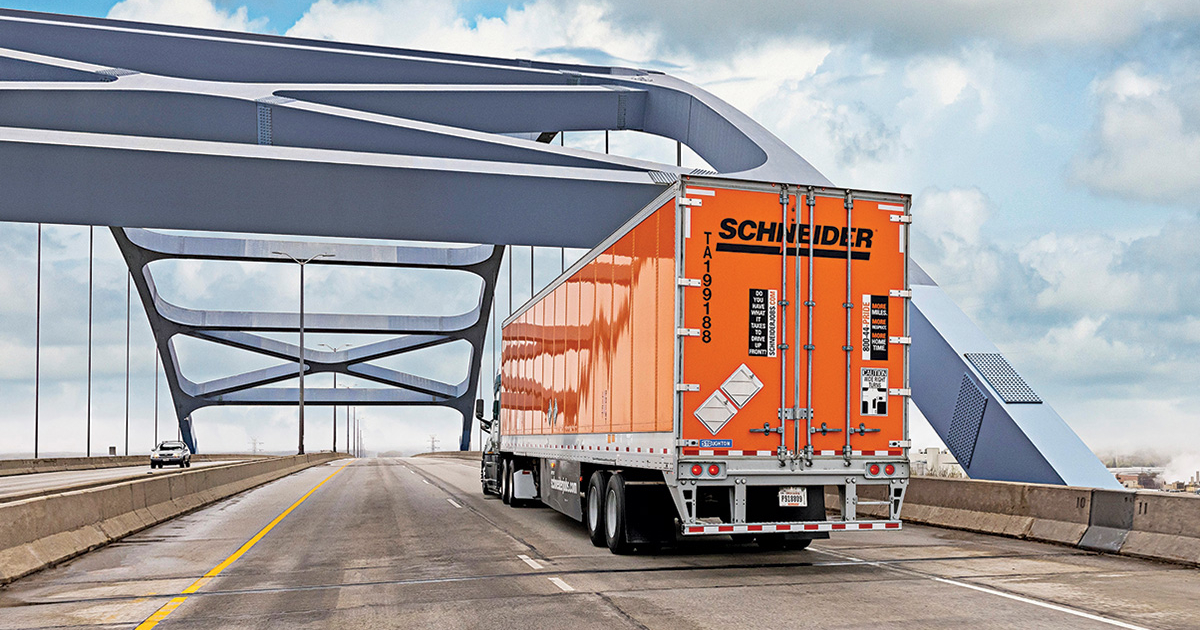
International Roadcheck week results further underscore the problem’s scale: a combined out-of-service rate around 30%, with significant violations related to brakes and hours-of-service. These aren’t abstract figures; they represent potential accidents waiting to happen. The sheer volume of roadside inspections – three and a half million annually – means the potential for consistent, impactful enforcement is enormous. The argument that the industry is too vast to regulate effectively is being systematically dismantled by a methodical, persistent approach.
This focus on enforcement, rather than a constant churn of new regulations, feels like a strategic pivot. It acknowledges that many of the problems plaguing the freight market stem not from a lack of rules, but from a lack of consistent application. By reactivating and vigorously enforcing existing safety and operational standards, the FMCSA is creating a more level playing field for compliant carriers. Those who have been playing by the rules, often at a competitive disadvantage against those who cut corners, are finally seeing a federal body that’s got their back.
My unique insight here is that this isn’t just about trucking. This is a blueprint for how regulatory bodies across various sectors, often bogged down by political inertia or industry lobbying, could regain credibility. By prioritizing visible, impactful enforcement of existing frameworks – demonstrating a commitment to the foundational rules – agencies can rebuild trust and achieve tangible outcomes, a lesson many others could learn from.
Will This Fix Everything?
Of course, this isn’t a panacea. The freight market is notoriously volatile, influenced by a myriad of global economic factors. But what’s different now is the perception of control and fairness being restored. Carriers can operate with greater confidence that their competitors are held to the same standards. This predictability is invaluable, allowing for better long-term planning and investment. The fact that the market is already responding so positively suggests that this approach is hitting a nerve – a good nerve, for once. It’s a reminder that sometimes, the most effective innovation isn’t creating something new, but simply doing the old thing, really, really well.
What keeps Barrs up at night? “Making sure that we deliver. I want to make sure that we deliver on the things that we say that we’re going to do that are number one is going to enhance safety, strengthen the market, root out the bad actors so the cream will rise to the top.” He’s not just talking the talk; he’s walking the walk, and the freight market is taking notice. The question is, can this momentum be sustained?
🧬 Related Insights
- Read more: Nansha Port: Guangzhou Unveils $2B Expansion [Analysis]
- Read more: 26% of Carriers Eye AI to Boot Freight Brokers
Frequently Asked Questions
What does the FMCSA do? The Federal Motor Carrier Safety Administration (FMCSA) is responsible for ensuring the safety of commercial motor vehicles and their operators in the United States.
How has enforcement changed under Administrator Barrs? Administrator Barrs has shifted the focus from introducing new regulations to rigorously enforcing existing rules, including those for English language proficiency and basic safety standards.
Is the freight market improving because of the FMCSA? The article suggests a correlation, with spot rates rising after the FMCSA intensified enforcement, indicating that regulatory action is having a measurable impact on market dynamics.