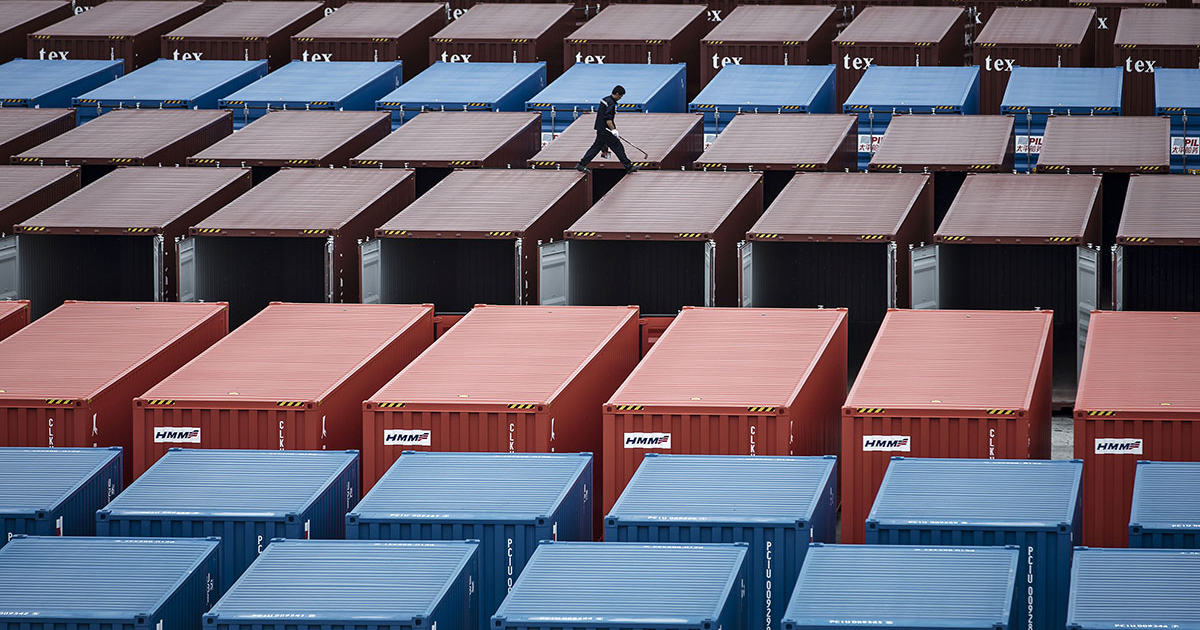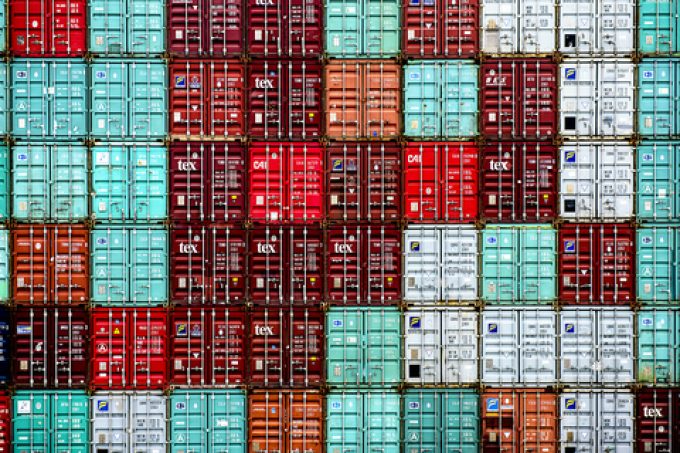
Did you ever wonder if those absurd shipping container prices during the pandemic were just… bad luck? Or was there something more sinister afoot? Turns out, Uncle Sam thinks it was the latter. The US Justice Department, in a move that’s practically ripped from a corporate espionage thriller, has accused some of China’s biggest container manufacturers – think CIMC, CXIC Group, Shanghai Universal, and Singamas – of straight-up price fixing and collusion. All this just as POTUS was trying to play nice in Beijing. Talk about timing.
The indictment, which they finally unsealed, paints a picture of a multi-year conspiracy where these giants, along with seven of their top brass, allegedly cooked up a scheme to artificially limit container production. The goal? To make shipping containers, already in sky-high demand thanks to pandemic-induced chaos, even more expensive. The US attorney for the Northern District of California, Craig Missakian, laid it out plain: “These defendants, as alleged, sought to exploit a global pandemic to increase their own profits. We will not tolerate any attempt to manipulate free markets.” Yeah, good luck with that last part in the global supply chain, pal.
And the numbers? Oof. We’re not talking nickels and dimes here. The feds claim these guys doubled container prices between 2019 and 2021, and get this — their profits went up a hundredfold. A hundredfold! Meanwhile, the rest of us were paying through the nose to move anything across the ocean. It’s the kind of profiteering that makes you want to throw your keyboard out the window. The indictment even details a clandestine agreement, apparently called the “Moon Gazing Fund Contract,” which stipulated limiting production shifts and hours, and even required installing CCTV in production lines to tattle on each other. A deposit was on the line, lost if anyone strayed from the script. High school is less dramatic.
Why Does This Matter for Shippers?
Look, this isn’t just some legal skirmish. This alleged cartel behavior directly impacted every single business that relies on moving goods globally. When container prices skyrocket, that cost trickles down, eventually landing in our pockets at the checkout counter. For companies that were paying those inflated prices, this indictment is a validation, a stern “we told you so” to the system. The feds apparently started sniffing around this back in 2020 or 2021, even blocking CIMC’s $1 billion bid for Maersk’s reefer unit because it would have essentially handed them a monopoly on insulated containers. Imagine that: 90% market share to Chinese state-owned enterprises. Yikes.
“These defendants, as alleged, sought to exploit a global pandemic to increase their own profits. We will not tolerate any attempt to manipulate free markets.”
The fallout was immediate. As soon as the indictment dropped, the stock prices for these container manufacturing behemoths took a nosedive. It’s the kind of market reaction you see when a company’s entire business model is called into question – which, in this case, it was. My own cynical take? This is less about genuine free market ideals and more about geopolitical maneuvering. The US is flexing its muscles, and if it can nail some Chinese heavyweights for shady dealings, all the better for its own trade narrative. It’s a win-win for the DOJ and a potential win for American businesses feeling the pinch.
The Ghost of Container Past
It’s easy to forget, but this isn’t the first time the shipping industry has been under the microscope for anti-competitive practices. Back in the day, you had price-fixing scandals involving shipping lines themselves, leading to hefty fines and all sorts of regulatory headaches. This feels like a modern echo of those old dramas, just with different players and a pandemic as the convenient excuse. What’s particularly galling is the timing: using a global crisis, where everyone was scrambling and vulnerable, to further enrich themselves. It’s the corporate equivalent of looting during a natural disaster.
And what about the executives named? Seven of them. One, Vick Nam Hing Ma, a former Singamas marketing director, got snagged in France and is cooling his heels waiting for extradition. The others? They’re still at large, believed to be chilling in China or Singapore. Easier to stay out of reach when you’re on the other side of the planet, I suppose. It’s a stark reminder that while we talk about supply chain visibility and resilience, the human element – and the greed that can drive it – remains a constant, destabilizing factor.
So, who’s actually making money here? The indicted companies were, supposedly, until this whole thing blew up. The US government is making a statement. And potentially, shippers who were overpaying will see some relief if these allegations hold water. But the real winners? Maybe the companies that were not part of this alleged cartel, suddenly finding themselves with a more level playing field. Or perhaps, as always, it’s the lawyers. They’re never not winning.
**
🧬 Related Insights
- Read more: LIV Golf Seeks $250M, Dumps Saudi Cash for Survival
- Read more: NextEra-Dominion Deal: Power Becomes Supply Chain Bottleneck
Frequently Asked Questions**
What are China’s major container manufacturers accused of? They’re accused of conspiring to fix prices and artificially restrict the production of shipping containers, particularly during the COVID-19 pandemic.
Will this indictment lower container shipping costs? It’s possible. If the allegations are proven and companies are fined or penalized, it could disrupt their market power and potentially lead to more competitive pricing. However, global supply chain dynamics are complex.
Are any executives facing jail time? One former executive, Vick Nam Hing Ma, has been arrested and is awaiting extradition to the US. The other six named defendants are currently at large.