The scent of opportunity—or perhaps a desperate scramble for stability—hung heavy in the air, even as whispers of executive departures at Ceva Logistics echoed through the industry.
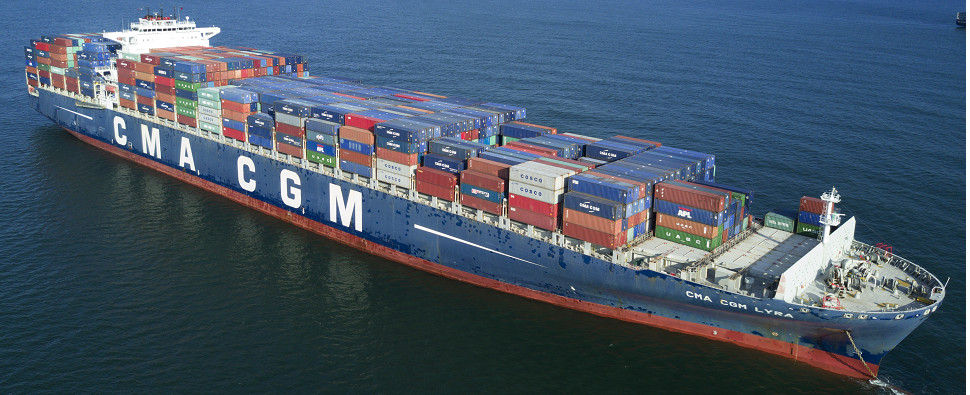
It’s early April, and we’ve circled back to Ceva Logistics, the CMA CGM-owned logistics arm, and guess what? The exodus continues. Sources close to the matter paint a picture of Rodolphe Saadé, the head honcho at CMA CGM, deploying what they call “various tricks” to staunch the bleeding of talent. But if the current churn is anything to go by, those tricks aren’t exactly working wonders.
The narrative hasn’t changed since late 2025, remember? This logistics appendix to the shipping giant, Ceva, is in a state of flux. It’s a revolving door, especially for those who came over from Bolloré. And frankly, the news from Europe last month, with key figures like Bermond and Peigné out the door, felt like a significant klaxon call for the leadership team. Yet, here we are, still talking about departures.
Is Ceva’s Talent Problem a Systemic Flaw?
This isn’t just about a few disgruntled employees packing their bags. We’re talking about a sustained pattern of high-level departures. It begs the question: is there something more fundamental at play here? Is it the integration of Bolloré’s operations? Is it a culture clash? Or is Saadé’s brand of leadership, while undoubtedly formidable in the shipping world, simply not resonating within the logistics domain Ceva operates in?
Imagine trying to build a skyscraper, but every time you place a new steel beam, another one falls out from under it. That’s what it feels like Ceva is dealing with. They’re bringing in new personnel, presumably to fill the gaps, but the continuous outflow suggests a deeper issue with retention. It’s like plugging one hole in a sieve only for another to spring open.
Why Are Shipping Lines Bidding for Terminals?
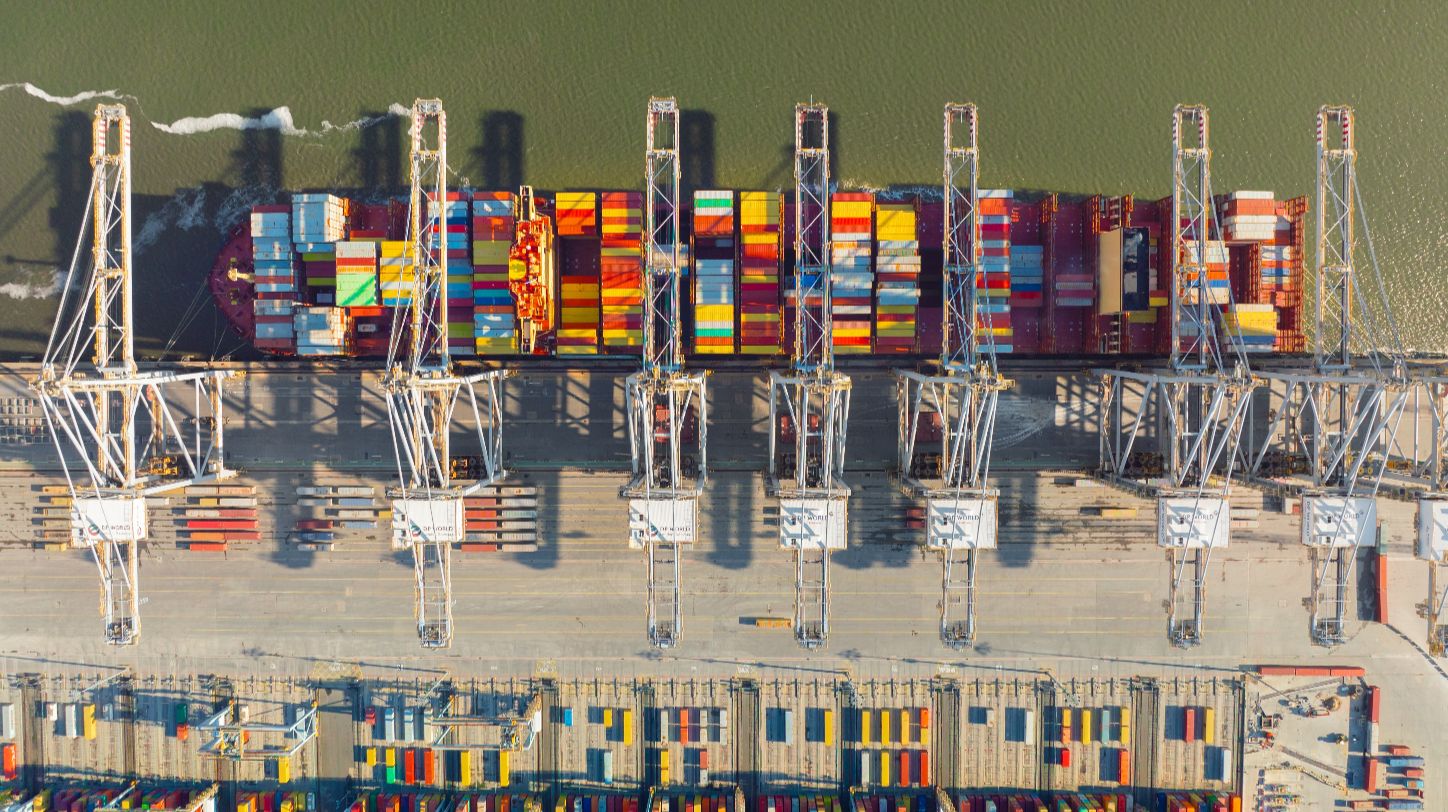
Meanwhile, on a completely different but equally fascinating front, Brazil is making waves. The Brazilian government is proposing to let container shipping lines bid for the Santos Tecon1 terminal. This is a seismic shift, folks! Traditionally, port operations and terminal management have been the domain of dedicated terminal operators, not the giants that actually move the containers. Allowing shipping lines to directly bid on and operate terminals could fundamentally reshape port dynamics, create new synergies, or, let’s be honest, spark some intense turf wars.
This move by Brazil feels like they’re looking at the supply chain and thinking, ‘How can we streamline this by cutting out intermediaries and empowering the core players?’ It’s a bold play, one that could lead to greater efficiency if managed correctly, but also one that carries significant risks. Will this foster collaboration, or will it simply consolidate power in the hands of the few dominant carriers?
The Exodus’s Ripple Effect
Back to Ceva, though. The continuous talent drain isn’t just a headline; it has tangible consequences. For clients, it can mean uncertainty, a lack of continuity in service, and the potential for disruption. For the remaining staff, it can lead to burnout, increased workloads, and a sense of instability that can corrode morale faster than salt water on a hull.
“We’re seeing experienced professionals who were integral to key operations suddenly gone, and Saadé’s attempts to plug the gaps feel like a temporary fix, not a structural solution.”
The underlying sentiment from sources isn’t one of surprise anymore, but a weary resignation. The “tricks” might be temporary bandages, but they aren’t addressing the underlying wounds. It’s a situation that, if left unchecked, could significantly hamper Ceva’s ability to compete and innovate in an already hyper-competitive logistics landscape.
This isn’t just about Ceva; it’s a canary in the coal mine for the broader logistics sector. As AI and automation promise new frontiers, the human element—the experienced talent that understands the nuances of global trade—remains absolutely vital. Losing that talent, especially at the senior level, is like trying to pilot a spaceship without its most skilled engineers. The journey ahead could get very bumpy indeed.
🧬 Related Insights
- Read more: Amazon Logistics: The Real Threat to FedEx, UPS?
- Read more: Diesel Spike and AI Mirage: The Real Supply Chain Mess of 2026
Frequently Asked Questions
What exactly is Ceva Logistics? Ceva Logistics is a global freight forwarding and contract logistics company, a subsidiary of the French shipping giant CMA CGM.
Why are people leaving Ceva Logistics? Sources suggest a continuous talent exodus, with executives departing and leadership’s efforts to retain them being described as ineffective ‘tricks’. The exact reasons for the departures are not explicitly stated but are implied to be systemic issues within the company.
What is the significance of Brazil allowing shipping lines to bid for terminals? This is a significant policy change that could alter port operations by allowing the companies that move goods to also manage the infrastructure where they are handled, potentially leading to increased efficiency or consolidation of power.