The air in the Rhenus Asia Pacific hub crackles with something more than just the hum of machinery. It’s the electricity of a fundamental platform shift, folks, and you’re seeing it unfold right now.
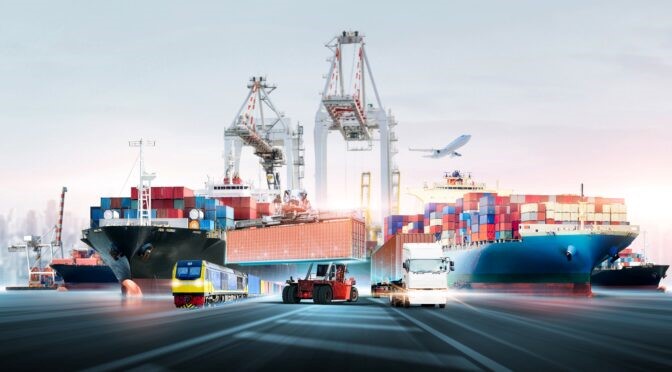
Think of it like this: for decades, global supply chains were built on massive, iron bridges. Roads, ships, planes – these were the titans, ferrying goods across continents. But AI? AI is the invisible scaffolding, the smart paint, the autonomous drone navigator that’s about to make those bridges infinitely more dynamic, more responsive, and frankly, a whole lot smarter. Rhenus Group is laying down new asphalt, sure, but they’re also installing the neural pathways that will make this network sing.
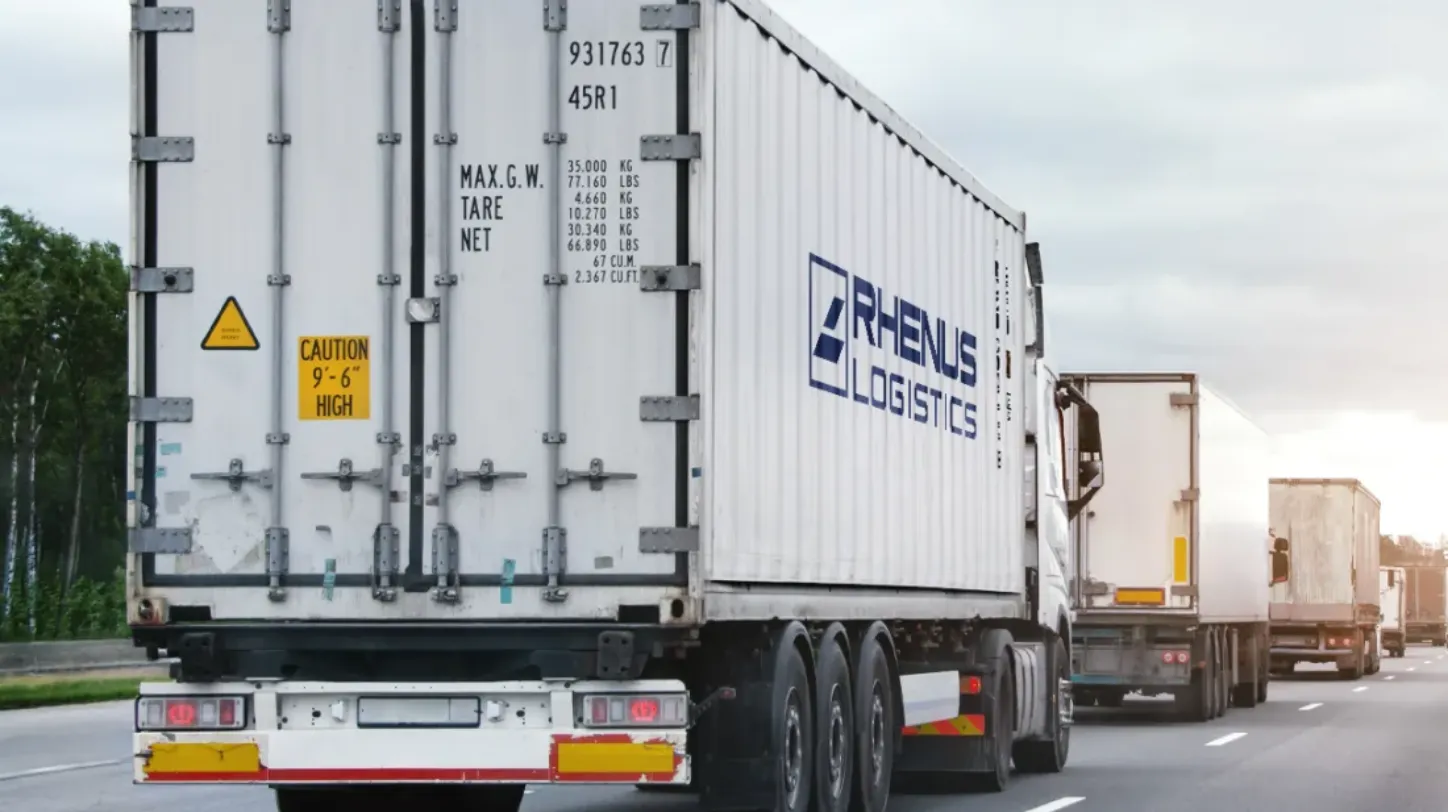
They’re talking about strengthening cross-border trucking in Southeast Asia, forging critical links between Greater China and its southern neighbors. This isn’t just about adding more trucks to the road, though that’s part of it. It’s about a symphony of integration, weaving road freight into the very fabric of air and ocean transport. They’re scaling local distribution, optimizing sourcing, and, get this, leveraging existing free trade zone warehousing. It’s like building a smart city for your cargo.
Just look at the concrete evidence: their new Bukit Kayu Hitam Border Office in Malaysia. Full customs capabilities. Smoother cross-border movements. This isn’t just a building; it’s a critical node in a digitally connected nervous system. And the 2025 expansion plan? It’s a masterclass in regional optimization, designating Kuala Lumpur for inbound European and outbound Oceania cargo, Singapore for inbound Asia/Oceania and outbound Americas, and Bangkok as the multi-modal maestro orchestrating outbound European shipments and intra-Asia trade.
The AI Orchestrator: Is it Just Hype?
Now, let’s talk about what’s really going on beneath the surface. Companies like Rhenus are incredibly smart. They’re not just expanding capacity; they’re building an infrastructure that AI can thrive in. The integration of road, air, and ocean freight isn’t just about efficiency; it’s about creating massive, clean datasets. Datasets that AI algorithms can feast on to predict bottlenecks, optimize routing in real-time, and even manage customs compliance proactively. This isn’t your dad’s logistics.
Is it a full-blown AI system dictating every move? Probably not yet. But the groundwork is being laid. Each piece of this expansion – the integrated network, the local customs offices, the strategically placed hubs – are all designed to feed into a more intelligent, more automated future. It’s like building the most incredible Lego set, knowing that the finished product will be something truly spectacular, powered by unseen forces.
Prem Anand Anandaverl, Rhenus Logistics regional director of cross border trucking Asia, gets it. He says:
Our goal is to provide a smoothly connectivity to the global network by reinforcing a comprehensive road freight service and continue to help businesses to move their goods across Asia efficiently and compliantly.
And here’s the kicker, the bit that makes my futurist heart pound: he adds, “Road Freight is playing an increasingly important role in building a resilient supply chain especially in this region.” Exactly! It’s not just about moving boxes faster; it’s about building supply chains that can bend, not break, in the face of global chaos. AI is the resilience architect.
Why Does This Matter for Your Cargo?
This expansion isn’t just a win for Rhenus; it’s a signal flare for every business that relies on moving goods across Asia. The promise here is “smoothly connectivity.” That’s a big word in the supply chain world. It means fewer delays, fewer errors, and potentially, lower costs. It means your product arriving not just on time, but with a predictability we’ve only dreamed of.
Think of the complexity involved in cross-border freight – customs regulations that change faster than fashion trends, varying road conditions, unpredictable demand spikes. AI, fueled by this kind of integrated network Rhenus is building, can cut through that complexity like a hot knife through butter. It’s the difference between a painstakingly drawn map and a real-time, self-updating GPS that reroutes you before you even hit traffic.
This is the essence of AI as a platform. It’s not just a tool; it’s a new operating system for how we do business. Rhenus is upgrading its hardware, yes, but they’re also installing the software that will define the next generation of logistics. And that, my friends, is something to be incredibly excited about.
🧬 Related Insights
- Read more: Dollar Tree Builds Big Warehouses [2026]
- Read more: Cargo Thieves Target High-Value Goods: Fewer Heists, Bigger Scores
Frequently Asked Questions
What does Rhenus’s expansion mean for smaller businesses? This expansion by Rhenus, focusing on integrated and efficient road freight, could mean more accessible and reliable logistics solutions for smaller businesses operating in or trading with the Asia Pacific region. Increased network capacity and potential for optimized routes can lead to better service levels and cost efficiencies.
Will this expansion lead to more trucks on the road? While the expansion involves strengthening road freight operations, the emphasis on integration with air and ocean freight suggests a move towards more optimized, multi-modal solutions rather than just a simple increase in road traffic. The goal is smarter movement, not necessarily just more.
Is AI really involved in this Rhenus expansion? The article suggests that the infrastructure being built by Rhenus – the integrated network, the data-rich hubs – is foundational for AI to operate effectively. While specific AI applications may not be detailed, the strategic expansion is designed to create an environment where AI can enhance efficiency, predictability, and resilience in their supply chain operations.