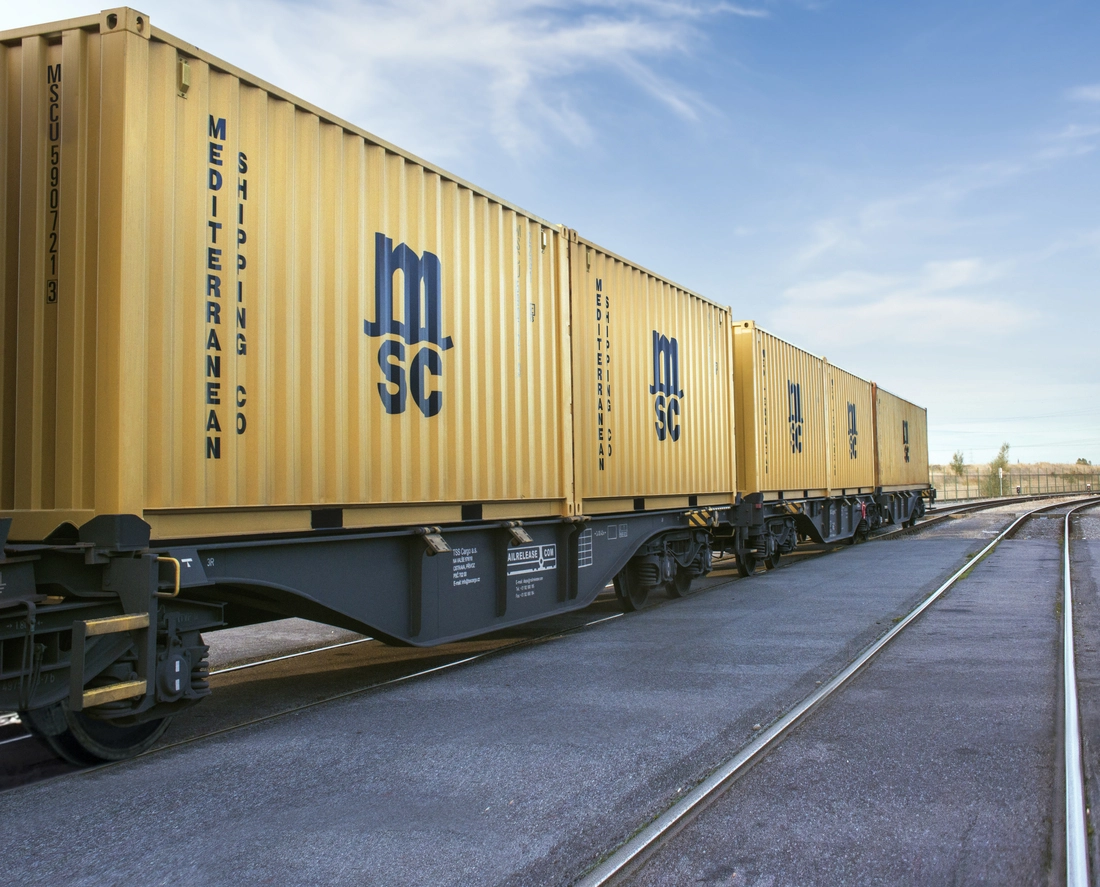
Here’s a number to chew on: 45.5%. That’s how much of the container capacity between North Europe and the Mediterranean MSC is now controlling. As of May 1st, the Geneva-based giant was deploying 360,517 TEU on this route alone. Look, Alphaliner crunched the numbers, and the takeaway is stark: MSC’s dominance here is more than double its global fleet share (which sits at a still-hefty 21.6%). This isn’t some niche corner of the market; this is a critical artery for European commerce, and one carrier is practically running the show.
It’s almost comical when you look at the top players. Alphaliner identified ten carriers doing regular runs on this trade, but guess what? Seven of them are the usual deep-sea suspects: MSC, CMA CGM, Maersk, Cosco, ONE, Zim, and Hapag-Lloyd. Together, these titans are squeezing out every other operator, controlling a jaw-dropping 97.3% of the market. The remaining 2.7%? That’s what’s left for the supposed ‘regional operators’ like Tailwind, Borchard, and Akkon Lines. It’s less a competitive landscape and more a carefully managed oligopoly.
Who’s Making the Real Dough?
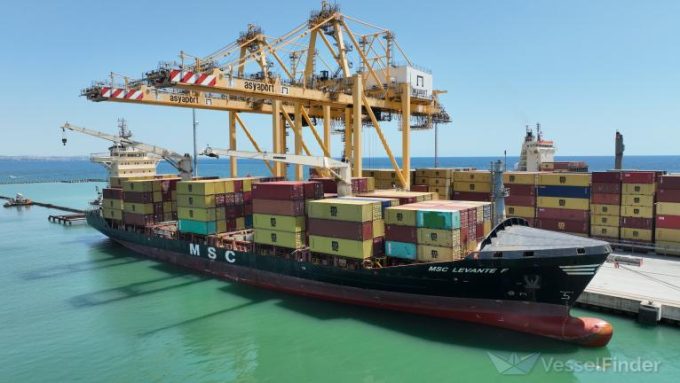
So, where’s the money flowing? MSC is obviously swimming in it on this particular trade. They’re putting over 164,000 TEU to work, and a big chunk of that—a third, to be precise—is on a single service: the North Europe-East Med Levante Express. They’re running six ships there, all in the 8,500-9,420 TEU class. Pretty big metal, but Maersk still manages to one-up them with the Columbine Maersk, a 9,600 TEU behemoth gracing their North Europe-Turkey Aegean Sea service.
But don’t count Maersk out. They’re not just playing defense. They’re beefing up their Baltic Sea operations with five vessels in the 2,800-4,950 TEU range. Once that’s fully deployed in June, Maersk’s market share on this route is projected to jump from a solid 14% to a dominant 19%. That’ll bump them past CMA CGM, too. They’re not just growing; they’re growing. The Loadstar has been reporting on this, noting Maersk’s ‘disproportionately high growth’ in both capacity and market share within Europe. It’s a direct result of their Gemini alliance with Hapag-Lloyd and that ‘hub and spoke’ system they rolled out. Last year, Maersk rocketed up five spots in the North Europe operator rankings, landing squarely in second place behind MSC. It’s a fascinating power shift, and frankly, a bit of a warning.
This isn’t just about capacity deployment; it’s about strategic positioning. Maersk’s intra-Europe market share, according to Alphaliner’s July data, leaped to 13.5% from a mere 3.7% the year before. They were the only major carrier showing significant increases in both market share and capacity. This isn’t organic growth; this is a calculated strategy by deep-sea players to gobble up regional trade. The question isn’t if they’re consolidating power, but how they’re doing it and who truly benefits beyond the carriers themselves.
Is This a Sign of Things to Come?
What does this tell us? It tells us that the big liners aren’t content with just crossing oceans. They want to own the intercontinental pie, and that includes the lucrative regional feeder routes that feed their main arteries. This consolidation is a classic move: use existing infrastructure, fleet, and alliances to gain an insurmountable advantage. For smaller regional carriers, it’s a stark reminder that scale matters, and standing still means falling behind—fast.
Look, this isn’t just a traffic report; it’s a financial forecast. When one company controls nearly half of a key trade lane, you have to ask: who’s setting the rates? Who’s dictating terms? And for those of us watching the money move, it’s clear: MSC and its deep-sea brethren are cashing in, while the regional landscape gets increasingly squeezed.
🧬 Related Insights
- Read more: DHL Express Adds 3,000kg Air Cargo Punch
- Read more: College Grads Build App Using AI: No Code Needed [2024 Analysis]
Frequently Asked Questions
What does MSC’s market share increase mean for shippers?
Increased market share for a few dominant carriers often leads to less pricing power for shippers and potentially fewer service options as smaller operators are pushed out. It can mean longer transit times if capacity is constrained or if carriers prioritize more profitable routes.
How does the Gemini alliance impact this trade lane dominance?
The Gemini alliance between Maersk and Hapag-Lloyd facilitates a ‘hub and spoke’ model, enabling them to optimize vessel deployment and increase capacity on key trade lanes, as evidenced by Maersk’s recent growth.
Will regional carriers survive this consolidation?
It’s challenging. Regional carriers will need to find niche markets, offer highly specialized services, or forge strategic partnerships to compete with the scale and resources of the major global liners that are increasingly focusing on these intra-regional trades.