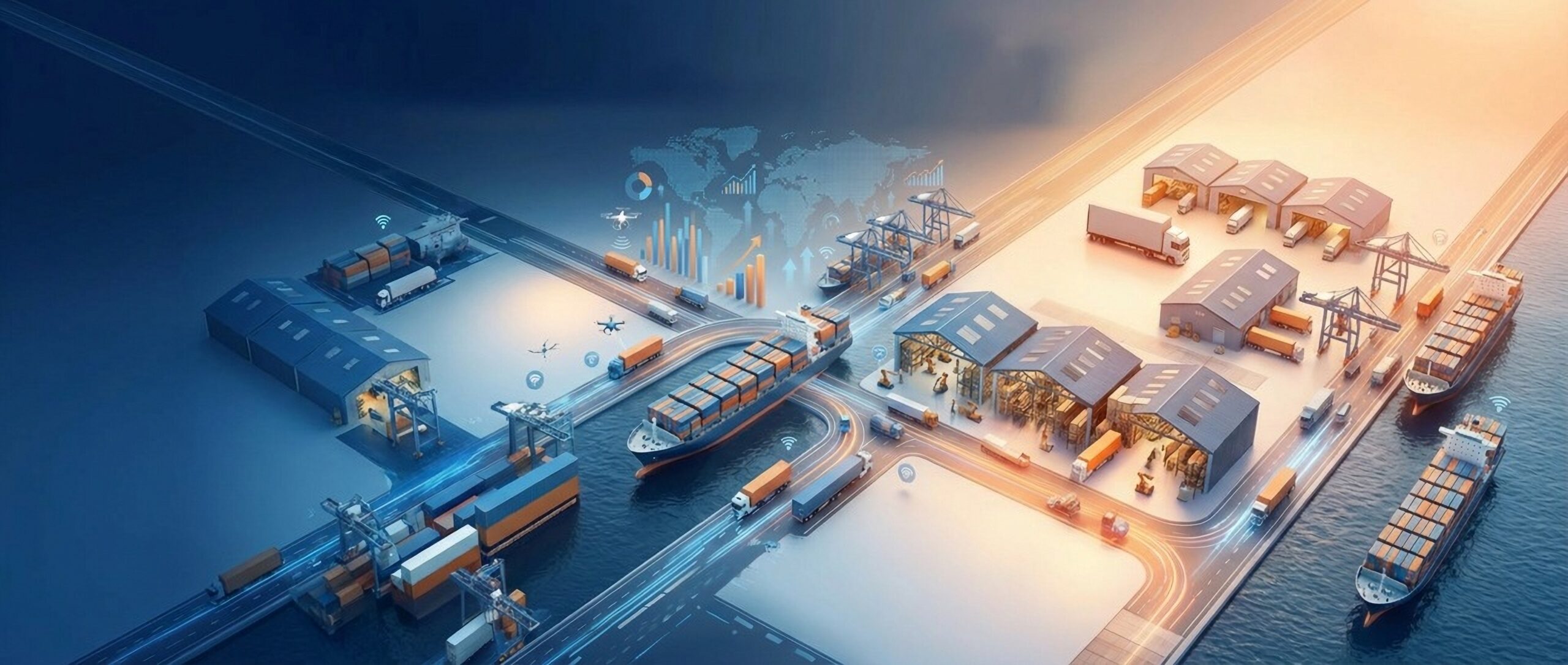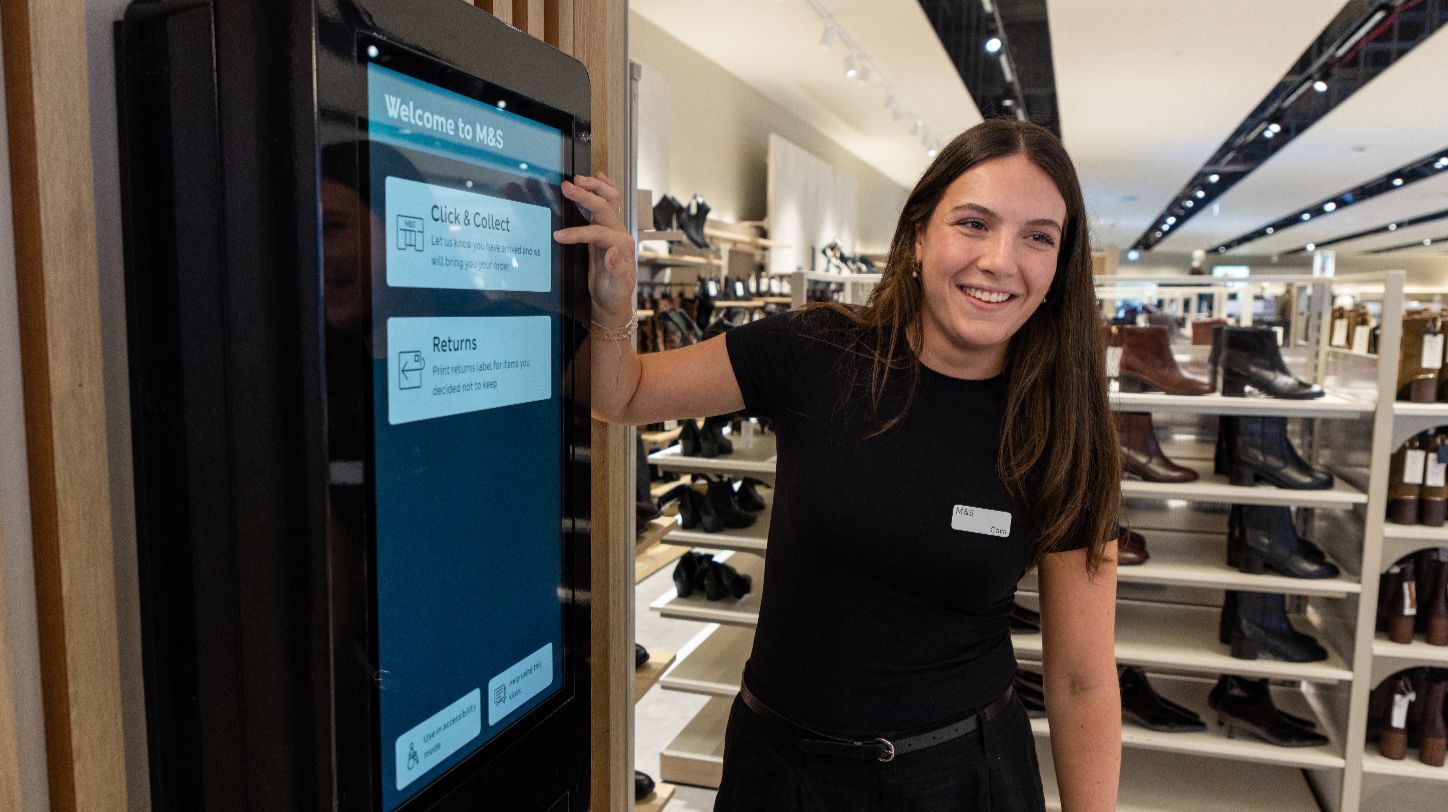
So, M&S just bought a massive, already-built, fully automated fashion distribution center. Located in Lichfield, this former ASOS site is slated to be up and running for M&S by 2027. On paper, it’s about doubling their online fashion business. They’re talking about 600 jobs, increased capacity, and getting your stuff to you faster. Sounds great, right? But let’s peel back the layers, shall we?
Here’s the thing: what does this acquisition really mean for the folks buying the sweaters and trousers? It means M&S is betting big on e-commerce, and they’re trying to catch up. For years, their online fashion game has been, let’s be generous, ‘under development.’ This acquisition signals a serious effort to finally get that part of the business humming. If it works, you might see quicker deliveries and better stock availability for M&S fashion and home goods online. If it doesn’t? Well, that’s a lot of very expensive real estate sitting idle.
Who’s Actually Making Money Here?
This is the question that always floats to the top, isn’t it? M&S is bragging about this being a ‘much lower cost compared to a new build option.’ Which, sure, is a smart financial move. Buying a pre-built, operational (or nearly operational) facility is almost always cheaper than breaking ground and building from scratch. Especially in this climate. The ‘shareholder money wisely’ line is classic corporate speak for ‘we got a good deal, and we’re not going to apologize for being fiscally prudent.’ The real money is in the increased sales this capacity is supposed to unlock. Doubling online fashion sales means a substantial revenue boost, assuming they can actually pull it off without tripping over their own feet.
“This acquisition does just that, delivering tangible business benefits that move our transformation forward, at a much lower cost compared to a new build option.”
This quote from John Lyttle, M&S’s managing director for fashion, home and beauty, perfectly encapsulates the pragmatic, cost-conscious approach. It’s not about doing something flashy; it’s about doing something smart that moves the needle.
Why Does This Matter for the Supply Chain?
Look, from a purely logistical standpoint, this is a significant play. M&S isn’t just adding square footage; they’re acquiring a fully automated facility. That’s the key. Automation in distribution centers is where the real efficiency gains are made. Think robots sorting, packing, and moving goods around the clock. This isn’t just about more space; it’s about smarter, faster processing. For the 600 people who will reportedly be employed there, it means jobs, yes, but also jobs likely involving interacting with, maintaining, and overseeing these automated systems. It’s a step towards the future of warehouse work, which isn’t necessarily about manual labor but about technological oversight.
My unique insight here? This isn’t just about M&S catching up; it’s about them potentially leapfrogging. By acquiring a modern, automated hub, they sidestep years of development and the associated risks. It’s like buying a late-model used car instead of building one from the chassis up. The potential downside? They might inherit any underlying issues from the previous operator, or the technology might not be perfectly aligned with M&S’s specific needs, requiring further customization. But the upside—getting a significant chunk of their online fulfillment strategy operational by 2027—is immense.
Is This Just More Hype?
It’s easy to get caught up in the ‘fully automated’ and ‘doubling sales’ buzz. M&S has been talking about transforming its fashion business for a while now, and frankly, the results have been mixed. Acquiring a massive distribution center is a tangible step, not just a promise. However, the real test will be execution. Can they integrate this facility smoothly into their existing network? Can they manage the increased online demand? And most importantly, will the customer notice a difference beyond slightly faster shipping times?
This move feels less like a pipe dream and more like a calculated gamble. They’re hedging their bets on e-commerce by acquiring infrastructure, rather than solely relying on building it organically. It’s a strategic buy that acknowledges the realities of the modern retail landscape. Whether it pays off is another story entirely.
🧬 Related Insights
- Read more: FedEx’s Reusable Boxes Hit the Road: From Pilot to Potential Supply Chain Overhaul
- Read more: MSC’s European Box Trade Grip Tightens: 45.5% Capacity Share
Frequently Asked Questions
What does the Lichfield distribution centre do? It’s a large, automated facility designed for handling and distributing fashion and home goods. M&S plans to use it to boost their online sales capacity.
Will this create jobs at M&S? Yes, reports suggest the centre will employ around 600 people once operational. The nature of these jobs will likely be focused on managing and interacting with automated systems.
Is this a good deal for M&S shareholders? Potentially. Acquiring an existing facility is generally less costly than building new. If it leads to the targeted doubling of online sales, it should be a significant positive. The ‘disciplined capital investment’ M&S highlights suggests a focus on return on investment.