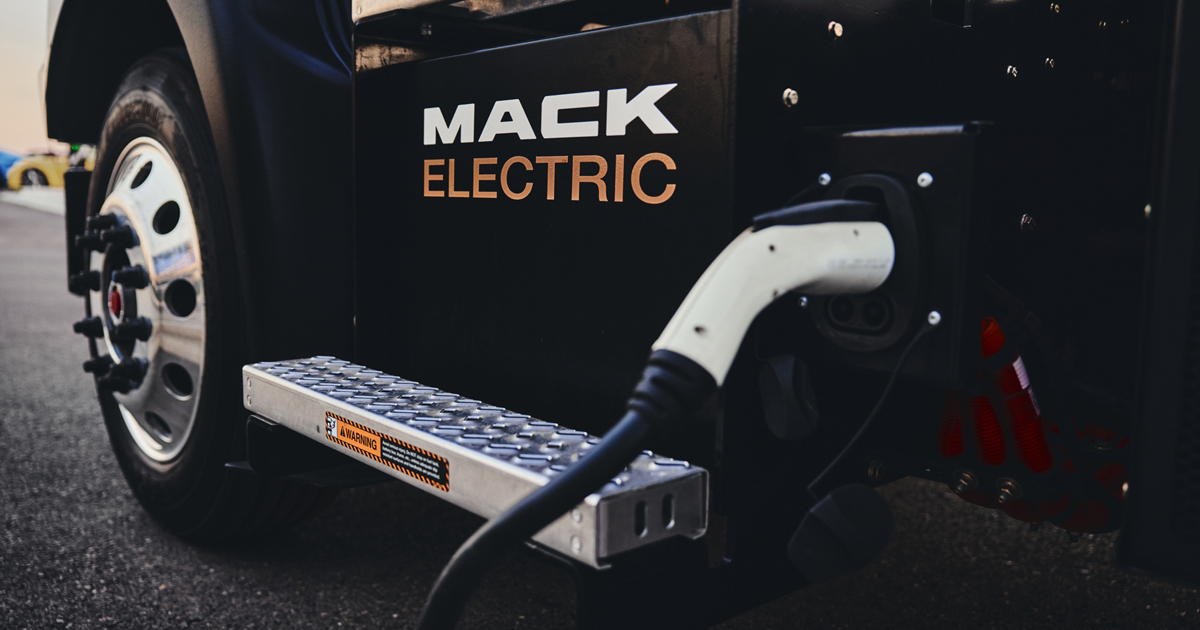
A diesel truck grinds to a halt, its driver unstrapping from the cab, already calculating the lost minutes as the charging station hums to life. That’s the reality Greenlane is trying to smooth out.
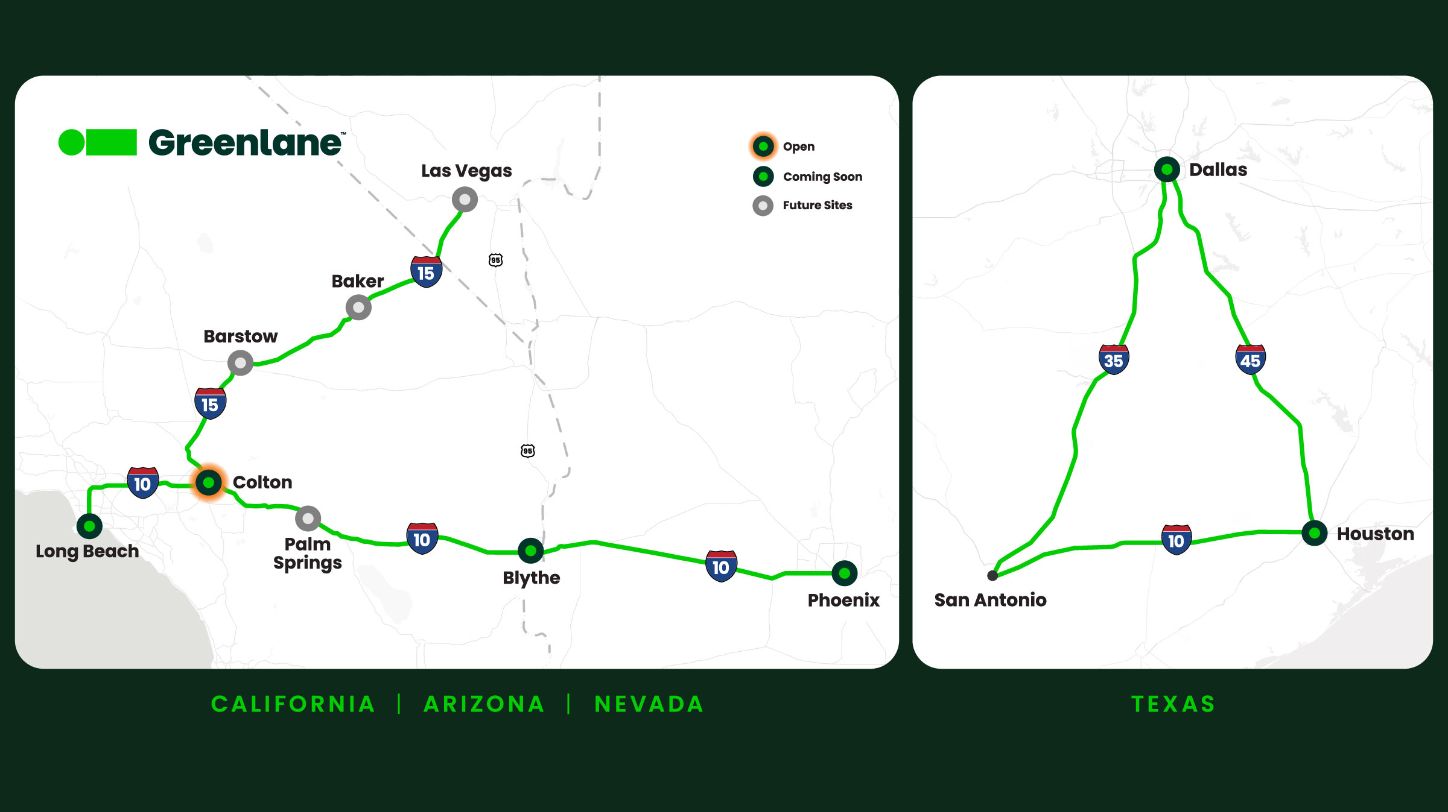
US-based Greenlane, a player in public charging and hydrogen refuelling, is now pushing its electric truck charging network into Texas. This isn’t just a minor geographic shuffle; it’s a calculated play for a freight artery that pulsates with commerce, connecting West Coast, Midwest, and international trade flows. Think Dallas and Houston, specifically along the I-45 corridor – a volume hotspot for commercial trucking.
Why Texas Now?
This strategic expansion is rooted in hard data. The Dallas-Houston corridor isn’t just busy; it’s among the nation’s highest-volume commercial trucking routes. Greenlane’s new sites are designed for this high-demand environment. They’re slated to feature 6-8 pull-through lanes, ample tractor parking, and crucially, chargers supporting both current CCS connectors and the emerging megawatt charging system (MCS) for next-gen trucks.
The real win here, for fleet operators at least, is the promise of reduced dwell time. High-power charging means electric trucks can potentially top up during standard driver rest periods. This aligns charging expectations much closer to the familiar rhythm of diesel fueling, a critical factor for maintaining operational efficiency and avoiding costly delays.
“Our customers are making commitments to electrify their fleets, and they need a charging network that can grow alongside them.”
This isn’t just about plugging in. The planned sites will also accommodate drop-and-hook relay operations and overnight stops, offering fleets the flexibility to maintain continuous freight movements along this vital corridor. It’s about building infrastructure that reflects the actual operational needs of the industry, not just a theoretical plug-in point.
Patrick Macdonald-King, Greenlane’s CEO, articulated the demand-driven approach: “This is the first leg of the Texas triangle, one of the more important freight arteries in the country, so bringing high-power charging there is the next logical step in building a network that serves how freight moves across America.” He emphasized that each site development is guided by this demand-driven strategy. It’s not speculative, it’s about meeting an existing and growing need.
The Market Dynamics at Play
Greenlane’s move isn’t occurring in a vacuum. The broader market for commercial electric vehicle (EV) charging is heating up, driven by regulatory pressures and corporate sustainability goals. Major OEMs are rolling out electric Class 8 trucks, and fleets are beginning to commit to electrification. However, the widespread adoption hinges on the availability of strong, reliable, and fast charging infrastructure, especially along long-haul routes. Greenlane’s expansion directly addresses this bottleneck.
What’s particularly interesting is the inclusion of MCS readiness. While CCS is prevalent now, MCS represents a leap forward in charging speed, capable of delivering megawatt-level power. Planning for this future-proofing now suggests Greenlane isn’t just chasing current demand but is positioning itself for the next wave of electric truck technology. This foresight is essential in a sector that demands long-term infrastructure investments.
This expansion into Texas signals a shift. California has been the natural proving ground for EV trucking, but the real test of scale and viability comes when networks can replicate their offerings in other high-density freight regions. Texas, with its central role in national and international logistics, presents a significant opportunity and a stern test for Greenlane’s operational model.
And let’s not forget the broader ecosystem. The announcement coincides with industry events like IntraLogisteX eyeing Dallas for 2026. This highlights the growing importance of the region as a logistics hub. Greenlane’s investment here is a bet on that continued growth and the increasing electrification of the commercial fleet operating within it.
The question remains: can Greenlane execute? Building out a high-power charging network is capital-intensive and logistically complex. Ensuring reliability, uptime, and smoothly integration with fleet operations will be paramount. But if they can, this expansion into Texas is a bold statement – a clear signal that the era of the electric long-haul truck is moving beyond early adoption and into the critical infrastructure phase.
🧬 Related Insights
- Read more: Supply Chain Decision Intelligence: AI’s Next Frontier?
- Read more: UPS Halts Volume Chase, Prioritizes Profit Over Package Count
Frequently Asked Questions
What is Greenlane expanding? Greenlane is expanding its nationwide public charging network specifically for commercial electric trucks.
Where is Greenlane expanding its network? They are expanding into Texas, with new high-power charging sites planned in Dallas and Houston along the I-45 corridor.
What kind of charging connectors will the new sites support? The new sites will support both current Combined Charging System (CCS) connectors and next-generation Megawatt Charging System (MCS) connectors.