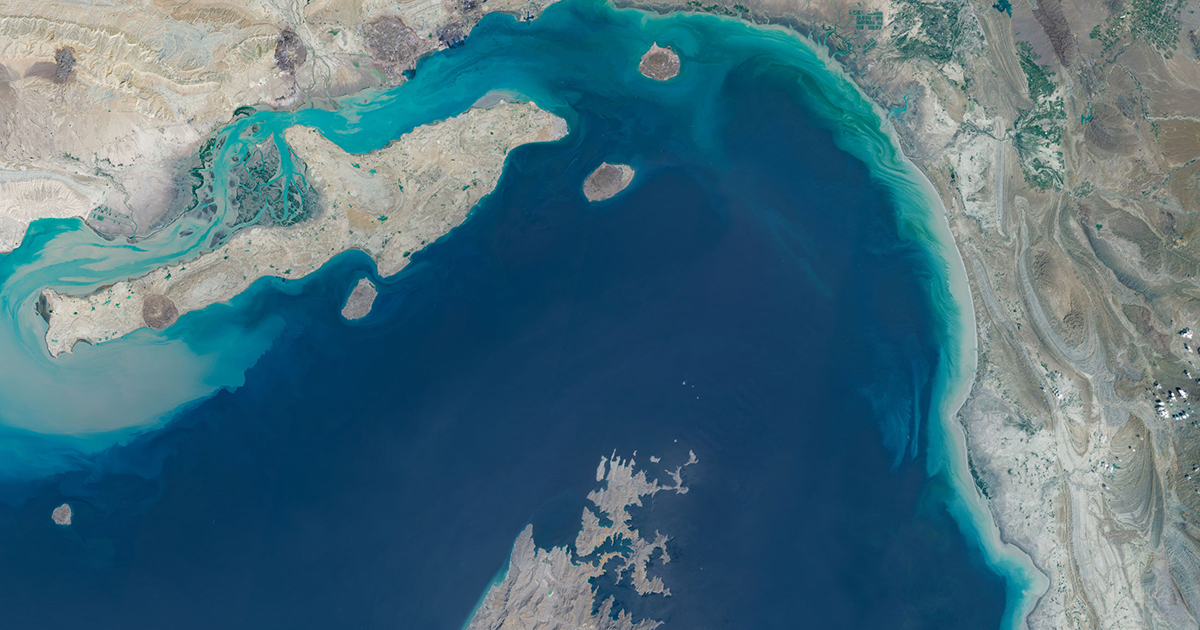
For weeks, the world was bracing for the same old drama: escalating tensions, saber-rattling, and the ever-present specter of disrupted energy supplies. We’ve seen this movie before, right? The Strait of Hormuz, that vital artery for global energy, always seems to be the stage for high-stakes brinkmanship. Everyone expected more of the same – a tense standoff, fluctuating oil prices, and the usual pronouncements of doom. But here’s the thing: this time, the script might be getting a rewrite, and AI is the ghostwriter.
Iran’s state television has dropped a bombshell – an unofficial draft of a U.S.-Iran interim peace agreement that could see maritime traffic through the Strait of Hormuz return to normal within a month of finalization. Normal traffic. Think about that for a second. This isn’t just about a temporary truce; it’s about re-opening a chokepoint that can send shockwaves through the global economy. The market, bless its pragmatic heart, has already sniffed this out, sending oil prices tumbling as traders bet on smooth sailing ahead. It’s a powerful signal, a collective exhale of relief before the confetti even hits the floor.
But let’s not get ahead of ourselves. While the headlines shout peace, the devil, as always, is in the details. This draft, mind you, excludes military vessels. And the whispers of disputes over shipping control, asset unfreezing, and the broader regional conflicts bubbling up like an angry zit underscore that this negotiation is about as fragile as a spun-sugar sculpture in a hurricane. It’s a complex dance, and one wrong step could send everything crashing down.
The AI Undercroft: Orchestrating Order?
Now, here’s where it gets really interesting. While the politicians are busy with their backroom deals, the real quiet revolution is happening elsewhere. We’re talking about Artificial Intelligence. Think of AI not just as a fancy chatbot, but as a colossal, invisible conductor, orchestrating complex systems with a speed and precision humanity simply can’t match. In a situation like this – fraught with potential miscalculation, where a single drone or a misinterpreted radar blip could ignite a conflict – AI is the ultimate de-escalator.
Imagine sophisticated AI systems constantly monitoring maritime traffic, analyzing vessel movements in real-time, flagging anomalies, and predicting potential flashpoints before they even ignite. These aren’t hypothetical sci-fi scenarios; these are systems being deployed now. They can process vast amounts of data from sensors, satellite imagery, and communication logs to provide an objective, unbiased picture of what’s happening on the water. This is the invisible hand guiding us away from the precipice.
My unique insight here? This Hormuz situation isn’t just a geopolitical chess match; it’s a real-world test case for how AI can fundamentally alter the calculus of international relations. We’re moving beyond AI predicting disruptions to AI preventing them by fostering a more transparent and predictable environment. The deal, if it materializes, will be built on a foundation of data and algorithmic certainty, not just trust – which, let’s be honest, is a pretty scarce commodity between these parties.
“There is no doubt that the conditions for passage through the Strait of Hormuz and the procedure for doing so will not be the same as before,” said Bagheri-Kani. “A completely different procedure will be introduced. Iran and Oman, as neighboring coastal states, are holding talks to determine a new mechanism for passage through the Strait of Hormuz.”
This quote from Ali Bagheri-Kani, deputy secretary of Iran’s Supreme National Security Council, is critical. It signals not just a desire for normalcy, but for a new normal. And that new normal? It’s likely to be heavily influenced by the very technological systems that can ensure transparency and adherence to agreements. AI, in essence, is becoming the enforcement mechanism, a silent guardian ensuring that the ink on the peace deal is respected.
The Fragile Peace and the Ghost in the Machine
Look, tensions aren’t magically evaporating. The U.S. military’s recent strike on Iranian soldiers near the strait, and Iran’s retaliatory actions against American jets, are stark reminders of the volatile undercurrents. These aren’t just isolated incidents; they’re sparks that could reignite the entire powder keg. And then there’s the parallel conflict in Lebanon – a whole other layer of complexity that Iran insists must be part of any comprehensive ceasefire. This is where the negotiations get really sticky, like trying to untangle headphone cords in the dark.
But even in this high-stakes environment, AI’s role as a stabilizing force becomes even more pronounced. It can help de-conflict airspace, monitor de-escalation zones, and provide real-time threat assessments to prevent accidental escalations. It’s the ultimate safety net, a digital lifeguard in treacherous waters. The corporate PR might focus on the diplomatic breakthroughs, but the real story might be the quiet hum of algorithms working overtime to keep the peace.
This isn’t just about a temporary dip in oil prices. This is a fundamental shift in how global stability can be maintained. If this deal sticks, and if AI plays the role I suspect it’s playing, we’re witnessing the dawn of a new era where advanced technology acts as the bedrock of international diplomacy. It’s a future where understanding, not just agreement, is driven by data. And that, my friends, is a prospect that fills me with a profound sense of wonder.
🧬 Related Insights
- Read more: eHGV Adoption Stalls: Is Software the Real Solution? [Analysis]
- Read more: AI in Supply Chains: Beyond Buzzwords to Operations
Frequently Asked Questions
What does the draft U.S.-Iran deal say about the Strait of Hormuz? The unofficial draft agreement suggests that maritime traffic through the Strait of Hormuz could return to normal within one month of the deal being finalized.
Will this deal lower oil prices permanently? While an agreement would likely lead to sustained lower oil prices by ensuring stable supply, the long-term impact depends on the full implementation and adherence to the deal, as well as broader geopolitical factors.
How is AI involved in de-escalating tensions in regions like the Strait of Hormuz? AI systems can monitor maritime traffic in real-time, analyze movements, predict potential conflicts, and provide objective data to all parties, thereby reducing the risk of miscalculation and accidental escalation.