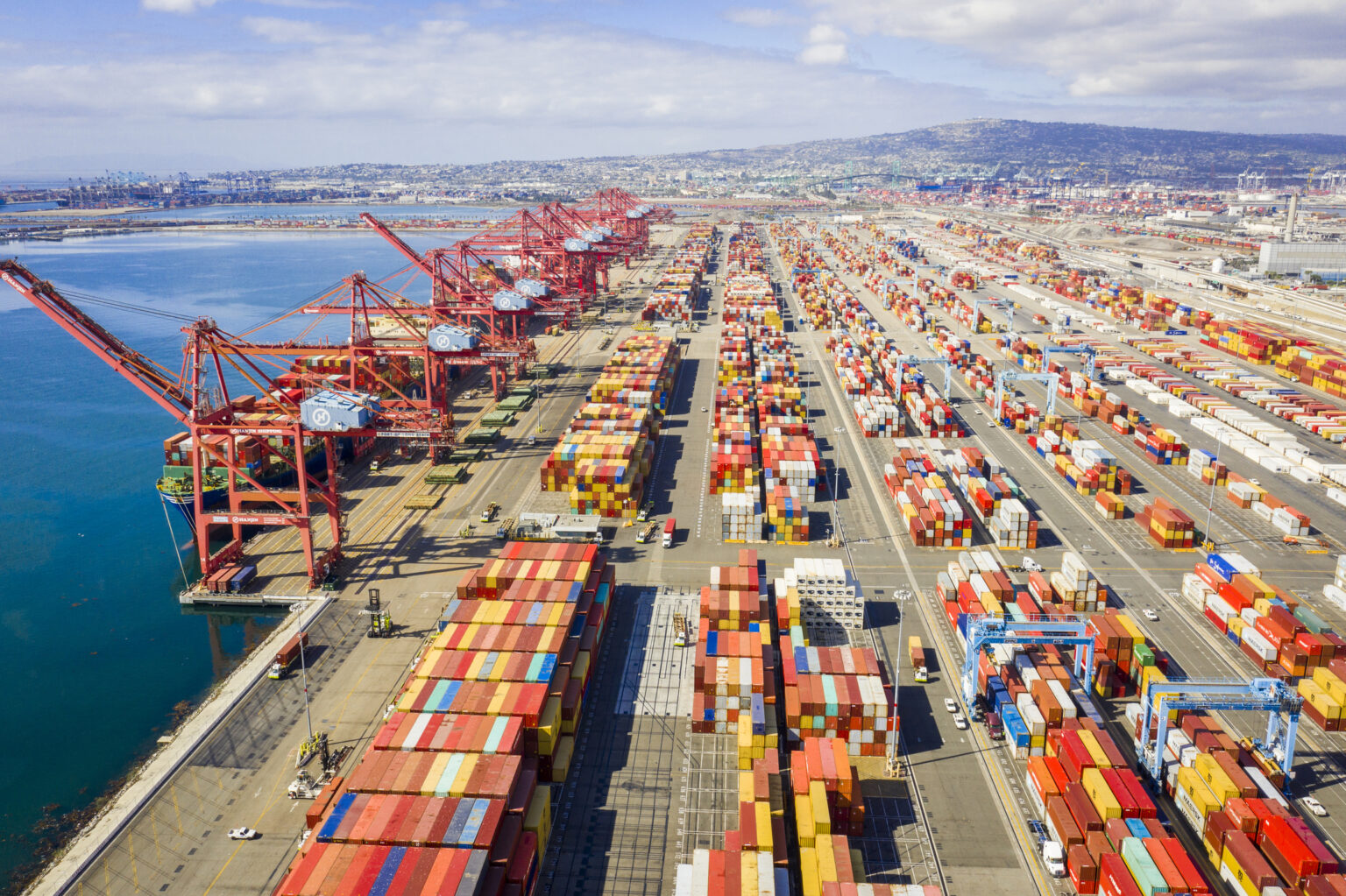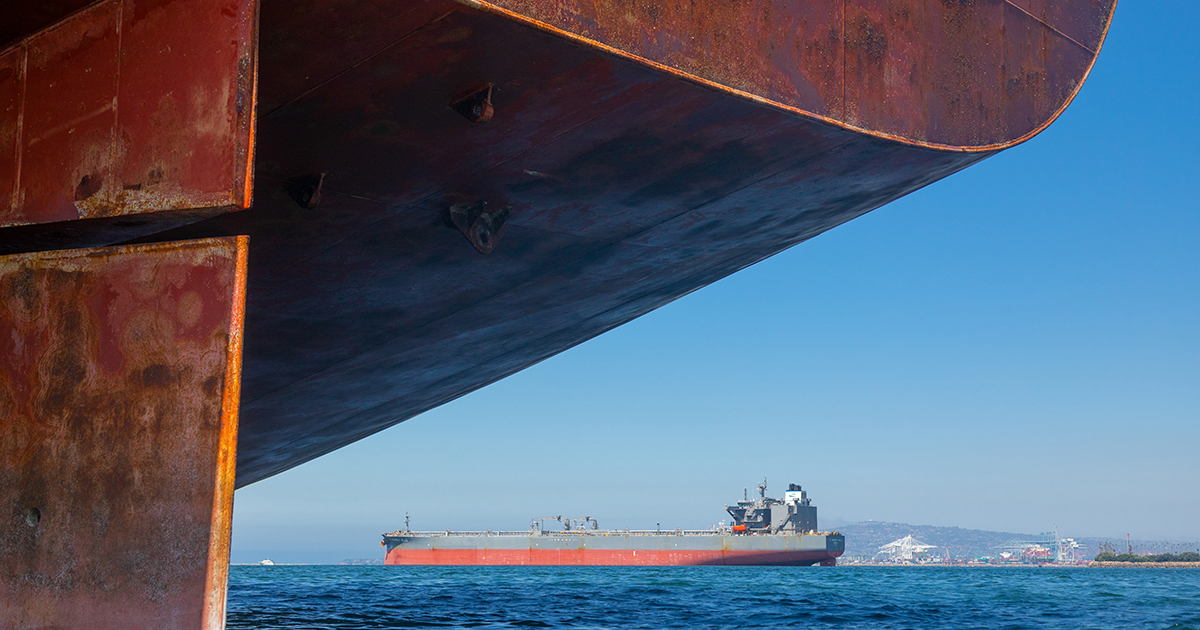
Supply chain stress is rising.
The sophisticated machinery of global trade, which often hums along with an almost invisible efficiency, is showing strain. Several critical indicators, once quiet for years, are now flashing red, echoing the alarm bells that rang throughout the COVID-19 pandemic. This isn’t just a blip; it’s a systemic tightening that central banks are watching with a wary eye, fearing a rerun of rampant inflation.
The Red Sea Effect: A Longer, Costlier Haul
Look at the data: the Federal Reserve Bank of New York’s Global Supply Chain Pressure Index has climbed for three consecutive months, hitting its highest point in nearly four years in April. Similarly, the World Bank’s index is flirting with its pandemic peak. The culprit? A complex interplay of geopolitical tensions and the resultant rerouting of major shipping arteries.
When major carriers like A.P. Moller-Maersk A/S, the world’s second-largest container line, are talking about an extra $500 million in monthly costs, you know something significant is afoot. The decision by many to avoid the Red Sea since late 2023, opting for a longer, more fuel-intensive route around southern Africa, is a prime example of how geopolitical instability directly impacts the flow of goods. Vincent Clerc, Maersk’s CEO, was candid, stating, “What is impacting freight rates is the energy shock” and “our belief is that those energy costs are so high that nobody can just shoulder them.” This isn’t just about longer transit times; it’s about a fundamental increase in the cost of moving products globally.
“The closer we get toward actual quantity constraints on key commodities, the more upwards pressure we’re likely to see on prices,” said Shanella Rajanayagam, a trade economist at HSBC Holdings Plc.
This sentiment is echoed across the board. When basic inputs become more expensive due to transportation woes, that cost inevitably trickles down. It’s a stark reminder that logistics, accounting for an estimated 10% of world GDP, isn’t just a background element; it’s a foundational pillar of the global economy.
Beyond the Shipping Lanes: Stockpiling and Lengthy Deliveries
But it’s not just about the long-haul shipping. Dig deeper into national economic indicators, and the picture becomes even more nuanced, revealing anxieties masked by seemingly strong numbers. Japan’s manufacturing purchasing-managers index, for instance, hit a high not seen since January 2022. Production is up, new orders are flowing. Sounds like a strong recovery, right? Not so fast.
This surge, according to S&P Global Market Intelligence, is partly fueled by Japanese companies stockpiling out of concern for future disruptions and potential conflicts. The average time for inputs to be delivered has lengthened significantly, the most since the immediate aftermath of the 2011 Tohoku earthquake. Annabel Fiddes, an economics associate director there, cautioned, “The current boost to manufacturing could soon fade unless we see reduced market uncertainty and more stable supply chain conditions, particularly if market demand weakens and stock-building activities start to reverse.” In essence, some of this apparent strength is built on a foundation of precaution, not necessarily organic demand.
The US Echo: Lengthening Lead Times and Rising Input Costs
Across the Atlantic, the United States isn’t immune. Delivery times reported in the Institute for Supply Management’s surveys are stretching out, reaching their longest duration since 2022. Simultaneously, input prices have surged, climbing at a rate not seen in four years. HSBC’s Rajanayagam points out that this is before any potential impact from upcoming U.S. tariff actions.
The Logistics Managers’ Index (LMI), a critical barometer of transportation, inventory, and warehousing costs and capacity, is also signaling mounting pressure. Warehousing capacity, a bellwether for storage availability and cost, is described as “tight everywhere” and shrinking at its fastest pace since March 2024. Predictions for inventory cost growth are nearing what the LMI terms “extreme rates of expansion,