The giants scoff.
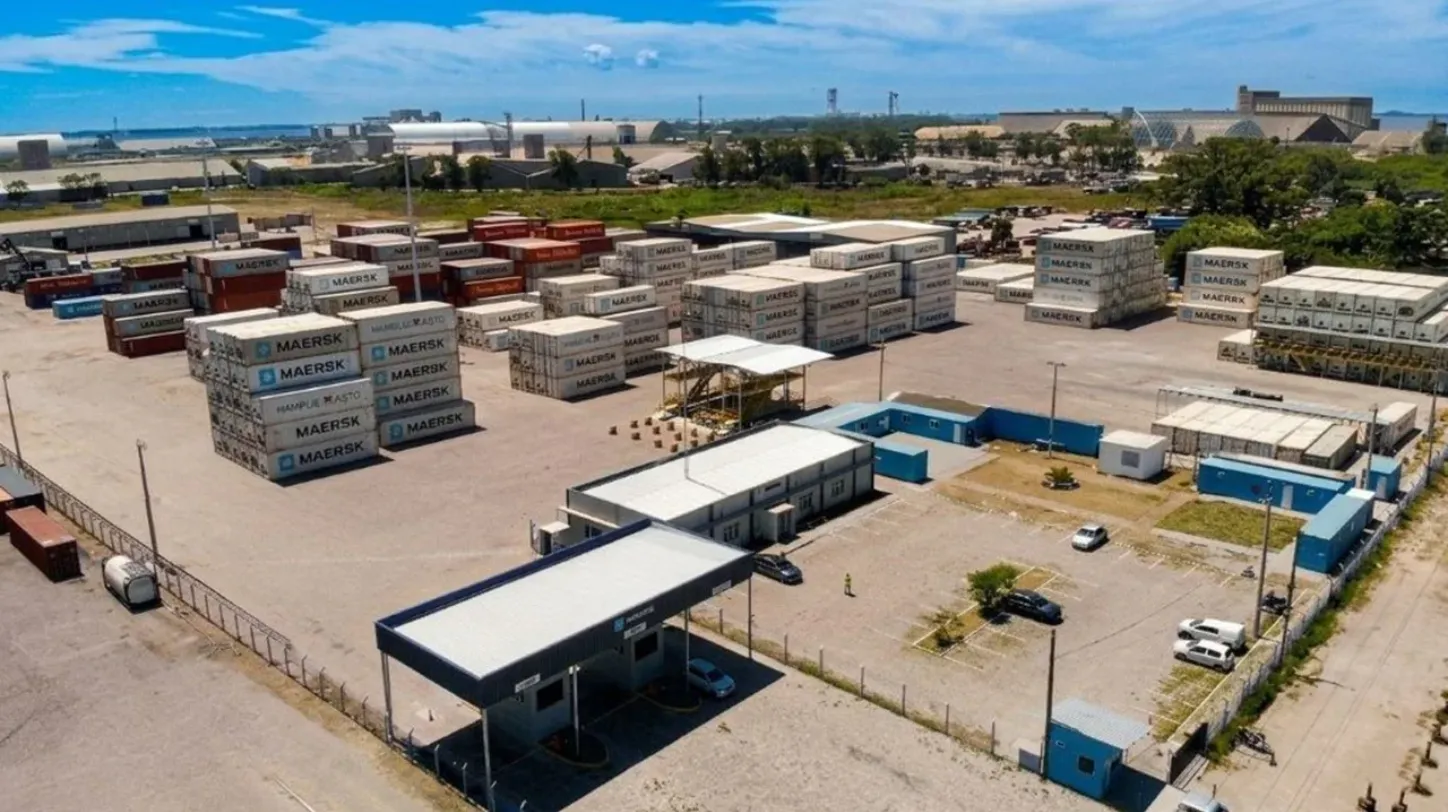
FedEx, Maersk, GXO – the big names in shipping and logistics – are essentially saying, ‘Amazon? So what?’ They’re out there, the companies that move the actual world, and they’re downplaying the impact of Amazon’s expanded supply chain services. It’s a classic industry shrug. Amazon, the retail behemoth, is now opening its vast logistics network to other businesses. Sounds scary, right? For everyone else, maybe. But for the old guard? Not so much.
Their argument, boiled down, is simple: they do different things. Amazon moves packages. It’s a monumental task, no doubt. But FedEx moves everything from your grandma’s knitting to industrial equipment across continents. Maersk ships containerized freight across oceans. GXO, well, they manage massive warehouses and complex fulfillment operations. These aren’t just slightly different flavors of the same ice cream; they’re entirely different desserts.
Different Strokes for Different Folks
Look, Amazon’s strength is its direct-to-consumer (DTC) delivery network and its massive fulfillment centers geared towards e-commerce. They’ve built an incredible engine for getting stuff from a warehouse shelf to someone’s doorstep, fast. That’s their bread and butter. But when you’re talking about global supply chains, international freight, or managing a sprawling network of specialized distribution centers for B2B clients, Amazon’s model doesn’t exactly map. It’s like comparing a sprinter to a marathon runner – both run, but the training, the strategy, and the finish line are worlds apart.
And here’s the thing the tech bros pushing this narrative often miss: complexity. Supply chain management isn’t just about moving boxes. It’s about customs, regulatory compliance, managing multiple modes of transport, inventory optimization across disparate locations, and dealing with geopolitical disruptions. These are not problems Amazon, in its current B2C-centric form, has primarily solved for its own operations, let alone for a diverse set of external clients with vastly different needs.
“Our capabilities and our focus areas are very different from what Amazon is now offering to all businesses,” said one executive, echoing the sentiment across the board. The message is clear: we’re not in the same game.
This isn’t just PR spin. It’s a reflection of decades spent building infrastructure, expertise, and relationships that Amazon, for all its scale, is still trying to replicate in the enterprise B2B space. You can’t just flip a switch and become a global freight forwarder or a third-party logistics (3PL) provider for heavy industry. It requires specialized assets, deep industry knowledge, and a different kind of customer relationship – one that’s less about transactional speed and more about long-term, strategic partnerships.
The Amazon Advantage (and its Limits)
Let’s not be naive. Amazon has built an undeniably impressive logistics machine. Its sheer scale, technological prowess, and relentless focus on customer experience are formidable. For smaller businesses or those heavily reliant on e-commerce fulfillment, Amazon’s offering could be attractive. It simplifies things. It potentially lowers costs. But ‘simplified’ and ‘diverse B2B needs’ rarely inhabit the same sentence, and that’s where these established players feel safe.
My take? This is less about Amazon eating their lunch and more about Amazon trying to diversify its own pie. They’ve conquered online retail and are now looking to monetize their infrastructure further. It’s smart business. But the idea that this immediately renders FedEx, Maersk, and GXO obsolete is… well, cute. It’s the kind of thinking that assumes all logistics are created equal. They’re not. The real differentiator for the incumbents isn’t just their existing network; it’s their deep understanding of the varied demands of global commerce. Can Amazon claim that across the board? Not yet. Not by a long shot.
Will Amazon Dominate Global Logistics Too?
Don’t hold your breath. While Amazon’s expansion into logistics services for third-party businesses is significant, the established players like FedEx, Maersk, and GXO aren’t quaking in their boots. Their services are fundamentally different, catering to a broader and more complex range of needs that extend far beyond last-mile e-commerce delivery. Think international freight, specialized warehousing, and complex supply chain management – areas where Amazon is still playing catch-up.
What’s the Real Difference?
The core distinction lies in scope and specialization. Amazon excels at direct-to-consumer fulfillment, leveraging its massive infrastructure for speed and efficiency. FedEx, Maersk, and GXO, however, have built decades of expertise in global trade, complex B2B logistics, specialized cargo handling, and comprehensive supply chain solutions. They manage the entire journey, from sourcing raw materials to delivering finished goods, often involving multiple modes of transport and complex regulatory hurdles that Amazon’s current model isn’t designed to address for a broad client base.
🧬 Related Insights
- Read more: Alaska, Hawaiian Cargo Unite: iCargo Now The Single Source of Truth
- Read more: Siemens: The Industrial Backbone of Digital Supply Chains
Frequently Asked Questions
Is Amazon’s new logistics service a threat to FedEx?
FedEx and others believe their core services are distinct. While Amazon offers B2C fulfillment efficiency, FedEx handles diverse global shipping needs, including freight and specialized deliveries that go beyond typical e-commerce. The established players see Amazon’s offering as complementary, not directly competitive for their primary client base.
What are the key differences between Amazon logistics and traditional carriers?
The primary difference is scope and customer base. Amazon focuses on e-commerce fulfillment for businesses selling online. Traditional carriers like FedEx, Maersk, and GXO manage a much wider array of logistics needs, including international shipping, bulk freight, specialized warehousing, and complex B2B supply chain management, serving a broader spectrum of industries.
Can other companies use Amazon’s logistics network?
Yes, Amazon is now offering its logistics services to other businesses, aiming to monetize its vast infrastructure beyond its own retail operations. This move is intended to provide fulfillment and delivery solutions to a wider market.