The screech of metal on metal. That sickening thud. In the high-octane world of logistics, these aren’t just noises; they’re potential nightmares for fleet managers. And today, it feels like we’re witnessing a seismic shift in how those nightmares are managed. Eagle Vision Security just dropped its Intelligent Damage Reporting (iDR) platform, and it’s not just another software update. This is about AI stepping out of the lab and into the grime of the truck yard, becoming the hawk-eyed guardian we desperately needed.
Look, we’ve all seen those sprawling, chaotic truck yards. Hundreds of vehicles shuffling in and out, day and night. Pinpointing a new scratch or a cracked taillight on a semi under those conditions? It’s like trying to spot a specific grain of sand on a busy beach during a dust storm. Traditional inspection processes are, let’s be honest, often a tangled mess of clipboards, hurried scribbles, and a hefty dose of human fallibility. Parm Deol, president of Eagle Vision Security, nails it when he says, “Traditional inspection processes are often manual, inconsistent and reactive.” That’s precisely the problem iDR aims to oblash.
The AI Watchtower Arrives
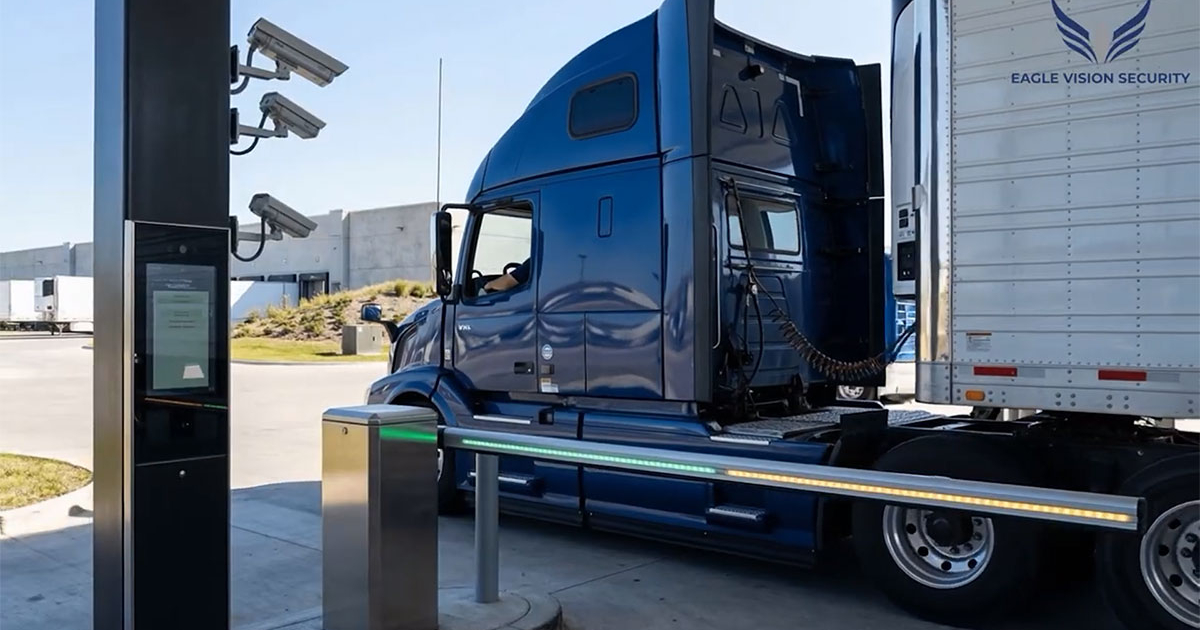
So, what is iDR doing that’s so special? It’s not just taking pictures; it’s seeing. Imagine a fleet of tireless digital sentinels, armed with AI imaging and video analytics, constantly scanning every inch of a vehicle as it moves through a terminal. They’re not just looking for damage; they’re identifying it with a precision that would make a seasoned inspector nod in grudging approval. High-resolution images, detailed AI analysis, and centralized reporting—all flowing into a system designed to catch those costly oversights before they snowball into major headaches.
This isn’t merely an incremental improvement; it’s a fundamental reimagining of fleet maintenance and damage documentation. For too long, the transportation and logistics sector has been grappling with the fallout of unnoticed damage: ballooning repair costs, crippling equipment downtime, and the ever-present specter of insurance claim disputes. iDR feels like the cavalry arriving, not with bugles, but with algorithms.
Eagle Vision said the system uses AI-powered imaging, video analytics and centralized reporting tools to support vehicle inspections at transportation and logistics sites.
What’s truly exciting here is the potential for proactive management. Instead of reacting to a broken part after it’s failed, iDR offers a pathway to preemptive action. This could fundamentally alter the economics of fleet operations, turning potential liabilities into manageable, predictable costs. It’s the difference between a fire department reacting to a blaze and a sophisticated sensor network that detects the first wisp of smoke. This is the kind of predictive power that AI promises, and seeing it land in a practical, operational context like fleet damage is immensely satisfying.
Expanding the Digital Net
Eagle Vision, a company already entrenched in transportation security, is now pushing its digital net wider. Their move into damage detection and inspection reporting signifies a growing trend: a blurring of lines between security, operational efficiency, and intelligent asset management. This platform isn’t just about finding dents; it’s about building a comprehensive digital twin of a fleet’s condition over time. It’s about turning data—often messy and fragmented—into actionable intelligence.
And let’s not forget the human element, or rather, the augmented human element. While AI does the heavy lifting of initial detection, it doesn’t replace the experienced eye. Instead, it empowers it. Inspectors can now focus on complex judgments and strategic decision-making, rather than on the tedious, error-prone task of rote visual inspection. It’s AI as the ultimate assistant, freeing up human capital for higher-value tasks. This is the future of work—not replacement, but elevation.
It’s easy for companies to slap an ‘AI’ sticker on a new product and call it a day. But iDR, from what I’m seeing, appears to be a genuine attempt to harness AI’s power for a real-world operational challenge. The true test, of course, will be in its long-term impact on repair costs, downtime, and overall fleet health across North America. But the initial forecast? Sunny, with a high probability of significant operational improvement.
🧬 Related Insights
- Read more: 1,014 Anti-Latino Hate Crimes in 2025: Supply Chain’s Hidden Crisis Explodes
- Read more: GOP Slams Door on Iran War Powers as Oil Chokepoints Loom
Frequently Asked Questions
What does Eagle Vision’s iDR do?
Eagle Vision’s Intelligent Damage Reporting (iDR) is an AI-powered platform that uses imaging and video analytics to automatically detect and document damage on vehicles in fleet facilities, aiming to reduce manual inspection errors and improve reporting accuracy.
Will this replace human inspectors?
While iDR automates much of the initial damage detection, it’s designed to augment human inspectors, freeing them up for more complex analysis and strategic decision-making rather than replacing them entirely.
How does iDR help reduce costs?
By identifying vehicle damage promptly and accurately, iDR helps prevent minor issues from escalating into costly repairs, reduces equipment downtime, and can streamline insurance claims and operational processes.