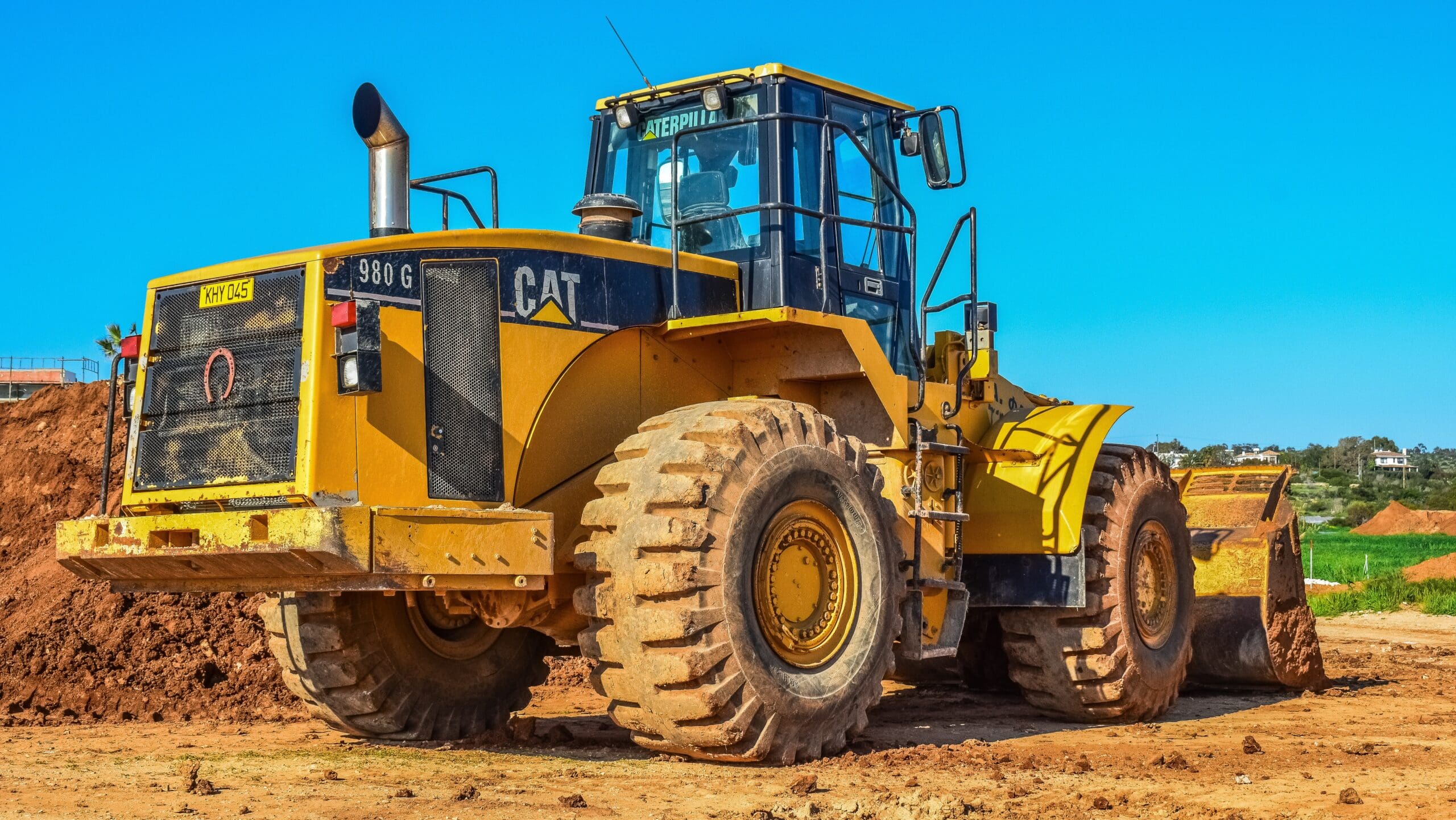
Let’s talk about what Caterpillar’s recent numbers actually mean for your average Joe, or more accurately, for the Joe who still builds things. It’s not just about bulldozers and excavators getting busier. It’s a siren song from the physical world, a not-so-subtle whisper that the digital dream is being hammered into shape by very real girders, massive engines, and a supply chain that’s suddenly feeling the strain of something far grander than mere construction cycles.
This isn’t your grandfather’s industrial upswing. We’re looking at a confluence of forces, with AI infrastructure sitting squarely at the nexus. Data centers, those power-hungry behemoths, don’t materialize out of thin air. They demand land, concrete, massive electrical grids, and, crucially, power generation capacity. And who, pray tell, builds a lot of those large engines and generators? You guessed it.
So, when Caterpillar reports a 22 percent jump in sales and revenues to $17.4 billion for the first quarter of 2026, it’s easy to chalk it up to a cyclical rebound. But look closer. The real story isn’t just the machines rolling off the assembly line; it’s why they’re rolling off.
The Unseen Engine of AI
Caterpillar’s Power & Energy segment, which snagged about $7.0 billion in sales (up 22 percent year-over-year), is the unsung hero here. This surge is increasingly tethered to the voracious appetite of data centers for reliable power, the growing strains on national grids, and the push for industrial electrification. It’s a physical manifestation of our digital aspirations, and it’s pulling hard on a supply base that many in the tech world rarely consider.
Think about it: The AI boom everyone’s buzzing about isn’t just about NVIDIA chips and cloud computing. It’s about physical space, concrete foundations, complex cooling systems, and, oh yeah, enough electricity to power a small city. Caterpillar’s machines are on the front lines of this build-out, digging the trenches, erecting the structures, and providing the power backbone. This demand, often overlooked by those focused solely on silicon, is now a significant driver for industrial capacity.
And it’s not just data centers. The construction segment is also showing significant strength, buoyed not just by end-user demand but also by dealer inventory adjustments. Now, this distinction is critical. A simple restocking by dealers can temporarily inflate sales figures for manufacturers. But Caterpillar’s strong backlog and order activity suggest this isn’t just a phantom limb of channel stuffing. It points to genuine, productive use of these heavy-duty assets.
Why Does Supply Chain Visibility Now Include Excavators?
This interconnectedness presents a thorny set of challenges for supply chain leaders. The old way of segmenting markets—construction here, energy there, tech infrastructure in its own silo—is becoming increasingly obsolete. The physical infrastructure cycle is, to borrow a phrase, getting complicated.
Constraints in one area can quickly ripple outwards, impacting delivery schedules, inflating costs, and throwing the timing of massive capital projects into disarray.
This brings us to three practical imperatives. First, long-lead industrial capacity is no longer just a procurement detail; it’s a strategic choke point. If you’re planning a major project and treating heavy equipment acquisition as a transactional buy, you’re playing with fire when demand surges. Production slots and component availability can become far more decisive than any negotiated price.
Second, aftermarket and service capacity are gaining immense importance. A machine delivered is just a paperweight until it’s operating. The availability of spare parts, the capacity of skilled technicians, and the efficiency of field service operations are paramount to maintaining uptime and, therefore, value realization. This is the often-forgotten backbone that keeps the physical economy humming.
Third, supplier visibility must now extend deeper—much deeper. Bottlenecks in power generation and heavy equipment manufacturing aren’t always visible at the final assembly point. The problem might be a specific engine component, a batch of critical castings, or even a shortage of specialized logistics capacity. The risk is often hidden, buried several tiers down the supplier chain.
The Weight of the Digital Age
Caterpillar’s results offer a potent counterpoint to the prevailing narrative that AI is somehow weightless or disembodied. The AI economy, in all its glittering promise, is fundamentally built upon—and enabled by—the enduring power of the industrial supply chain. We focus on the chips, the servers, and the dazzling software interfaces, but the AI revolution is also powered by generators, switchgear, strong power systems, tireless construction equipment, vast tracts of developed land, and the sheer, grinding force of freight movement. It’s a potent reminder that even as we push the boundaries of the digital, the physical world remains our indispensable bedrock.
What does Caterpillar’s Power & Energy segment do?
This segment manufactures and sells engines, electric power generation sets, and related equipment primarily for industrial, marine, and petroleum applications. It’s essential for providing reliable electricity to critical infrastructure like data centers and industrial facilities.
How is AI infrastructure affecting demand for heavy equipment?
The build-out of AI infrastructure, especially data centers, requires significant physical construction, power generation systems, and land development. This directly drives demand for Caterpillar’s construction, mining, and power generation equipment.
Is this just dealer inventory restocking?
While dealer inventory changes can influence sales, Caterpillar’s strong backlog and order activity suggest demand is driven by actual end-user needs across construction, power, and industrial markets, rather than solely by channel replenishment.