Did you know commercial auto insurance premiums have been rising an average of 8.3% annually since 2017? That’s more than double the U.S. inflation rate. And for those of you thinking this report from the American Transportation Research Institute (ATRI) is about some obscure legal ruling? Think again. This is about your wallet, and mine.
The report, a deep dive into the insurance market, paints a grim picture. While accident rates with heavy-duty trucks have actually declined, and the overall insurance market has been ‘soft’ (read: cheap), one sector refuses to play nice: commercial auto. It’s the outlier, the black sheep. This isn’t just a blip; it’s a trend with teeth.
The Numbers Don’t Lie (But They Do Hurt)
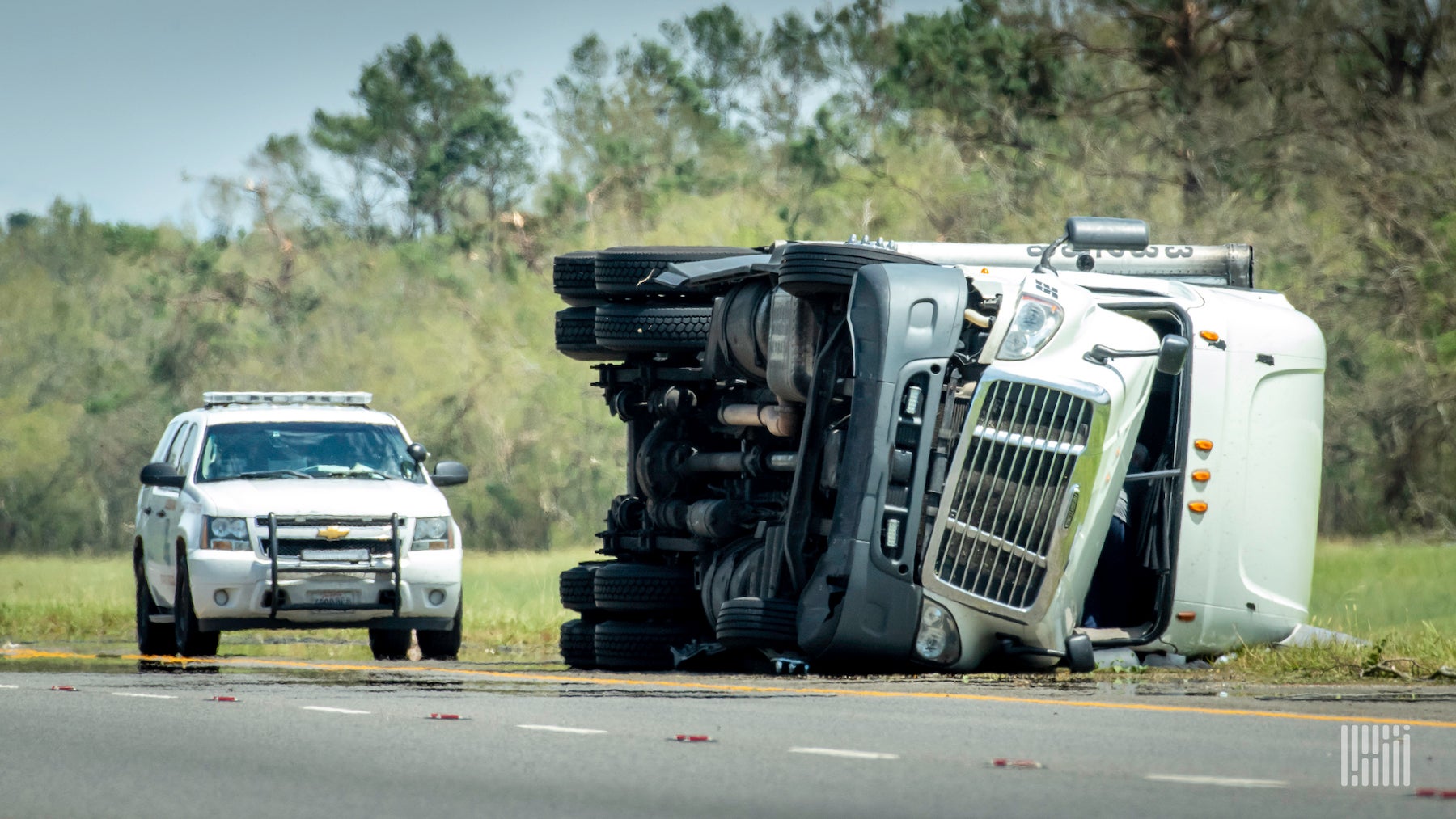
ATRI crunched the numbers between 2017 and 2025. The average annual increase? 8.3% for commercial auto. Compare that to the U.S. inflation rate of 3.9% during the same period. Pretty stark, right? Meanwhile, the rate of crashes involving heavy-duty trucks that result in injury or death? Down 8.4%. You’d think that would lead to cheaper insurance, but apparently, logic doesn’t apply here.
And it’s not like insurers are raking in the dough. Far from it. The report highlights the ‘combined ratio’ for commercial auto insurance. Exceeding 100 means insurers are paying out more in claims than they collect in premiums. Since 2014, they’ve been consistently over 100. Every. Single. Year. Except for 2021, when pandemic-induced traffic slowdowns offered a brief respite. In 2023, the ratio hit 109.2. It improved to 107.2 in 2024, but that’s still a long way from profitability. The report calls it an “ongoing struggle among many insurers to accurately estimate and price the cost of risk.”
So, Who’s to Blame for This Mess?
ATRI points to a few culprits. Distracted driving is a big one. No surprise there. Then there’s the influx of inexperienced drivers during the pandemic boom. Apparently, throwing more new faces behind the wheel while demand spiked wasn’t the safest strategy. Shocker.
But the really juicy bit? ‘Social inflation.’ This isn’t your grandma’s inflation. It’s the societal attitude that drives up claim payouts and litigation costs beyond what normal economic inflation would dictate. Think plaintiff-friendly laws, jury sentiments against big trucking companies, aggressive attorney advertising, and ‘reptile theory’ tactics. It’s the ‘get rich quick off a lawsuit’ mentality, but with trucks.
Is This the End of the Road for Affordability?
Insurers aren’t just sitting back and bleeding money. They’re doing what any sensible business would do: passing the costs on. Premiums are rising. Coverage limits are being slashed. Some are even bailing out of markets entirely. This forces motor carriers to scramble for more insurers or retain more risk themselves. It’s a vicious cycle, and guess who’s at the end of the food chain? You, the consumer, when the cost of everything eventually gets factored in.
This isn’t just an issue for trucking companies. The fallout from legal cases, particularly the specter of Montgomery v. Caribe Transport II, could land squarely on third-party logistics providers (3PLs), potentially increasing their insurance burdens as well. So, the pain isn’t localized. It’s spreading.
ATRI’s findings are a stark reminder that the insurance market is a complex beast. And right now, it’s a beast that’s hungry, and we’re footing the bill.
🧬 Related Insights
- Read more: 90% of Losses: Ransomware’s Grip on Manufacturers
- Read more: BUILD America 250 Act: Federal AV Trucking Rules Arrive
Frequently Asked Questions
What does the ATRI report say about crash rates? The ATRI report states that the rate of crashes with heavy-duty trucks leading to injury or fatality declined by 8.4% between 2017 and 2025, despite rising insurance premiums.
Why are insurance premiums going up if crashes are down? Premiums are rising due to factors like distracted driving, an influx of inexperienced drivers during the pandemic boom, and ‘social inflation’ which increases litigation costs beyond economic inflation, leading insurers to raise rates to cover losses and rising operational costs.