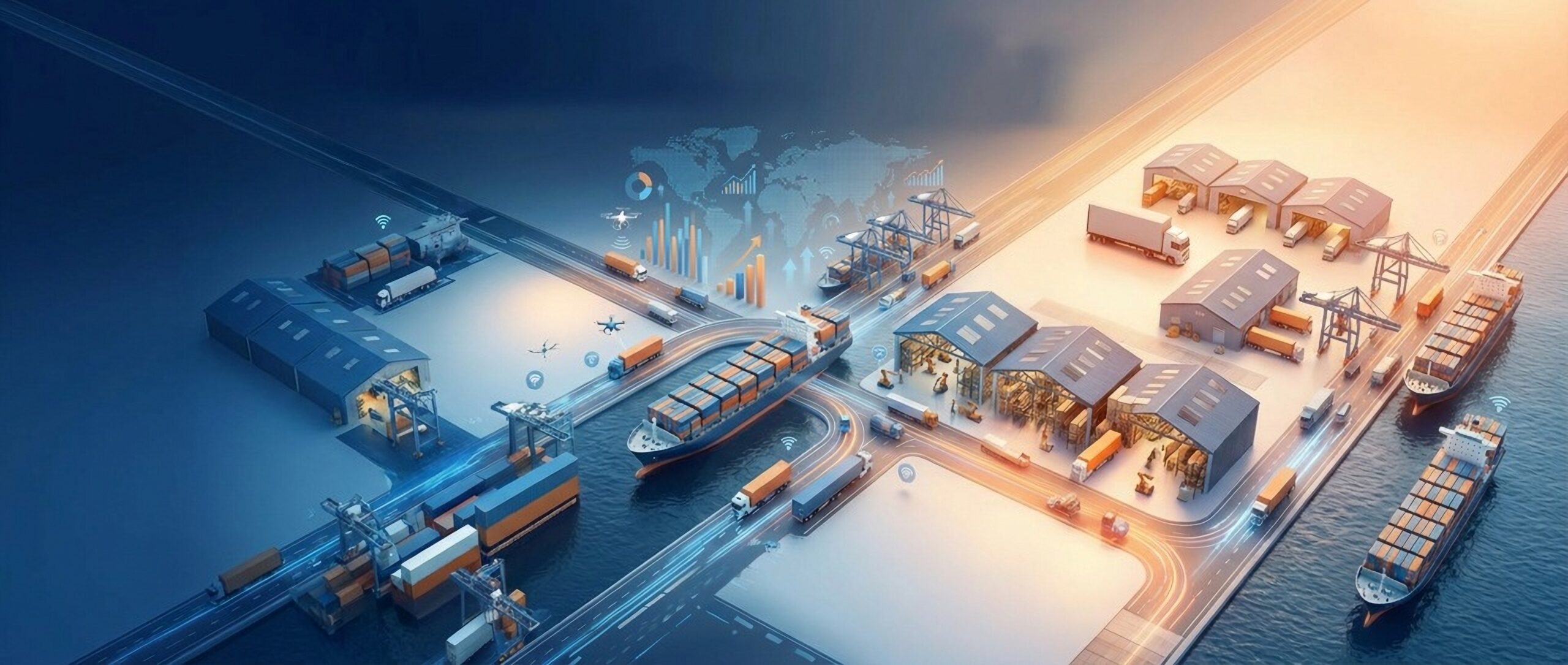
Forget the glossy brochures and the handshake deals. What’s happening with industrial dealer networks isn’t just a tweak to an old business model; it’s a fundamental architectural shift. This isn’t about selling more widgets; it’s about keeping the gears of industry turning, a change that directly impacts the uptime of your factory, the delivery of your goods, and ultimately, your bottom line.
The folks at the local dealership — whether they’re selling giant tractors, construction cranes, or specialized medical equipment — are no longer just the front lines of sales. They’re increasingly becoming the distributed infrastructure that ensures you, the customer, can actually keep running. Think of it less like a showroom and more like a local command center for operational resilience.
Why the seismic shift? Because customer expectations have gone ballistic. Downtime, that old enemy of productivity, is no longer a mere inconvenience; it’s a direct hit to profitability. And for manufacturers, trying to manage complex service, parts availability, and rapid response from a distant headquarters across vast geographic territories? It’s a logistical nightmare.
The New Role of the Local Dealer
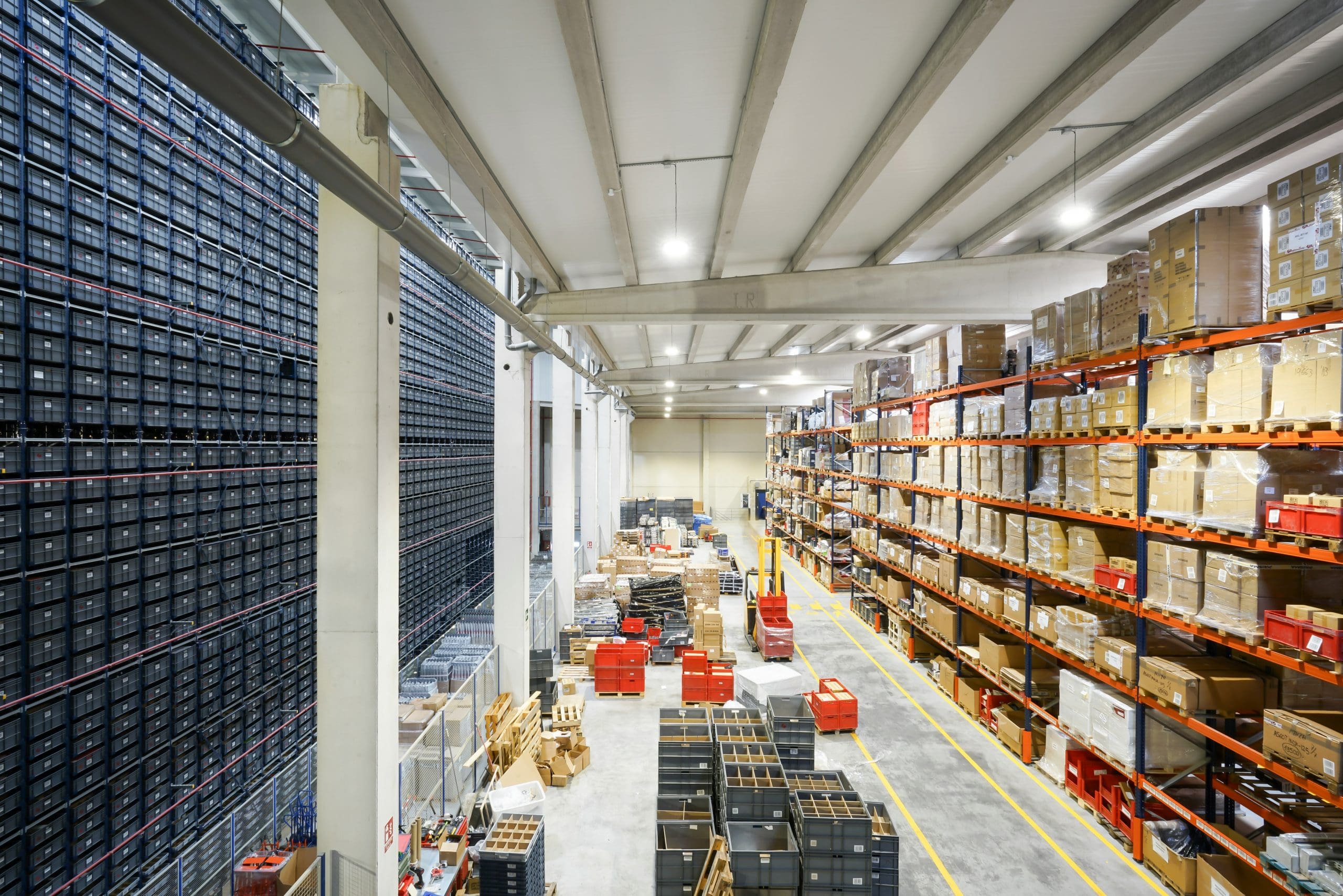
So, what does this actually look like on the ground? These dealer networks are evolving into something akin to distributed operational nodes. They’re holding inventory closer to where you need it, providing immediate field service capacity, and acting as the first responders when something breaks. They’re essentially the eyes, ears, and hands of the manufacturer in a local market, interpreting conditions and providing that critical, on-the-spot execution.
This isn’t a hypothetical. Consider the heavy hitters in agriculture or construction. Their equipment is the lifeblood of their operations. When a combine breaks down at harvest time or a crane sits idle on a critical build, the cost is staggering. Centralized service centers simply can’t compete with the responsiveness of a dealer who’s practically in your backyard, armed with the right parts and technicians.
It’s a pattern repeating across sectors – automotive service, industrial machinery, even medical equipment. The common thread? Distributed networks are becoming the bedrock of customer continuity. They’re not just channels; they’re the engine rooms.
The Coordination Conundrum
Here’s the rub. As these dealer networks morph into essential operational infrastructure, the old ways of coordinating them break down. Manufacturers need granular visibility: what’s on the dealer’s shelf? What’s the demand signal looking like in that region? How booked is their service department? Dealers, conversely, need a clearer line of sight into what’s coming from upstream – replenishment timelines, parts availability, and projected customer demand.
This is precisely where the march towards continuous intelligence in supply chains becomes so pertinent. We’re moving away from rigid, periodic planning cycles and towards systems that adapt in real-time. Dealer networks, with their embedded local knowledge and immediate operational data, fit perfectly into this new paradigm. They’re not an add-on; they are part of the core execution architecture.
This seismic shift in how dealer networks function means manufacturers must rethink how they measure success. It’s no longer just about sales volume. Metrics like inventory reliability, service response times, and the overall resilience of the network are now paramount. It’s a fundamental change in management philosophy.
The Strategic Value Unleashed
Ultimately, the strategic gold lies in how effectively a manufacturer can transform its own capabilities into on-the-ground execution through its dealer network. This demands more than just a transactional relationship; it requires deep integration. Think shared data streams, coordinated inventory strategies, aligned service operations, and strong logistical ties.
Companies that nail this won’t just be selling through their dealers; they’ll be coordinating with them, transforming a legacy distribution channel into a true, strategic supply chain asset. It’s a subtle but profound difference.
The dealer network can act as an inventory buffer, service hub, customer continuity layer, and market-sensing mechanism all at once.
This evolution is more than just a business trend; it’s a critical indicator of how resilient and responsive supply chains are being built for the future. It’s about embedding operational capability where it’s needed most, blurring the lines between sales, service, and pure supply chain execution.
AI is reshaping supply chain execution by enabling this kind of distributed intelligence and real-time coordination. The dealer network, once a passive endpoint, is now an active, intelligent node in a much larger, more dynamic operational web.
🧬 Related Insights
- Read more: Dispatchers Still Rule: Logicplan Targets Judgment Gap
- Read more: Tariff Fraud Rocks First Brands: $285.5M Claim
Frequently Asked Questions
What does this shift mean for smaller businesses? For smaller businesses that rely on these dealers, it means potentially better access to critical parts and faster service, directly impacting their own operational uptime and reducing costly disruptions.
Will this make equipment more expensive? While direct price increases aren’t guaranteed, the enhanced operational support and reduced downtime provided by these integrated dealer networks can lead to a higher total cost of ownership for the customer, though this is offset by increased productivity and reliability.
How do manufacturers ensure dealers are ready for this new role? Manufacturers need to invest in technology that facilitates data sharing and coordination, provide ongoing training for dealer staff, and revise performance metrics to align with these new operational expectations. Trust and transparent communication are key.