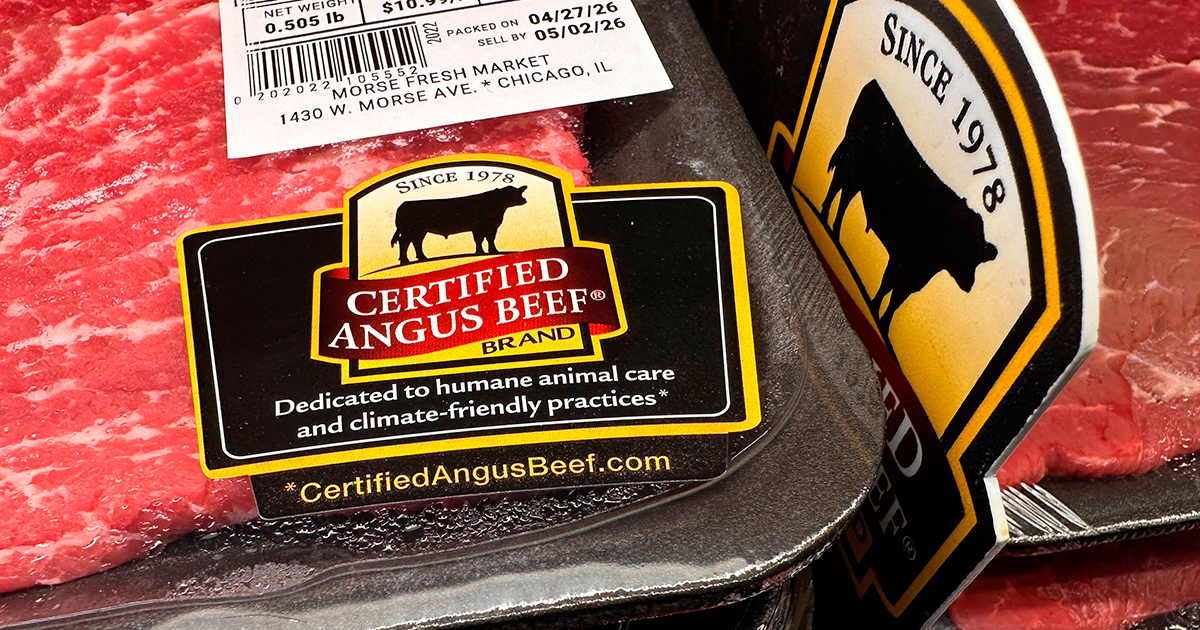
For the average American family staring down grocery bills that feel increasingly astronomical, this isn’t just another policy delay. It’s more sticker shock at the butcher counter. The much-anticipated move by the Trump administration to suspend tariffs on beef imports, a potential lifeline aimed at curbing soaring consumer prices, has hit a snag. This pause means those record-high beef prices — ground beef crossing the $7 per pound mark and steaks pushing past $13 — are likely here to stay for the foreseeable future.
What was supposed to be a swift executive action on May 11, designed to inject more supply and thus cool down demand-driven inflation, has been indefinitely postponed. A White House official cited the need to “fine-tune potential directives aimed at alleviating temporary shortages in the domestic beef market.” Translation: The political calculus has gotten complicated, and the immediate relief for consumers is on the back burner.
The Political Tightrope Walk
The administration faces a classic supply-and-demand dilemma, but with a heavy dose of electoral politics. On one hand, increasing foreign beef imports could theoretically flood the market, driving down prices for consumers just months before the November midterm elections. It’s a straightforward economic lever for tackling a highly visible problem — food inflation.
But here’s the rub, and it’s a big one: U.S. ranchers and powerful beef producers are vehemently opposed. They’re worried that cheaper imports will undercut their own businesses, especially after years of struggling with losses. The cattle industry wields significant influence in key rural and Republican-leaning states. For a party needing to secure votes in these areas, alienating a major industry presents a considerable risk. As Zippy Duvall, President of the American Farm Bureau Federation, put it starkly:
“Ranchers are finally starting to recover from years of losses. Any plans to increase beef imports are extremely worrisome and could undermine the fragile recovery ranchers are experiencing.”
This isn’t just a difference of opinion; it’s a direct clash between the immediate needs of consumers and the long-term (and electoral) interests of a powerful domestic lobby. The pause underscores the difficult balancing act involved in managing inflation when economic policy directly impacts deeply entrenched interest groups.
Supply Chain Woes and Political Fallout
The beef supply chain itself is already under immense pressure. The U.S. cattle herd has reportedly shrunk to a 75-year low, a significant factor contributing to both record consumer prices and tighter margins for meat processors. While the administration has been exploring measures beyond tariffs — such as increasing loans for ranchers and easing regulations on grazing and predator protections (yes, even about wolves) — these initiatives are generally longer-term fixes. They don’t offer the quick price reduction that voters facing high grocery bills might be looking for right now.
Even the proposed international outreach has faced headwinds. Efforts to boost imports from countries like Argentina and Brazil, major global beef exporters, have drawn criticism. A group of 13 GOP lawmakers, for instance, penned a letter to trade and agriculture officials last October expressing concern over expanding Argentine beef imports. This suggests that even within the party, there’s no unified front on how to address the issue, complicating any decisive action.
The administration’s dual strategy was meant to address short-term supply shortages by expanding imports and simultaneously support domestic herd rebuilding. Yet, the immediate demand for relief at the checkout counter appears to be clashing with the political imperative to protect domestic industries. It’s a classic supply chain bottleneck, but instead of a port congestion issue, it’s a political blockage.
The Unique Insight: This situation mirrors historical battles over agricultural trade policy where domestic producer interests consistently clash with consumer price pressures. Think of historical debates over grain tariffs or dairy subsidies. The narrative is an old one: protectionism for producers often translates to higher costs for the public, and when elections loom, the pressure to appease powerful domestic lobbies can override the push for consumer affordability. The Trump administration’s dilemma isn’t unique in economic history; it’s a recurring theme where the perceived stability of key voting blocs trumps the immediate relief for the broader electorate.
Why Does This Matter for Real People?
Ultimately, this is about disposable income. When basic food staples like beef become disproportionately expensive, families have to make difficult choices. They might cut back on protein, substitute cheaper (and potentially less nutritious) options, or simply spend a larger chunk of their budget on food, leaving less for other essential needs or discretionary spending. This ripple effect can impact local economies and consumer confidence. The pause on tariff reduction isn’t just a bureaucratic delay; it’s a direct continuation of financial strain on households across the country.
🧬 Related Insights
- Read more: What to Watch This Week: Geopolitical Tensions, AI Disruption, and Regulatory Scrutiny
- Read more: CBP Tariff Refunds Now Dragged to 60-90 Days: The Supply Chain Squeeze Tightens
Frequently Asked Questions
What does the pause on beef tariffs mean for consumers?
It means consumers will likely continue to face record-high beef prices in the short term, as the potential for increased supply from reduced tariffs is delayed.
Why are U.S. ranchers against lower beef tariffs?
U.S. ranchers are concerned that increased imports of cheaper foreign beef would undermine their businesses and hinder their recovery from previous financial losses.
What other measures is the administration considering to help with beef prices?
Besides tariffs, the administration has considered increasing loans for U.S. ranchers, easing grazing regulations, and potentially relaxing rules related to endangered species protections that might impact cattle herds.