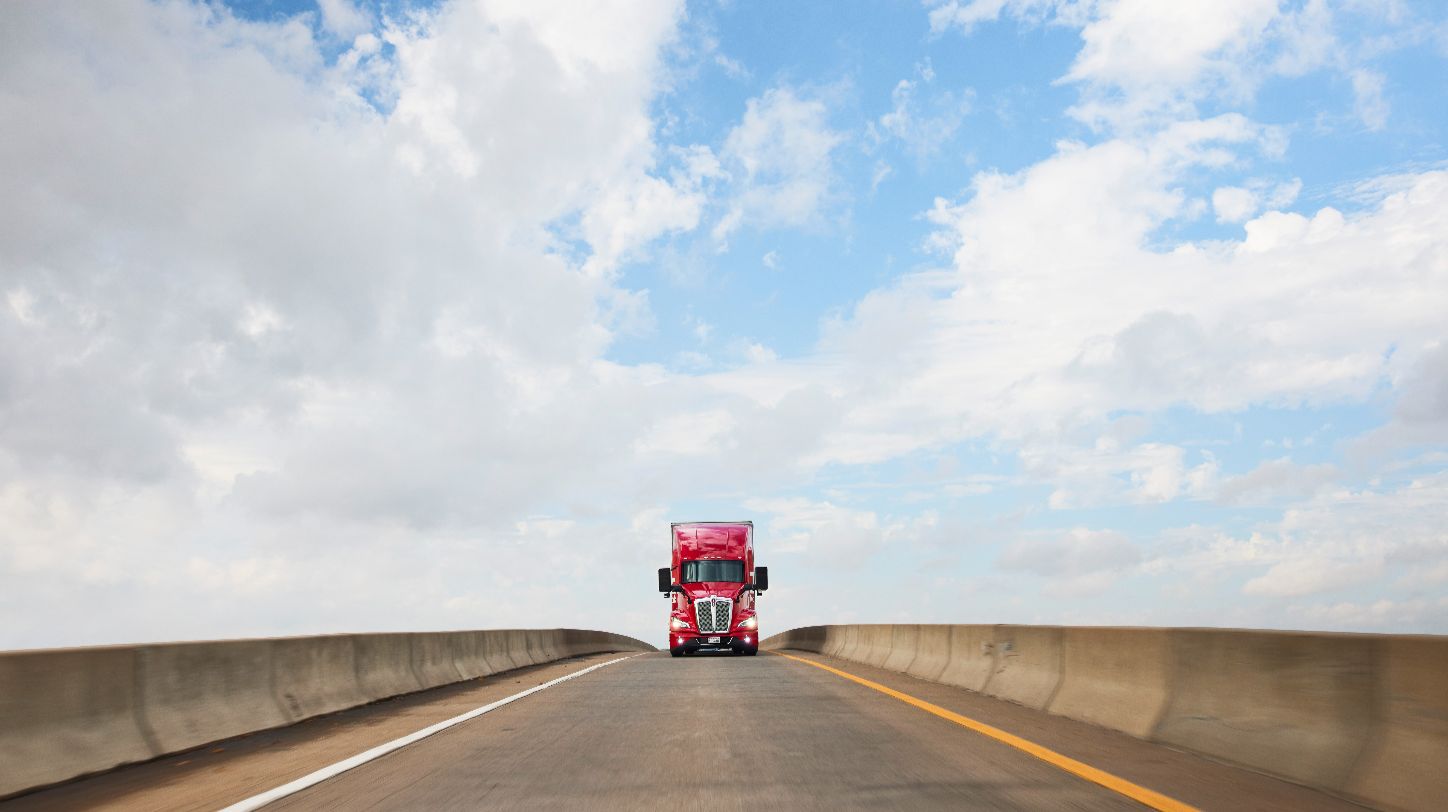
The hum of traditional diesel engines in long-haul trucking has long been the soundtrack of commerce. But the quiet whir of artificial intelligence is starting to join the chorus, and it’s not a distant echo anymore. Kodiak, a company touting its AI-powered autonomous vehicle technology, has formally announced it’s now autonomously hauling freight with Roehl Transport. This isn’t just another pilot program; it’s a concrete deployment, moving goods between Dallas and Houston multiple times a week. What was anticipated as a future development is now a present reality, recalibrating timelines and expectations across the sector.
For years, the industry has debated the pace of autonomous truck adoption, with many assuming widespread implementation was still years, if not a decade, away. Concerns about regulatory hurdles, public acceptance, and technological maturity have cast long shadows. Yet, Kodiak’s move with Roehl Transport — a well-established player with a significant footprint across the U.S. and a diverse service offering ranging from refrigerated to flatbed operations — suggests that the ‘wait and see’ approach is rapidly becoming obsolete. This partnership is a clear signal that the practical application of Level 4 autonomy in trucking is moving from the test track to the tarmac.
Is This a Real Shift or Just More PR Spin?
Kodiak’s ‘Kodiak Driver’ system is engineered with safety and efficiency as its core tenets, aiming to enhance long-haul trucking, industrial, and defense applications. The collaboration with Roehl Transport, which began in April 2026, has seen their equipped trucks completing the Dallas-Houston route four times roundtrip weekly. This isn’t theoretical. Kodiak already operates in other challenging environments, having deployed a fleet of 20 self-driving trucks with Atlas Energy Solutions in West Texas’s Permian Basin by the end of 2025. The consistent operation on a recurring route is key here. It’s not about a one-off demonstration; it’s about integrating autonomous capability into the daily grind of freight movement.
Don Burnette, Kodiak’s CEO, articulated the partnership’s significance: “Working with Roehl Transport reflects a shared commitment to safety in trucking. By combining our AI-powered autonomous capabilities with Roehl’s safety approach, we’re proving how our technology can enhance efficiency while making meaningful progress toward safer roads at scale.” This statement, while corporate-friendly, underscores a pragmatic approach. It’s not just about replacing drivers; it’s about augmenting existing operations and, theoretically, improving safety metrics. The fact that they’re emphasizing safety alongside efficiency is a crucial signal to regulators and the public alike.
What Does This Mean for the Freight Market?
The implications for the broader freight market are substantial. Increased efficiency and potentially lower operating costs for carriers like Roehl could translate into more competitive pricing for shippers. Furthermore, the chronic shortage of qualified truck drivers, a persistent headache for the industry, might see some relief if autonomous trucks can reliably handle a greater share of long-haul routes. This frees up human drivers for more complex local deliveries or other specialized tasks where human judgment is indispensable.
However, the transition won’t be without its friction points. The human element is undeniable. Questions linger about the long-term impact on truck driving jobs, the infrastructure required to support autonomous fleets (such as specialized maintenance and charging stations), and the ever-present cybersecurity threats that plague any connected technology. While Kodiak and Roehl are focusing on the operational gains, the ripple effects on the workforce and the supply chain ecosystem need careful consideration. This isn’t a simple technological upgrade; it’s a fundamental reimagining of how goods move.
My unique insight here? This deployment is less about a singular technological leap and more about the strategic convergence of two critical forces: the relentless pursuit of efficiency by carriers and the maturing, albeit still developing, reliability of autonomous driving systems. It’s a classic business imperative meeting technological possibility, and Roehl Transport’s willingness to integrate Kodiak’s technology into their core operations suggests a confidence that goes beyond mere optimism. They’re betting on this being the next logical step, not a speculative gamble.
It’s easy to get caught up in the hype surrounding AI, but the tangible deployment of autonomous trucks in real-world, revenue-generating operations like this one is what truly moves the needle. The $100 billion U.S. trucking industry is enormous, and even incremental gains in efficiency and safety can translate into billions of dollars. Kodiak and Roehl are not just hauling freight; they’re hauling data points that will inform the future of logistics.
🧬 Related Insights
- Read more: The Hidden Layers of the Supply Chain Cost Stack Where Real Margin Lives
- Read more: Digital Twin Technology in Supply Chain: Virtual Models for Real Operations
Frequently Asked Questions
What is Kodiak’s autonomous driving technology? Kodiak’s technology, called Kodiak Driver, is an AI-powered system designed to enable trucks to drive themselves, focusing on enhancing safety and efficiency in long-haul operations.
How often are Roehl Transport’s trucks making autonomous trips? Roehl Transport’s trucks equipped with Kodiak Driver are making the Dallas to Houston haul four times roundtrip per week.
Is this the first time autonomous trucks have been deployed for commercial freight? No, Kodiak had already deployed a fleet of autonomous trucks for Atlas Energy Solutions in West Texas prior to this partnership with Roehl Transport, indicating a growing trend of commercial application.