The tarmac in Tehran felt charged with an electric hum, not from the jet engines, but from the sheer gravity of the moment. Field Marshal Asim Munir, Pakistan’s top military commander, stepped onto Iranian soil Friday, a move that feels less like a diplomatic visit and more like a high-stakes gambit in a game where trillions in global trade and countless lives hang in the balance. This isn’t just about two nations; it’s about the tectonic plates of global stability shifting under our feet, and Pakistan is pushing to be the seismologist making sense of the tremors.
This latest maneuver by Munir, who’s been the quiet architect behind the scenes, isn’t just another footnote in the ongoing saga. It’s the narrative turning a corner, a signal flare from Islamabad that a final push is underway. He’s not just arriving; he’s arriving because the lower-level talks have reached a point where only the top brass can cut through the Gordian knot of distrust.
“There’s been some slight progress. I don’t want to exaggerate it, but there’s been a little bit of movement, and that’s good.”
That’s U.S. Secretary of State Marco Rubio, dropping a sliver of optimism into the often-stark pronouncements. It’s like finding a single, perfectly formed crystal in a mine of rough ore. And that’s precisely what this mediation represents: a painstaking, almost alchemical process of turning conflict into cooperation. The objective? A letter of intent, a document that could unlock peace. It’s a framework for ending the war and then, crucially, a blueprint for 30 days of further talks addressing Iran’s nuclear program—a specter that has loomed large over international relations for years.
It’s easy to get lost in the geopolitical chess match, but let’s zoom out. What we’re witnessing is a fundamental platform shift in how international disputes are being managed. AI is going to do for supply chains what the printing press did for knowledge, and this kind of high-stakes, multi-national mediation is precisely where we’ll see its power amplified. Imagine AI systems crunching decades of diplomatic data, modeling negotiation outcomes, and flagging potential concessions or pitfalls faster than any human team ever could. This isn’t just about preventing war; it’s about optimizing global interconnectivity.
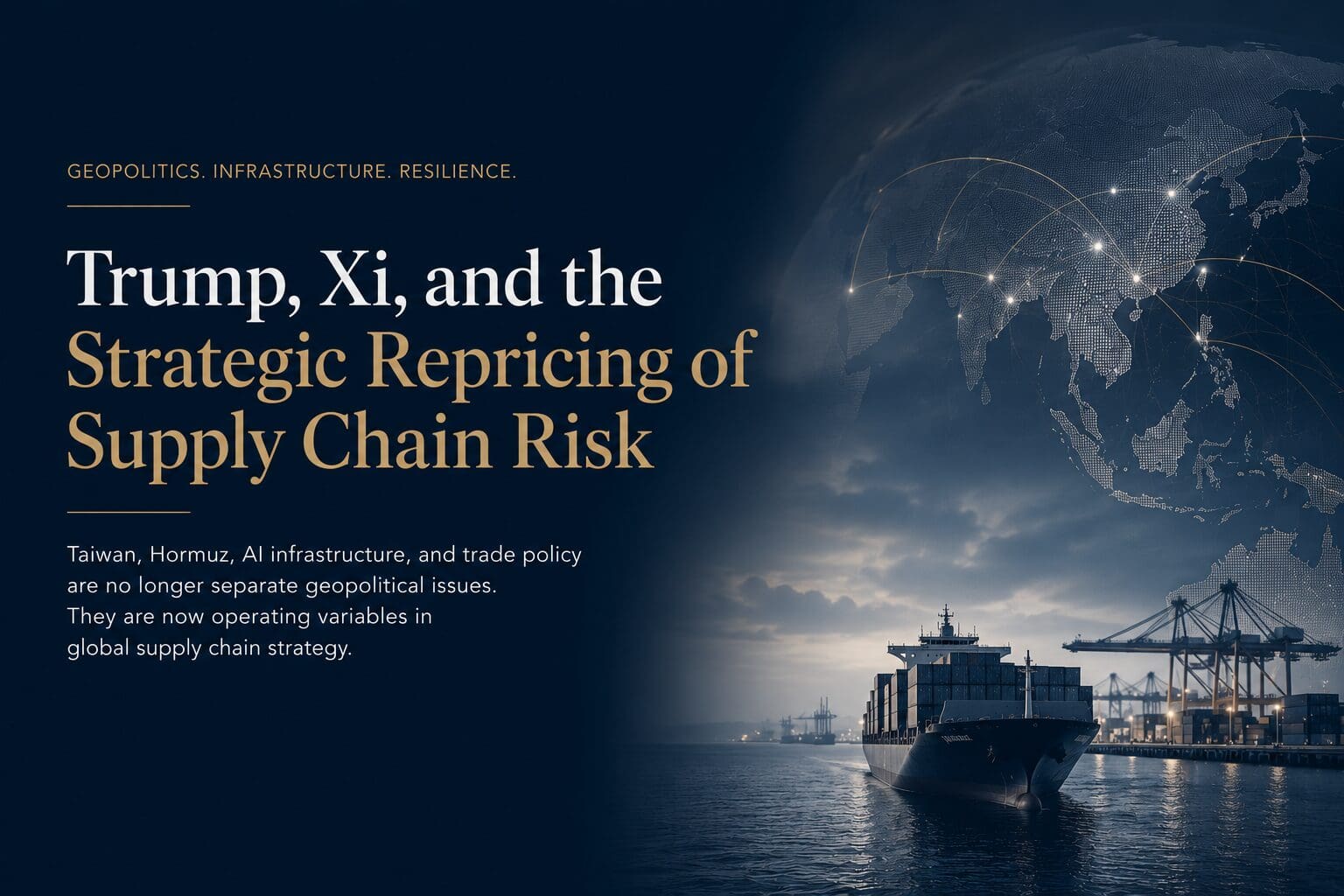
Pakistan, Qatar, Saudi Arabia, Egypt, and Turkey—a veritable United Nations of mediating powers—are all involved. This broad coalition isn’t accidental. It’s a proof to the fact that no single entity can solve this alone, and it mirrors the interconnected nature of modern supply chains. A disruption in one node, whether it’s a port in the Strait of Hormuz or a shipping lane in the South China Sea, sends ripples across the entire network. This mediation is a coordinated effort to stabilize that network.
Now, the million-dollar question: Will Iran sign? It’s a prickly point. Some in Tehran might feel they have the upper hand, a dangerous calculation in any negotiation. This is where AI could offer a different perspective—not just predicting outcomes, but perhaps providing objective, data-driven insights that cut through nationalistic fervor. But for now, it’s still very much a human game, a delicate dance of wills and interests.
Rubio’s insistence that Iran can never have a nuclear weapon is the bedrock demand. And it’s not just about the stockpile; it’s about future enrichment policies. Then there’s the Strait of Hormuz, Iran’s veiled threat to impose tolls. Imagine a supply chain manager facing a sudden, arbitrary toll on a critical artery—that’s the economic use Iran could wield. The demand is clear: no nuclear weapons, and no disruption to vital global trade routes.
This entire situation is a powerful, albeit terrifying, illustration of what’s at stake when global arteries get clogged. And as we stare down the barrel of AI’s potential to reshape everything from manufacturing floors to the very nature of negotiation, understanding these high-stakes geopolitical plays becomes even more critical. It’s not just about the immediate peace deal; it’s about the future architecture of global stability and commerce, an architecture that will undoubtedly be influenced, if not built, with the aid of advanced artificial intelligence.
Why Does This Matter for Supply Chain Professionals?
This isn’t just abstract foreign policy. The Strait of Hormuz is a critical chokepoint for oil and gas, and any instability there sends shockwaves through global energy markets. Those fluctuations directly impact shipping costs, raw material prices, and the overall cost of goods. A protracted conflict or even a tense standoff means increased insurance premiums for vessels, longer transit times due to rerouting, and a general air of unpredictability that drives up costs across the board. For supply chain managers, this isn’t a headline; it’s a direct threat to their bottom line and their ability to deliver products reliably.
Is This the End of US-Iran Tensions?
Unlikely. A deal here, if brokered, would be a significant step towards de-escalation, particularly concerning the immediate cessation of hostilities. However, the fundamental disagreements—Iran’s nuclear program, its regional influence, and U.S. sanctions—are deeply entrenched. This would likely be a temporary truce, a breathing spell to allow for more substantive, albeit still incredibly difficult, negotiations on these core issues. Think of it as patching a major leak in a ship, not rebuilding the entire hull.
🧬 Related Insights
- Read more: Warehouse Management Systems Compared: Top WMS Platforms and Features
- Read more: Trucker Training vs. Driverless Trucks: The Future of Freight
Frequently Asked Questions
What is Field Marshal Asim Munir’s role in this negotiation? Munir is the lead mediator, acting as Pakistan’s top envoy in efforts to broker a peace deal between the U.S. and Iran. His presence in Tehran suggests a crucial, high-level push to finalize an agreement.
What are the main objectives of this US-Iran deal attempt? The primary goals are to agree on an end to the current war and establish principles for further negotiations on a broader agreement, which would also address Iran’s nuclear program and regional security concerns.
How might instability in the Strait of Hormuz affect global supply chains? Disruptions or threats in the Strait of Hormuz, a vital shipping route, can lead to increased energy costs, higher shipping insurance premiums, potential rerouting of vessels, and overall unpredictability in the global market, directly impacting the cost and availability of goods.