Did you ever stop to think that moving your factory closer to home might just trade one set of headaches for another?
It’s a question many companies chasing the nearshoring dream are now awkwardly grappling with.
Look, the logic behind nearshoring is sound enough on paper. Ditch the globe-spanning, rickety supply chains. Bring production back to Mexico, back to the U.S., back to somewhere that doesn’t require a small fortune in customs brokers and an act of Congress to get a product delivered. Shorter lead times, less risk. Great. What could go wrong?
Everything, apparently.
The Illusion of Proximity
Nearshoring isn’t some magic wand that waves away supply chain problems. It’s more like a shell game. You shift the pressure, you relocate the risk. And right now, that pressure valve is squarely aimed at regional infrastructure. Suddenly, those gleaming new factories can’t get the power they need, the trucks can’t get through, and the border looks like a Black Friday sale gone wrong.
Factories Outpace Pavement
Here’s the brutal truth: you can build a factory in a year. You can probably get a new supplier vetted and onboarded within two. Infrastructure, however, plays by a different, agonizingly slow rulebook. Roads, rail lines, ports, power grids, water systems – these aren’t projects you kick off over lunch. They involve permits, mountains of financing, endless construction, and the joyful dance of coordinating public and private interests. The result? A lag. A big, fat, inconvenient lag.
Manufacturing capacity can often be added faster than the systems that support it.
So, while companies are tripping over themselves to set up shop in North America, the plumbing and wiring that keeps things running are still stuck in the planning phase. It’s not a national crisis yet, mind you. It’s worse. It’s a bunch of hyper-local choke points popping up like weeds in the garden of industrial expansion.
The Border Becomes the New Black Hole
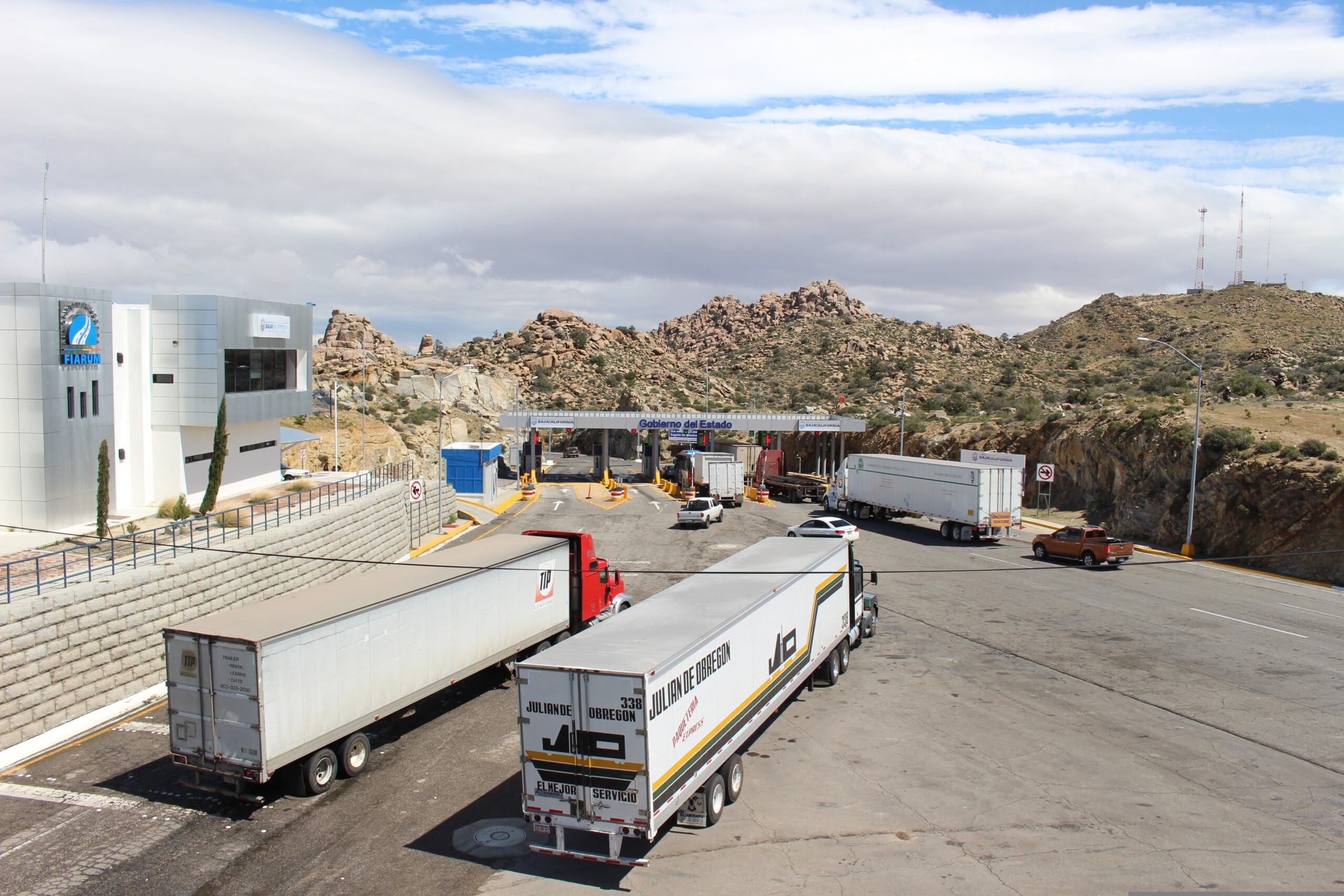
For the brave souls using Mexico as their manufacturing nexus for the U.S. market, the border isn’t just a line on a map anymore. It’s the single most critical junction in their entire supply chain. Forget the vast Pacific – the real dependency now lies with cross-border trucking, customs snarls, and whatever security checks are currently in vogue. Even a minor hiccup at a busy crossing can send meticulously planned shipments into a tailspin.
Think of Laredo. Think of the industrial corridors in Northern Mexico. Nearshoring shrinks the distance, sure. But it also forces an insane amount of freight through specific, often fragile, regional gateways. Increased reliance on border throughput. Sounds fun.
Rebalancing the Tracks
And it’s not just trucks. Nearshoring is actively rewriting freight patterns. Those long, predictable ocean voyages are being swapped for a cocktail of regional trucking and intermodal hauls. This puts a whole new kind of strain on north-south corridors, rail networks, inland ports, and the distribution centers that serve as their staging grounds. Some of these networks are perfectly capable of handling the new load. Many, frankly, were never designed for it. The logistics network is playing catch-up, and it’s losing.
The Labor Crunch is Real
Manufacturing needs people. Skilled people. And in many of the prime nearshoring regions – northern Mexico, parts of the southern U.S. – the demand for these workers is already outstripping supply. This isn’t just about hiring. It impacts training, productivity, and whether operations can run consistently day in and day out. A location might look like a steal on paper, but if there aren’t enough workers to keep the machines running, the cost advantage evaporates faster than a politician’s promise.
Powering Down the Dream?
And then there’s the electricity. And the water. And the basic utilities that keep everything humming. In some of these rapidly growing industrial zones, these systems are already groaning under the pressure. Energy reliability, grid capacity, water availability – these are no longer afterthoughts. They’re deal-breakers. Especially for industries that eat electricity for breakfast or for those automated, digitized facilities with zero tolerance for disruption.
Inventory: Not Dead, Just… Different
The promise of nearshoring was simpler inventory. Shorter lead times, less need for massive safety stock. And in some cases, that holds true. But here’s the kicker: variability at the border, transit delays, labor shortages, and general infrastructure wonkiness can introduce a whole new kind of uncertainty. So, companies might still need that buffer. It’s just shifted its purpose. Instead of guarding against a 6-week ocean journey, it’s now protecting against the local traffic jam or the power outage.
The Takeaway: Local Problems, Not Global Ones
Global supply chain headaches were once about distant ports and long hauls. Nearshoring is reshaping that narrative. The new bottlenecks are decidedly more local. We’re talking border congestion, regional transit limitations, and yes, the sheer inability of local infrastructure to keep pace with ambitious manufacturing plans. It’s a stark reminder that proximity is only one piece of the puzzle.