So, when did hauling freight across borders become a visa-killing offense?
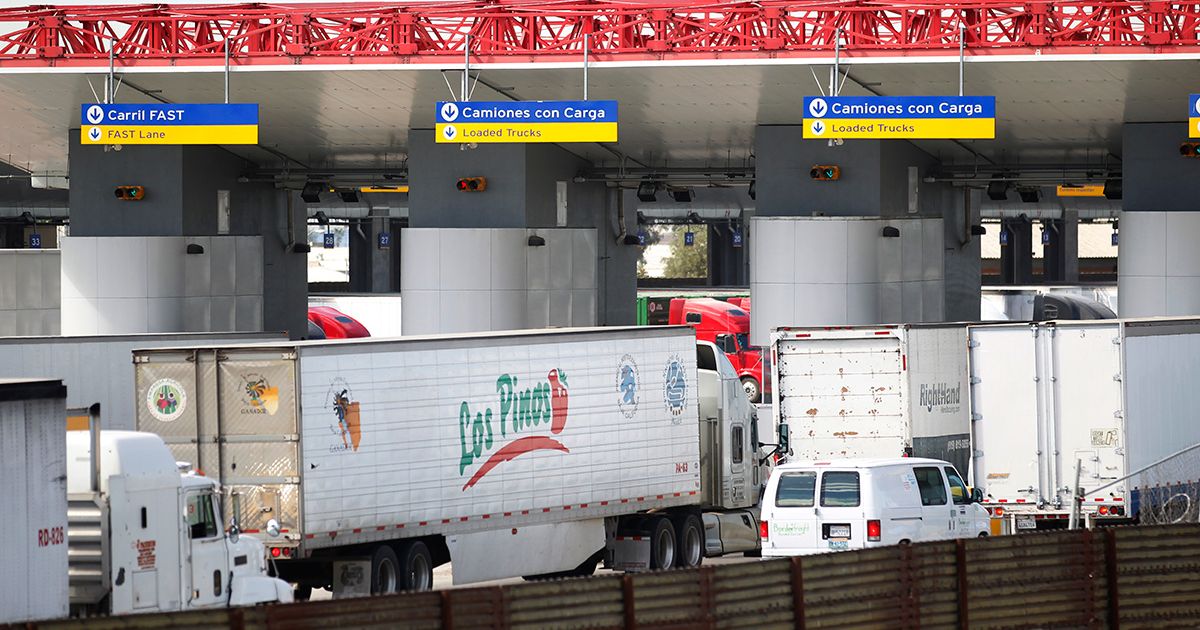
Apparently, it’s happening now. U.S. Customs and Border Protection (CBP) has decided to get serious about cabotage. And by ‘serious,’ they mean yanking hundreds of visas from Mexican truck drivers. This isn’t some gentle reminder; it’s a full-blown dragnet, and the supply chain’s about to feel the pinch.
Cabotage. It’s that one law that says you can’t ferry goods around inside the U.S. if you’re not a U.S.-domiciled carrier. Simple enough, right? Mexican drivers with B-1 visitor visas can drive into the U.S., drop off their foreign cargo, and then what? Go home. They’re absolutely forbidden from picking up U.S. domestic loads. Even if the stuff originally came from Mexico.
This isn’t new, mind you. But suddenly, CBP’s apparently decided to dust off old violations, sometimes going back three years. The Otay Mesa Chamber of Commerce, right there on California’s busiest border crossing, issued a stark warning. They said hundreds of visas have been revoked in just a few days. You think that won’t cause problems?
“Hundreds of visas for Mexican drivers have been revoked in the past few days across the U.S. Mexico border,” the Otay Mesa Chamber of Commerce cautioned April 29. “Apparently, drivers are being scrutinized for past violations that can go back as long as three years.”
CBP? Crickets. They haven’t exactly been falling over themselves to explain. But the Chamber’s got more intel. They pointed out another tripping hazard: B-1 visa holders can’t just waltz across for unrelated business or, worse, without their rig. It seems even visiting family might be a no-go if they’re sniffing around the trucking business.
The Cost of Enforcement
This whole crackdown is supposed to protect American truckers. Allegedly. Because foreign drivers doing domestic hauls allegedly undercut the ‘good guys.’ But let’s call a spade a spade: this feels less like protecting workers and more like a punitive measure. And the consequences? Predictable. Delays. Higher costs. The Chamber wasn’t shy about predicting it: expect border backups and pricier trucking services thanks to a sudden driver shortage.
We’ve already seen the headlines. Arizona. California. CBP agents nabbing drivers, seizing trucks, and making those visas disappear. One guy was caught hauling goods a staggering 940 miles from Nogales, Arizona, to Laredo, Texas. His visa? Gone. The trailer? Towed. CBP’s message is clear, if shouted from the rooftops: “Cabotage laws are not optional and violations can be costly.”
Another incident in California involved a driver hauling produce 1,250 miles from Yuma, Arizona, to Grandview, Washington. Entered on a B-1/B-2 visa. Arrested for violating its terms. Processed for deportation. The visa, obviously, revoked. It’s a bit… heavy-handed, isn’t it?
This whole saga feels like a symptom of something larger. For years, the trucking industry has been a political football. On one side, you have calls for more drivers, easier cross-border movement. On the other, cries to protect domestic jobs. CBP’s sudden zeal might be an attempt to appease one faction, but it’s hitting the most vulnerable link: the cross-border driver.
What’s truly galling is the timing. As supply chains still flex and strain from recent global upheavals, the U.S. decides now is the perfect moment to tighten the screws on a critical transit artery. It’s like a doctor deciding to lance a boil during surgery. Unnecessary, disruptive, and frankly, a bit daft.
This isn’t about playing fair; it’s about wielding power. And when power is wielded this clumsily, everyone else pays the price. The long-haul freight between the U.S. and Mexico isn’t just cargo; it’s the lifeblood of businesses on both sides. Disrupting that flow over what amounts to bureaucratic overreach is, frankly, idiotic.
The Great American Trucking Federation, a group that’s been lobbying for stricter cabotage enforcement, has been relatively quiet. Perhaps they’re savoring the moment. Or maybe they know this isn’t about them, but about a government agency making a statement.
Will this crackdown actually improve the lot of American truckers in the long run? Unlikely. It’s more probable that it creates short-term chaos and eventually leads to creative workarounds. Or perhaps, simply, higher prices for everyone. Because that’s what happens when you choke a supply line. You pay more for the privilege of slow delivery.
And what about those hundreds of drivers? Their livelihoods, disrupted. Their ability to cross borders, gone. All for what? A decades-old law suddenly being weaponized. It’s a stark reminder that in the world of global trade, the rules can change, and the penalties can be severe, even for activities that were once considered standard operating procedure.
This isn’t just about visas; it’s about policy, enforcement, and the very real impact on businesses that rely on efficient cross-border trucking. The U.S. is learning, or perhaps re-learning, that trade is a delicate dance. And tripping up your partners usually just makes everyone fall.
Is This Just a Slap on the Wrist?
It’s easy to see this as a temporary fix. CBP is flexing its muscles, making a show of enforcement. But the real question is whether this will translate into sustainable, fair practices or just another cycle of crackdowns and eventual leniency. History suggests the latter. The real winners here are the consultants who will help companies navigate this new minefield, and perhaps the trucking companies that can afford to wait out the storm.
What Happens Now?
Expect more alerts. More warnings. And, inevitably, more delays and higher shipping costs. This isn’t a problem that resolves itself overnight. It requires a nuanced approach, not a blunt instrument like visa revocation. But then again, nuance rarely makes for dramatic headlines or strong talking points.
🧬 Related Insights
- Read more: Violent Crime Drops Sharply in Big Cities: 2026 Data Confounds Politics
- Read more: What is a Bill of Lading?
Frequently Asked Questions
What exactly is cabotage? Cabotage refers to the transport of goods or passengers between two points within a country by a foreign carrier or driver. In the U.S., this is generally restricted to domestic carriers.
Why is the U.S. cracking down on Mexican truckers now? The U.S. Customs and Border Protection (CBP) appears to be intensifying enforcement of existing cabotage laws, possibly in response to lobbying or a desire to address perceived unfair competition.
Will this increase trucking costs? Yes, industry groups like the Otay Mesa Chamber of Commerce predict that the visa revocations and potential driver shortage will lead to increased trucking costs and border delays.