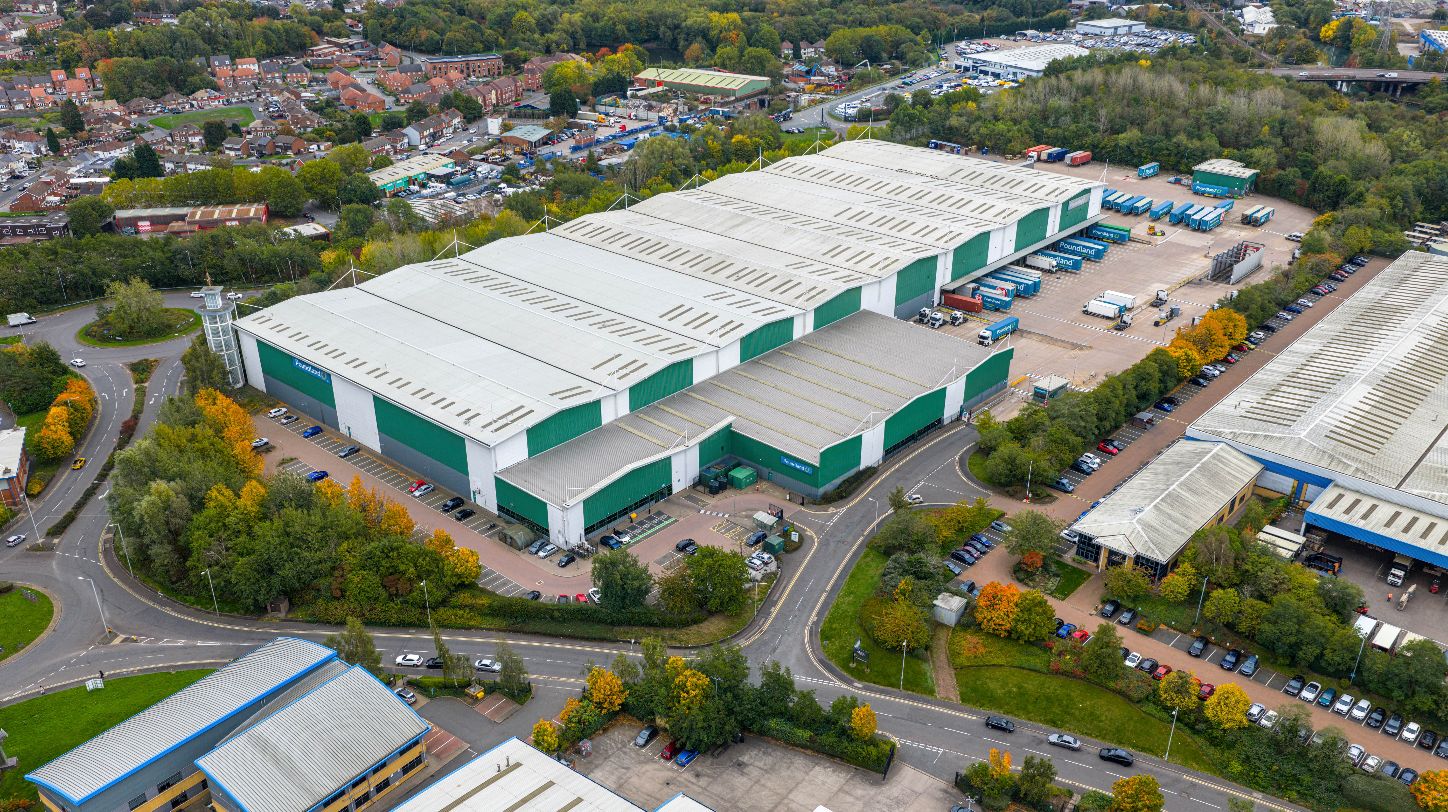
The air near Longbridge hums with a different kind of engine now. Forget the roar of internal combustion; this is the steady thrum of excavators and the clang of steel. Indurent Park Longbridge has officially entered its final construction phase, a move that signals more than just the completion of buildings. It’s a quiet assertion of renewed industrial purpose on a site steeped in British automotive legend.
This isn’t just another industrial estate popping up. We’re talking about a c.340,000ft² scheme on the very soil where iconic vehicles like the Mini and the Austin 7 once rolled off the production line. Imagine that – the ghosts of British manufacturing past providing the foundation for its future. Planning snagged approval late in 2025, and by early 2026, contractors were on the ground, tasked with erecting thirteen high-quality, multi-let industrial and logistics units, each sporting a slick veneer of modern ancillary office space.
But here’s where it gets interesting: the sheer scale of the investment. We’re not just talking about bricks and mortar. A cool £30 million is slated to transform this former automotive heartland into a hub for modern industrial employment. The PR spin, of course, is all about jobs, skills, and long-term economic growth. And while skepticism is healthy—especially when a site has sat dormant for years—the figures are hard to ignore.
Once this behemoth is complete, Indurent projects a substantial 590 full-time jobs will be created, alongside 280 roles during the construction period. Beyond the immediate payroll, there’s a stated commitment to local training and skills development. This isn’t merely about occupying space; it’s about repopulating it with human capital.
Is This Just Another Regeneration Story?
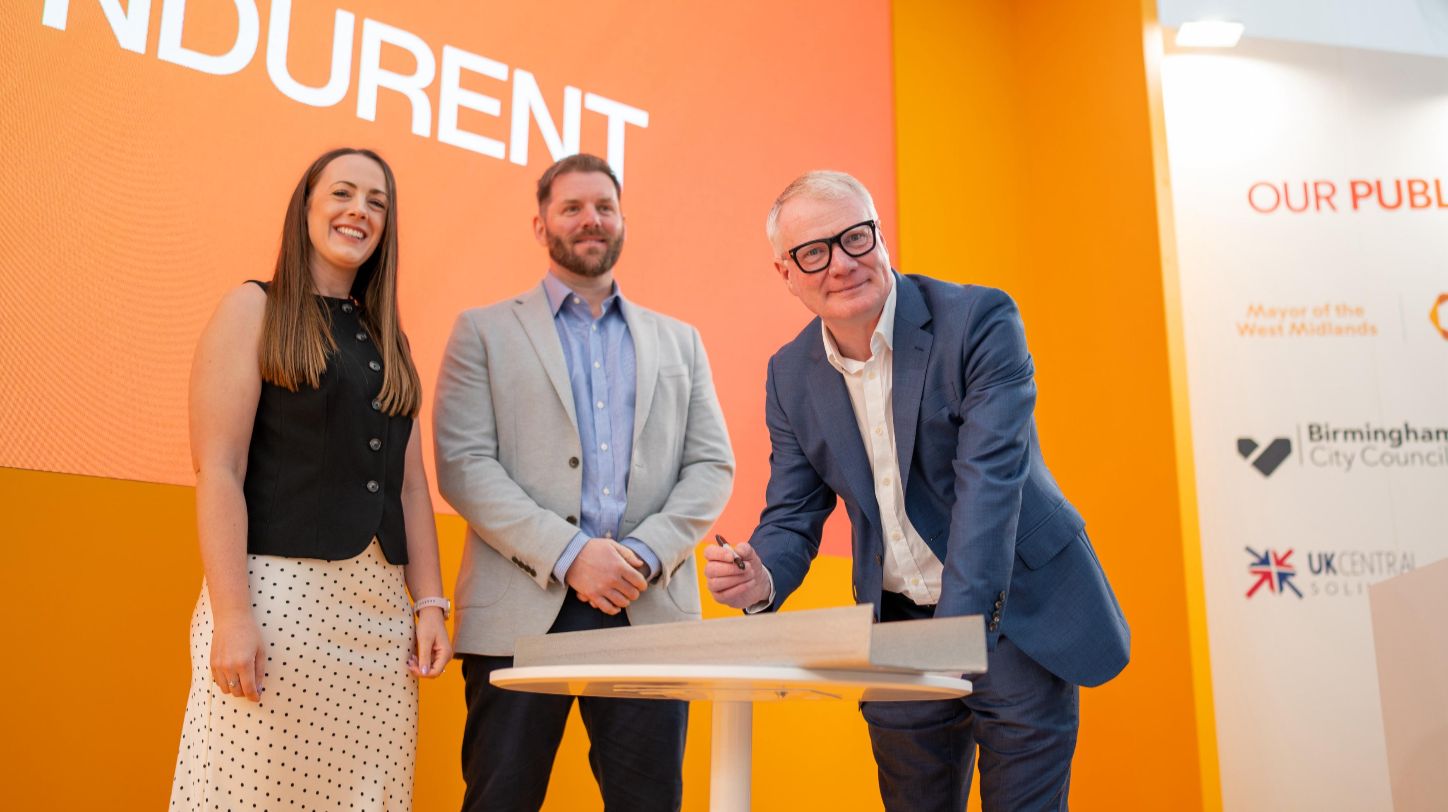
Richard Parker, the West Midlands mayor, waxed lyrical about the development, calling it “another milestone in the regeneration of this once iconic site.” He emphasized its role in continuing the “proud industrial heritage” while churning out “good quality jobs.” His sentiment, however, drifts into a more pointed observation: “This land stood derelict for too many years following the collapse of Rover, but now, thanks to investment from Indurent and others, it is being brought back to life with hundreds of new homes and workspaces for the benefit of the local community.”
And that’s the crux, isn’t it? The collapse of Rover left a gaping wound in the industrial fabric of the region. For years, this vast site, once a symbol of British ingenuity, lay fallow. Indurent’s move isn’t just about filling a void; it’s about a deliberate architectural shift in how we conceive of industrial land in the post-manufacturing era. It’s a pragmatic reclamation, swapping car assembly lines for fulfillment centers and light industrial workshops.
The underlying strategy here feels less like sentimental resurrection and more like a shrewd real estate play. The demand for industrial and logistics space, particularly in well-connected, historically industrial areas, remains voracious. Indurent isn’t just building units; they’re tapping into a fundamental structural shift in the global economy where the physical movement of goods, enabled by e-commerce, requires a sophisticated network of accessible, modern facilities. The location, the scale, and the stated investment point to a long-term vision for revitalizing a space, not just superficially, but functionally.
It’s a fascinating parallel to draw, in a way, to the very industries that once thrived here. Just as the automotive sector evolved with new technologies and production methods, so too must the industrial real estate sector adapt. The shift from monolithic manufacturing plants to flexible, multi-let units reflects a broader trend towards modularity and specialization in how businesses operate and how goods are distributed. Indurent Park Longbridge represents the newest iteration of this evolution, repurposing a symbol of industrial decline into a beacon of logistical prowess.
What’s the True Impact of This Development?
Beyond the headline job numbers and the £30 million investment, the deeper architectural shift at play here is the intelligent repurposing of legacy industrial sites. These aren’t just empty fields; they’re plots with existing infrastructure, strategic locations, and a storied past that, while perhaps not directly invoked, contributes to a sense of established connectivity. For a company like Indurent, it’s about capitalizing on the inertia of pre-existing industrial zoning and transport links, layering modern logistics needs onto a strong historical foundation. It’s the supply chain equivalent of adaptive reuse in architecture.
This final phase isn’t just about putting up walls; it’s about locking in the future utility of a site that has seen more than its fair share of decline. The focus on multi-let units suggests a strategy to cater to a diverse range of businesses, from e-commerce giants to smaller, agile logistics providers, all vying for prime space in a revitalized industrial ecosystem.
🧬 Related Insights
- Read more: Visas Vanish: Mexican Truckers Caught in Cabotage Dragnet
- Read more: Manhattan’s AI Tool Cracks Supply Chain Black Box
Frequently Asked Questions
Will this create jobs?
Yes, the development is projected to create 590 full-time jobs upon completion, in addition to 280 roles during the construction period.
What was on this site before?
The site was formerly the MG Rover car manufacturing plant, a historic location for British automotive production.
How much investment is going into this project?
£30 million of investment is being directed towards delivering modern industrial employment space.