And just like that, the meticulously planned ballet of global shipping hits a jarring snag. Ships rerouted. Cargo plans scrambled. All because the docks at India’s Nhava Sheva Port (JNPA) have become a clogged artery, forcing carriers to make frantic, last-minute terminal shuffles.
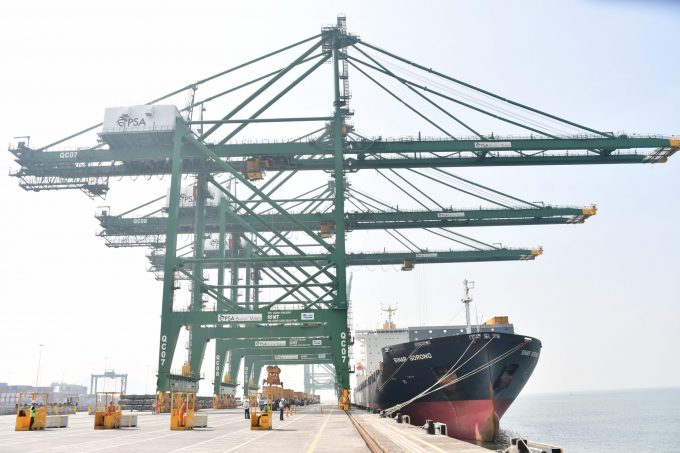
This isn’t just a minor hiccup; it’s a symptom of a deeper strain on port infrastructure. Maersk, a titan in ocean freight, has just declared ad-hoc berthing for two upcoming MECL voyages. Instead of their usual slot at DP World Nhava Sheva (NSICT), the Maersk Kensington and Clementine Maersk are now slated to pull into the berths at PSA Mumbai (BMCT), the port’s capacity king.
Here’s the thing: these aren’t decisions made lightly. They’re born from necessity, from the sheer, unadulterated pressure cooker environment that JNPA has become. Terminal sources whisper about “yard space issues” at NSICT, a polite way of saying the place is overflowing. Maersk needs to clear out the backlog – mostly empty containers, the ghosts of shipments past – before new cargo can even think about landing.
Think of it like this: you’ve meticulously packed your luggage for a trip, laid it all out, ready to go. Then, suddenly, your hotel tells you your reserved room is double-booked and you’ve got to find another one across town, right now. All your carefully arranged clothes might not fit. The location might be inconvenient. Your carefully budgeted arrival time? Out the window.
This chaos trickles down, of course. Shippers, the lifeblood of these export services, are left wrestling with altered cargo plans. And don’t even get me started on Terminal Handling Charges (THCs). They’re like variable parking fees – what you budgeted for might suddenly change based on which lot your truck ends up in. A few percentage points here and there can add up, eating into already thin margins.
The MECL service, a critical westbound artery for Indian exporters heading to North America, is now sailing through choppy waters. JNPA has been a hotbed of disruption, a place where gate-in and gate-out operations have been sputtering for weeks. And guess what? The blame game is in full swing, with everyone from terminal operators to port authorities pointing fingers.
Beyond the Dock: Trucking Woes and Rail Hopes
And if the ships aren’t the only problem, the trucks are too. Trucking delays persist, adding another layer of molasses to the movement of goods. But PSA Mumbai, bless its strategic heart, is actively trying to inject some sanity by pushing for a greater reliance on rail. They’ve inked a deal with Container Corp of India (Concor) to boost the volume of freight moved by train.
“PSA Mumbai is trying to shift more freight from trucks to the rail side. Last week, the operator signed a memorandum of understanding with rail company Container Corp of India (Concor) to expand the share of volumes moved by train. This will “pave the way for collaboration between Concor and PSA on development of multimodal products to strengthen connectivity and support efficient cargo movements between ports and hinterland locations across India”, reported the rail logistics giant.”
This collaboration is timely, as officialdom is putting the finishing touches on launching regular train services between northern Indian inland container depots and JNPA, leveraging the dedicated freight corridor (DFC) network. It’s a glimmer of hope in what’s otherwise a rather grim operational landscape.
JNPA itself isn’t sitting idly by. They’re also trying to implement smoother cargo flows. A new standard operating procedure is on the table, aiming for quicker container clearances. The authority’s talking about a co-ordinated system with Customs, terminal operators, freight stations, and transport companies to pull import containers out of terminals en bloc and move them to specific freight stations that are currently drowning in pending shipments. It’s a move towards a more streamlined, almost automated, approach to clearing the decks.
Is This a Sign of Deeper Cracks?
But here’s the unique insight that sticks with me: this isn’t just about JNPA’s current congestion. This is the canary in the coal mine for the global supply chain. We’re seeing an acceleration of a trend that’s been simmering for years – the increasing fragility of our interconnected logistics networks. AI, the platform shift I’ve been evangelizing, is supposed to help us predict and mitigate these very issues, yet here we are, watching old-school physical bottlenecks cause havoc.
The ability for carriers to make such drastic, last-minute shifts suggests that the buffer in the system—the slack we used to rely on—has been completely eroded. It’s like running a marathon with absolutely no reserve energy; one wrong step and you’re out. While the rail initiatives and new SOPs at JNPA are positive steps, they feel like band-aids on a deeper wound. The fundamental question remains: are our ports and logistics hubs truly built for the scale and speed of modern global trade, or are we perpetually one major disruption away from this kind of chaos?
This reactive shuffling, while necessary, highlights a critical vulnerability. It’s a stark reminder that while we’re excited about predictive AI and autonomous ships, the physical infrastructure—the actual concrete and cranes—can still be the Achilles’ heel. We need smarter, more resilient physical systems, not just smarter digital ones.
And the implications for shippers? Uncertainty. Higher costs. And the constant, gnawing worry that their carefully crafted global plans can be upended by a few inches of water and a bad tide of container backlogs. It’s a challenging time, but it’s also a moment of profound realization about where true resilience lies.
🧬 Related Insights
- Read more: El Niño Eyes Panama Canal: Shipping’s Next Drought Disaster?
- Read more: Dry Electrode Batteries: 40% Cost Slash or EV Pipe Dream?
Frequently Asked Questions
What is JNPA?
JNPA stands for Jawaharlal Nehru Port Authority, India’s largest container port, located near Mumbai. It’s a critical hub for international trade.
Why are carriers changing terminals at JNPA?
Carriers are changing terminals due to severe congestion and yard space issues at their usual berths within JNPA, leading to delays and backlogs.
How does this affect shippers?
Shippers face challenges with cargo planning, potential changes in shipping schedules, and possible increases in terminal handling charges (THCs) due to these last-minute shifts.