The smell of jet fuel used to be the perfume of progress. Now, for some of the biggest names in air cargo, it’s just the scent of a really expensive problem.
We’re talking about the freight market, folks. It’s not exactly in the toilet anymore, but let’s just say the champagne’s been replaced with lukewarm coffee and a bill that’s higher than last year. And the culprit? Well, it’s a mix of supply chain headaches and, as usual, a healthy dose of corporate indecision, particularly when it comes to getting their hands on shiny new planes.
The Great Plane Debate
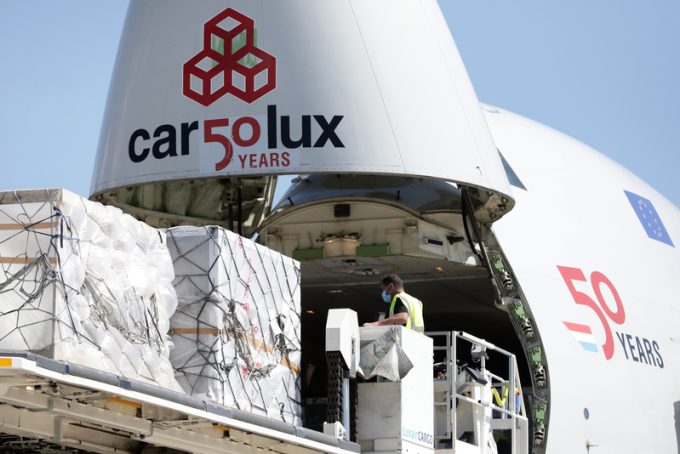
Look, when you’ve got a company like Boeing tripping over its own shoelaces with delivery dates that keep sliding further into the future – we’re talking 2027 turning into 2029 for Cargolux’s new 777-8Fs – you’ve got a problem. Richard Forson, the chief executive over at Cargolux, basically admitted as much. He’s stuck evaluating interim capacity because his shiny new Boeing jets aren’t showing up when promised. And he’s adamant that mixing Airbus and Boeing isn’t worth the headache for an outfit his size. Smart move, for him. But it highlights a gaping chasm opening up in the freighter world.
On one side, you have the loyalists, the ones who are still waiting, patiently (or not so patiently) for their Boeing 777-8Fs. On the other? The pragmatists, or maybe the opportunists, who are swinging for the fences with Airbus’s A350F. Atlas Air, for instance, just dropped a massive order – 20 A350Fs. They’re practically first in line for early delivery slots, which, considering how tight replacement freighter capacity is getting, is a pretty sweet deal. Makes you wonder who’s making the real money here – the plane manufacturers with their excuses, or the airlines with the foresight (or luck) to get in early.
AI: The New Kingmaker (and Space Hog)
So, why the sudden scramble for bigger planes? Blame it on Artificial Intelligence. No, seriously. Flexport dropped a webinar bomb recently, revealing that AI infrastructure – all those servers and blinking lights – accounted for a whopping 15% of air cargo demand growth last year. And it’s ballooning at nearly 50% annually. They’re calling it the next big thing, potentially eclipsing e-commerce as the primary driver of freight demand. Sounds like a lot of buzzwords, but the numbers don’t lie.
These AI server racks are getting monstrous. What used to be eight-foot-tall behemoths are now nine feet and growing. That’s creating serious “cramps on direct capacity” on crucial routes, like Taiwan to the US and China to the US. And guess what kind of aircraft these giant racks increasingly require? The big, old four-engine freighters, like the 747Fs. The very same planes that are getting older, more expensive to run, and harder to replace.
This creates a twisted logic: demand for the biggest cargo haulers is spiking just as the supply of new aircraft dwindles and older planes become economic albatrosses. IBA, another consultancy, threw some cold water on the feedstock situation, stating widebody freighter supply will be constrained for the rest of the decade. Why? Because Boeing’s passenger 777-9 delays mean those older 777-300ERs, which would have been prime candidates for freighter conversion, are stuck flying passengers for longer. Effectively, Boeing’s screw-ups are giving older planes seven extra years of life – life at an increasingly hefty operating cost.
For the first time since 2009, widebody freighter conversions had exceeded narrowbody conversions, reflecting strong demand for larger long-haul cargo aircraft.
Meanwhile, international cargo traffic in the Middle East has taken a nosedive since March, with rates still running about 36% higher than last year, thanks to disruptions and, you guessed it, higher fuel costs. The consultancy warns margins are being squeezed on those four-engine aircraft.
Yet, what choice do they have? Forson admits that even the aging MD-11Fs are still pulling their weight. If there’s a shortage of capacity or too much demand, all the aircraft will keep flying. It’s a desperate measure, but it’s also a sign of the market’s current reality: a split between airlines trying to keep their fleets simple and those just trying to get any plane in the air, regardless of the brand.
With AI infrastructure growth accelerating, the pressure on these big widebody freighters is only going to intensify. And this is all happening before the next generation of aircraft even has a firm delivery date. It’s a tough spot to be in, and one that’s making a lot of companies a lot of money by selling capacity, even if it’s just keeping old workhorses flying.
Who’s Actually Making Money?
Let’s cut through the fluff. Boeing is making money selling planes, even if they’re delayed. Airbus is making money selling their A350Fs to airlines getting impatient with Boeing. Aircraft conversion companies are making money turning passenger planes into freighters. And the airlines that manage to secure capacity – whether new or old – are making money by charging a premium for shipping goods, especially those high-priority AI components. The real losers here? The companies that need to ship things and are getting caught in the middle of this aerial poker game, paying inflated prices.
Will This Affect My Shipments?
Expect continued volatility and potentially higher costs for air cargo shipments. The tight capacity, especially for larger freight, means delays and increased prices are likely to persist until new aircraft become widely available and operational. This could impact delivery times for everything from consumer electronics to critical business components.
Is the Market Shifting Away from Boeing?
While some carriers are hedging their bets with Airbus orders due to Boeing’s delays, it’s too early to say the market is definitively shifting away. Many large cargo operators, like Cargolux, still prioritize fleet commonality and remain committed to Boeing. However, the increasing number of Airbus A350F orders signals a growing willingness among some to explore alternatives to secure timely capacity.
Why Are AI Servers Driving Air Cargo Demand?
AI infrastructure requires specialized, high-density computing equipment, including large server racks. These components are often time-sensitive and require rapid, secure transport, making air cargo the preferred method. The sheer size and weight of modern server racks also necessitate the use of larger, widebody freighters, contributing significantly to the demand for these specific aircraft types.