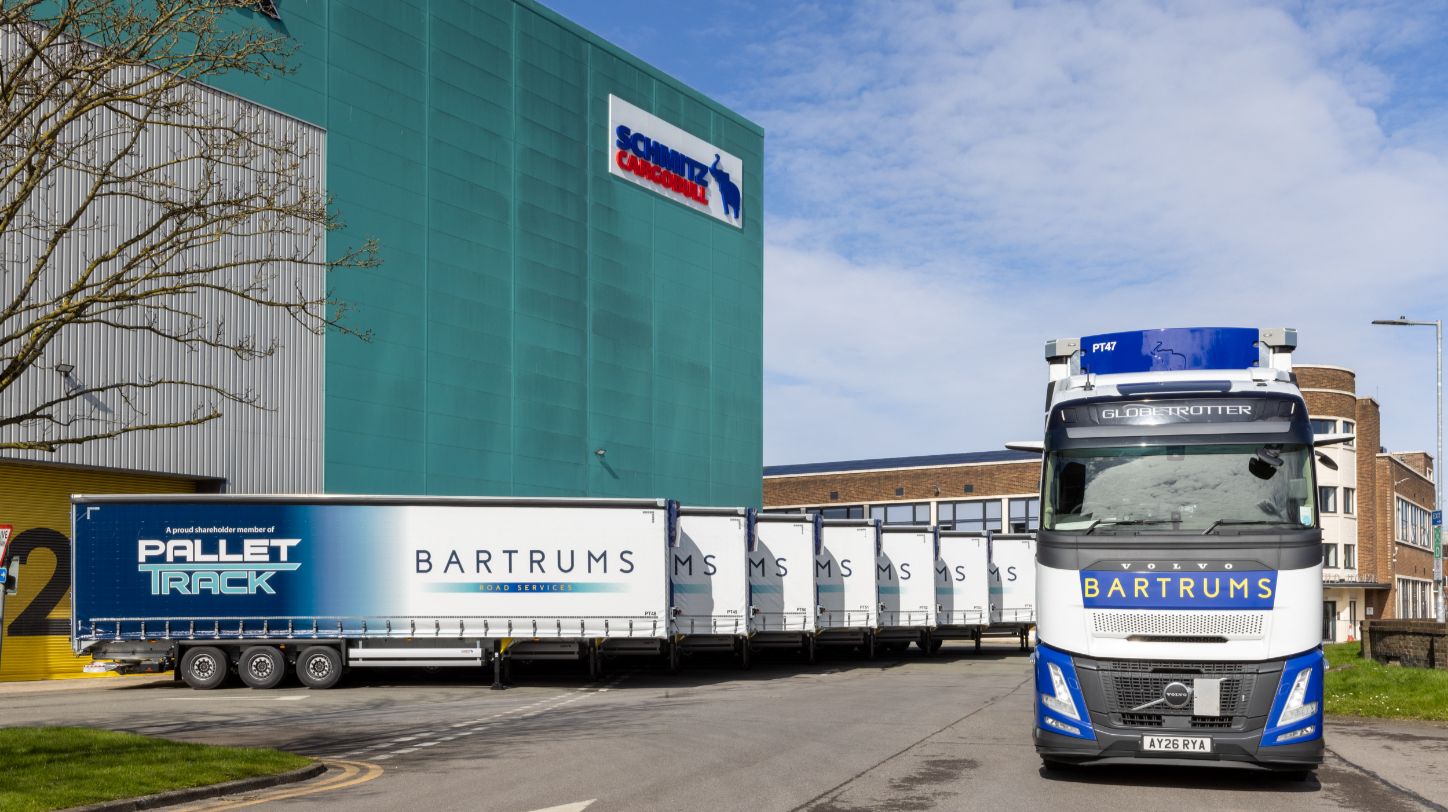
For the average consumer, the hum of a new electric truck rolling down the highway might not seem like much. But for businesses that rely on those trucks to deliver everything from groceries to widgets, this subtle shift is a seismic event. Bartrums, a logistics outfit in Suffolk, just dropped £4 million into its fleet, and while some of that dough is for shiny new trailers — 15 of them, to be exact — the real story here is the underlying commitment to electrification.
Let’s be clear: This isn’t just about adding a few more vehicles to a roster that already exceeds 200. This is a substantial capital expenditure earmarked for upgrading their entire operation. The £4 million figure is significant, especially when you consider it’s dedicated to both fleet modernization and, crucially, the creation of a state-of-the-art electric vehicle charging facility. That latter part is where the real transformation happens, because without reliable, fast charging infrastructure, those shiny new electric trucks are just expensive paperweights.
Is This Just Greenwashing on Wheels?
Bartrums operations director, Tremayne Johnson, waxed poetic about the dual-branded trailers, proudly noting their founding membership in the Pallet Track network since 2004. “Our membership of Pallet Track is absolutely integral to our overall portfolio of services and our significant investment into these trailers makes us really happy,” he stated. Look, it’s great to see companies celebrating their long-standing partnerships. But let’s focus on the substance. The 15 new trailers, 12 of which hail from the German powerhouse Schmitz Cargobull, are high-spec. That’s good. But are they electric? The article mentions an EV charging facility, which implies the trailers themselves might be electric, or at least the tractors pulling them. The original article lacks explicit confirmation that the trailers themselves are electric, which is a key detail for a piece about fleet expansion and sustainability. If they’re just new diesel trailers added to the fleet while the charging station is built for future electric tractors, that’s a different story entirely.
This investment, positioning Bartrums as a founding member of Pallet Track, is a visible demonstration of their alliance. They want their customers to see these dual-branded units, to raise awareness. Fine. But the real awareness we should be aiming for is a reduction in carbon emissions. The £4 million investment, as stated, includes the charging facility. This suggests a genuine intent to transition. However, without knowing the powertrain of these 15 new trailers, the “electric logistics fleet” headline feels a tad premature. It’s like announcing you’re running a marathon because you bought new running shoes.
The Pallet Network Play
Bartrums’ strategic alignment with Pallet Track isn’t just about branding. It’s about operational efficiency. As a founding member, Bartrums is deeply integrated into the network’s hub-and-spoke model. This latest expansion, including the new trailers and the investment in charging infrastructure, is designed to bolster their role within that network. The goal is clearly to handle more volume, more efficiently, and with a nod towards environmental responsibility. This isn’t just about Bartrums; it’s about how their investments ripple through the broader logistics ecosystem that relies on pallet networks. If Bartrums can demonstrate a more sustainable way to operate within this established framework, it sets a precedent.
This move into electrification, even if it’s still in its early stages (pending clarity on the trailers’ power source), positions Bartrums ahead of the curve. Many logistics companies are still grappling with the high upfront cost of EVs and the challenges of building out charging capabilities. Bartrums is tackling both head-on, or at least appears to be. Their £4 million commitment isn’t pocket change; it’s a clear signal that they believe in the future of electric logistics and are willing to invest to get there. The real test will be the rollout and adoption rate of these electric vehicles and the subsequent reduction in their carbon footprint over time. It’s a marathon, not a sprint, and Bartrums has just laced up its shoes.