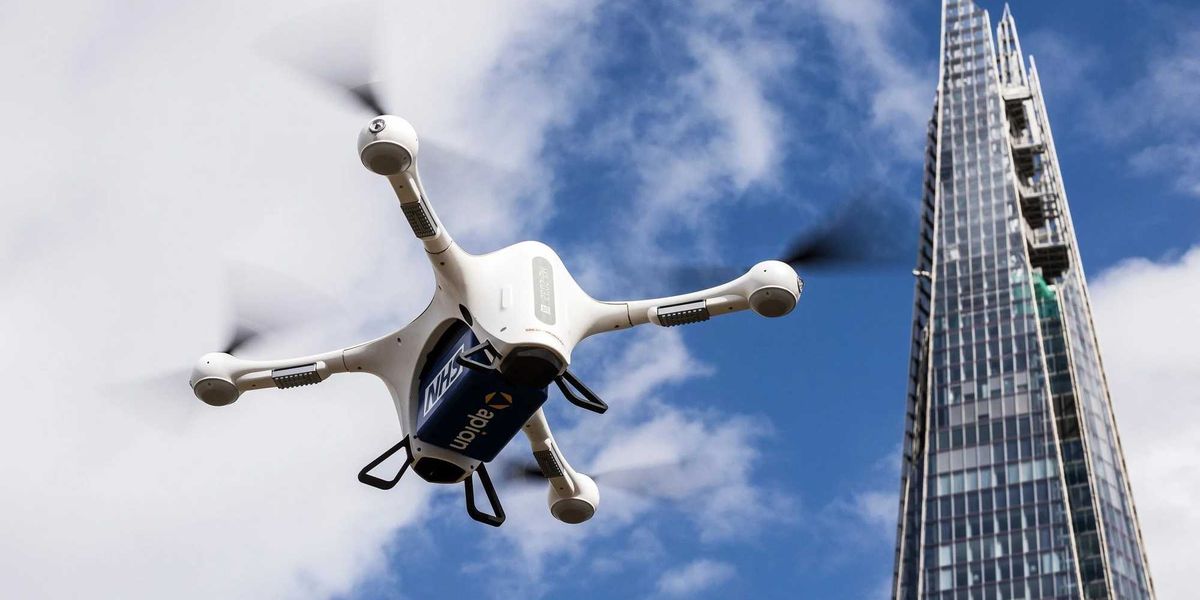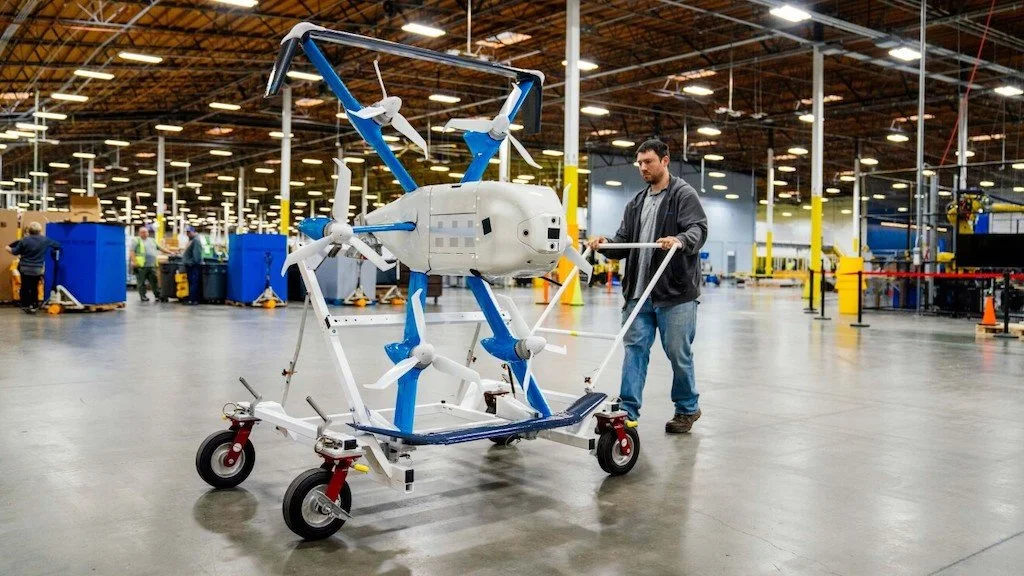
So, Amazon’s Prime Air drones are officially delivering parcels in the UK. Specifically, in Darlington, County Durham. Imagine, if you will, a little drone zipping through the sky, carrying your new USB cable or, you know, organic fair-trade chamomile tea bags. It’s all happening within a 7.5-mile radius, for packages under 2.2kg. This isn’t exactly the stuff of sci-fi epics, but for Amazon, it’s another step, another data point, another shiny press release.
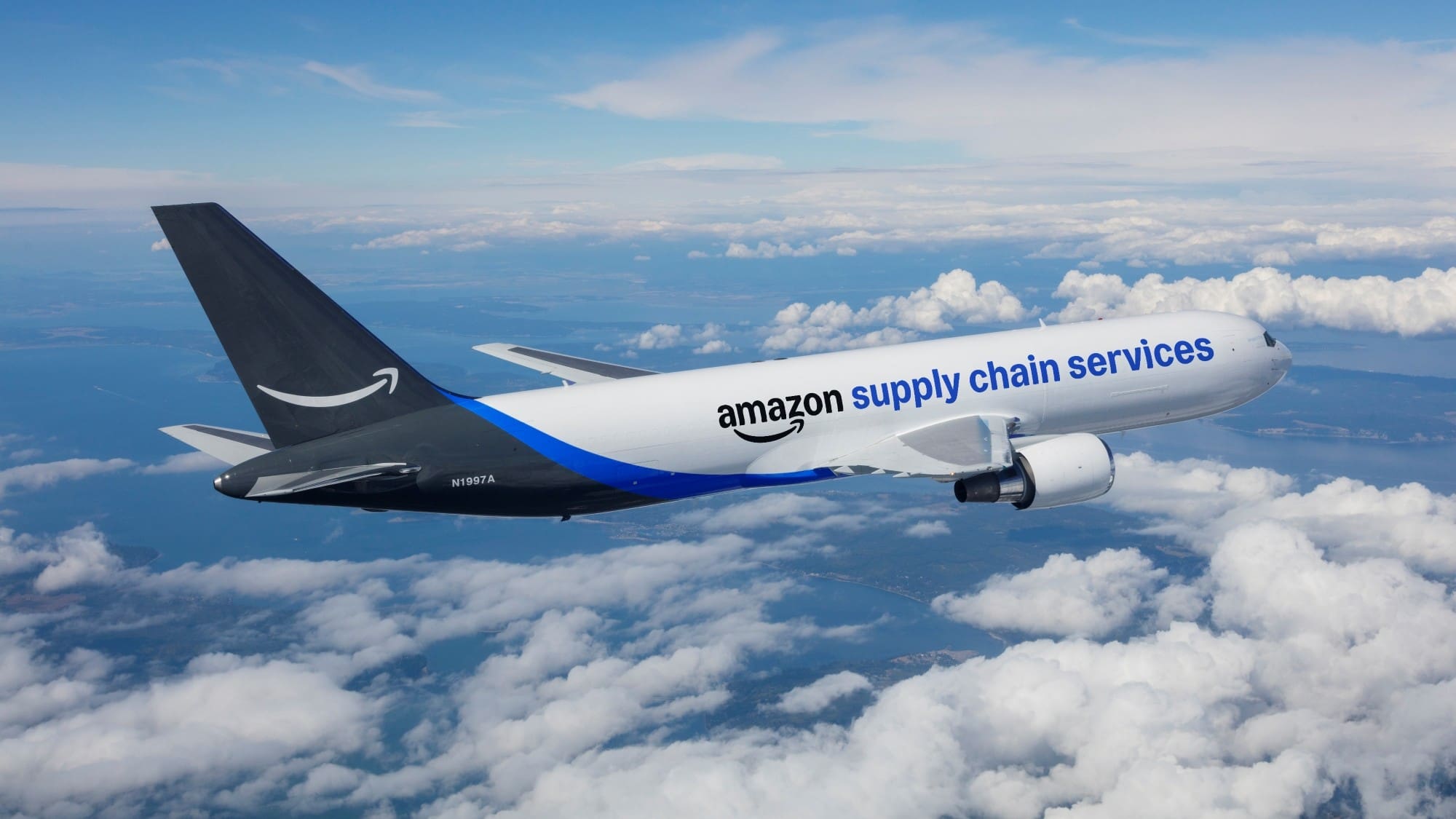
This launch follows their recent push with Amazon Supply Chain Services (ASCS) in the US, a move that sounds suspiciously like they’re just formalizing what they’ve been doing internally for years to power their own retail empire. The company’s stated aim is, of course, to slash delivery times and supercharge last-mile efficiency. Standard corporate speak for “make it faster and cheaper for us.”
It’s important to remember that this is a limited weekday operation. They’re gathering data, they say. Feedback from customers and regulators. Translation: they’re testing the waters to see if this actually works and if they can get away with it without too much fuss from the folks who, you know, live under these flight paths.
Who Actually Benefits from this Drone Hype?
Look, the idea of getting a package in hours, not days, is appealing. Who wouldn’t want that? But let’s cut through the noise. Amazon’s entire business model is built on relentless optimization and cost control. These drones, built on technology they’ve presumably poured millions into, are an investment. An investment designed to eventually replace human drivers on certain routes, to bypass traffic, to reduce fuel costs over the long haul. The efficiency gains they talk about aren’t just about customer satisfaction; they’re about Amazon’s profit margins.
The Civil Aviation Authority is involved, of course. They’re setting rules, working with companies like Amazon to figure out how to allow drone operations beyond what the pilot can see. Essential, they say, for large-scale networks. It’s the regulatory dance that always accompanies disruptive tech – a bit of caution, a lot of lobbying, and eventually, the path is cleared for the big players.
Amazon’s statement that the UK operation will remain limited while they gather data is the classic tech company playbook. Roll it out small, collect positive anecdotes, point to regulatory cooperation, and then, if the stars align and the profit projections look good, expand aggressively.
The company has indicated that additional UK locations could follow if the trial proves successful.
“Successful” here means profitable and operationally sound enough to scale. It’s not about revolutionary altruism; it’s about a calculated move to further consolidate their dominance in e-commerce logistics. Are we seeing the dawn of a new, ultra-efficient delivery era? Maybe. But more likely, we’re seeing Amazon refining another tool to extract maximum value from every transaction. The question isn’t if they can deliver by drone, it’s when they can do it at a scale that significantly impacts their bottom line, potentially at the expense of more traditional delivery jobs.
Is This Really About Customers?
Let’s be blunt. Amazon has always been a company that understands the power of convenience. It’s their currency. But it’s a convenience that’s meticulously engineered to funnel you back into their ecosystem, to make the next purchase even easier, faster, and more predictable. These drones are just another iteration of that strategy. The tech is impressive, no doubt. The autonomous navigation, the obstacle avoidance systems — it’s sophisticated stuff. But at its core, it’s about moving packages from point A to point B more efficiently, and for Amazon, that almost always translates directly to more money in their pockets. Don’t expect them to start delivering your prescriptions for free anytime soon.
This is about Amazon building out a more resilient and cost-effective supply chain. One where fewer variables, like traffic or driver availability, can disrupt their delivery promises. And that, for a company that thrives on predictable, massive scale, is the ultimate prize. It’s a gamble, sure, but Amazon rarely gambles without a very clear path to profitability in sight. The UK trial is just the first step in that long, expensive, and probably quite lucrative, journey.
🧬 Related Insights
- Read more: Amazon Logistics: The Real Threat to FedEx, UPS?
- Read more: Expulsion Votes Loom for Swalwell and Gonzales: Partisan Chaos Hits Congress
Frequently Asked Questions
What kind of items can be delivered by Amazon’s UK drones?
Currently, the drones are limited to delivering small parcels weighing less than 2.2kg, including household items, electronics accessories, and health products.
How far can Amazon’s drones deliver?
The drones operate within a 7.5-mile radius of Amazon’s fulfillment center near Darlington, County Durham.
Will this drone service replace human delivery drivers?
While Amazon hasn’t explicitly stated this, the long-term goal of such automated systems is typically to increase efficiency and reduce costs, which could potentially impact the need for human drivers on certain routes.