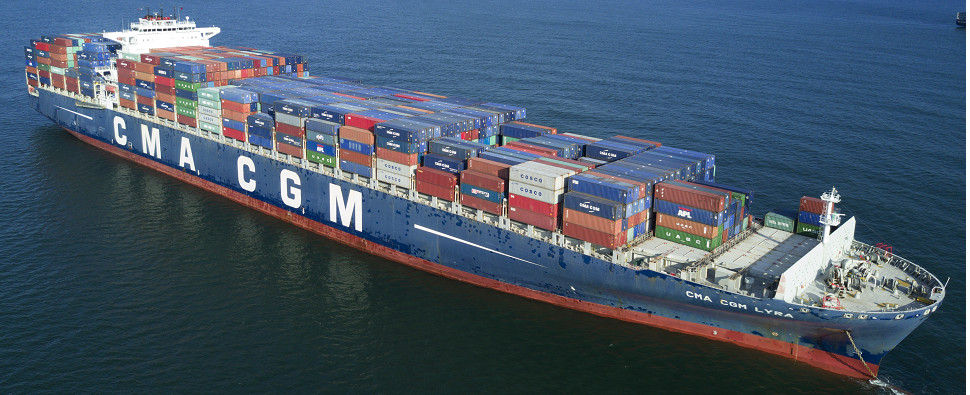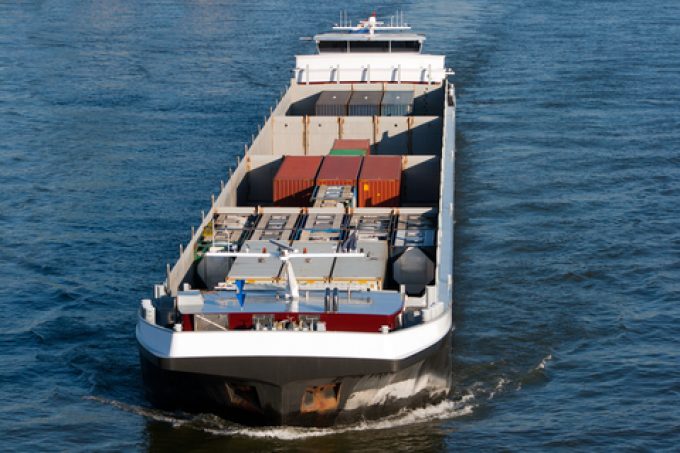
You thought congestion at the ports was bad? Ha. That’s amateur hour compared to what’s brewing on Europe’s inland waterways. Remember those sleek, eco-friendly barges we’re always told are the future? Well, right now, they’re basically stranded, stuck in the mud of the Rhine, thanks to Mother Nature deciding to turn off the tap.
Seriously, the Rhine’s Kaub gauge is sitting at a pathetic 110cm, with forecasts looking even grimmer. Last year, when things dipped below 150cm, barge operators started slapping on surcharges faster than you can say ‘low-water penalty.’ Contargo, a big player, hit shippers with €75 per TEU last year. They haven’t officially pulled the trigger yet for this year, but trust me, they’re licking their chops.
The whole setup is a mess. The Rhine’s capacity is split into sections – Duisburg, Emmerich, Kaub, and Koln. Kaub can supposedly handle traffic when the water’s below 81cm (which, frankly, sounds like a puddle), but carriers have to stop hauling anything along the Duisburg stretch if it hits 181cm. So, you’ve got these massive Ultra-Large Container Vessels (ULCVs) clogging up the deepwater ports, and then the barges that are supposed to ferry that stuff inland are just… waiting. Or worse, they’re running half-empty because they can’t load up fully.
Here’s the thing: the narrative being pushed is that these giant ships are the only problem. But people on the ground — actual, working logistics folks, not the PR department — are whispering that the barge operators themselves aren’t exactly paragons of efficiency. One source, who’s seen it all over two decades, told The Loadstar that the whole ‘alternative to road and rail’ pitch for barges has “taken a battering.” They’re citing “poor service, embedded congestion, and more surcharges,” basically asking shippers if it’s even worth it anymore.
And the congestion at the terminals attached to those big ports? Endemic, apparently. Everyone knows it’s a problem, but nobody wants to cooperate. Imagine if they just shared some space, maybe scaled back the number of boats bobbing around aimlessly? Crazy idea, I know.
Don’t get me wrong, Antwerp and Rotterdam are seeing some relief after being choked for weeks, but even now, Contargo’s latest numbers show handling-wait times stretching to 51 hours in Antwerp and a staggering 86 hours in Rotterdam. That’s not a quick turnaround; that’s a full-blown nap.
“There is a significant shortage of berthing space due to the handling of several deepsea vessels. In individual cases, diversion to alternative berths may be possible. However, significant delays are also to be expected there due to staff shortages. Overall, this situation is leading to extended turnaround times for inland vessel handling, which is affecting our operations.”
So, what’s the endgame here? More surcharges? Shippers fleeing to trucks and trains, which are already stretched to their limits? Or maybe, just maybe, someone will finally force these disconnected players to actually work together. My money’s on the surcharges. Someone’s got to pay for all this inefficiency, and it’s never the guys making the excuses.
Who’s Actually Making Money Here?
Let’s be brutally honest: when you’ve got water levels dipping, barges sailing half-empty, and terminals backed up for days, somebody is bleeding cash. The shippers are getting hammered with higher costs and unreliable delivery times. The barge operators are caught between a rock and a hard place – they can’t operate efficiently with low water, but they’re also apparently not exactly streamlined on the best of days. The only people who seem to be thriving in this chaos? The ones slapping on those ‘low-water surcharges.’ It’s a classic case of a system breaking down, and opportunistic fees filling the void. The consumer, naturally, will be the last to know, but they’ll definitely feel it in their wallets eventually.
Is This Just a Temporary Glitch or the New Normal?
This drought-like condition on the Rhine isn’t exactly a new phenomenon; we saw similar issues last year, and the year before. The combination of increasingly erratic weather patterns due to climate change and the continued trend towards larger vessels in the maritime world seems to be a perfect storm—or rather, a perfect drought—for inland navigation. While it’s tempting to dismiss this as a seasonal hiccup, the trend lines suggest otherwise. If the world keeps warming and ports keep accepting these behemoths without a strong plan for inland distribution, these ‘low-water’ periods could become the standard, not the exception. It’s a stark warning about the fragility of our global supply chains when faced with environmental instability.
🧬 Related Insights
- Read more: Qatar’s Quiet Diplomatic Play for Peace
- Read more: Space Isn’t Sci-Fi Anymore—It’s Your Supply Chain’s Hidden Backbone (and Risk)
Frequently Asked Questions
What does the Kaub gauge measure?
The Kaub gauge measures the water level of the Rhine River at the Kaub straits, a critical bottleneck for shipping. It’s a key indicator for determining the navigability of the river for barges.
Why are falling river levels a problem for barges?
Barges, especially when laden with containers, have a specific draft. When river levels fall, the water depth decreases, making it impossible for fully loaded barges to pass without grounding. Operators then either reduce the load (making fewer trips financially viable) or stop operations altogether, leading to delays and increased costs.
What is a low-water surcharge?
A low-water surcharge is an additional fee levied by barge operators when water levels are insufficient for normal operations. This surcharge aims to cover the increased costs associated with reduced capacity, longer transit times, or the necessity of using less-laden vessels.