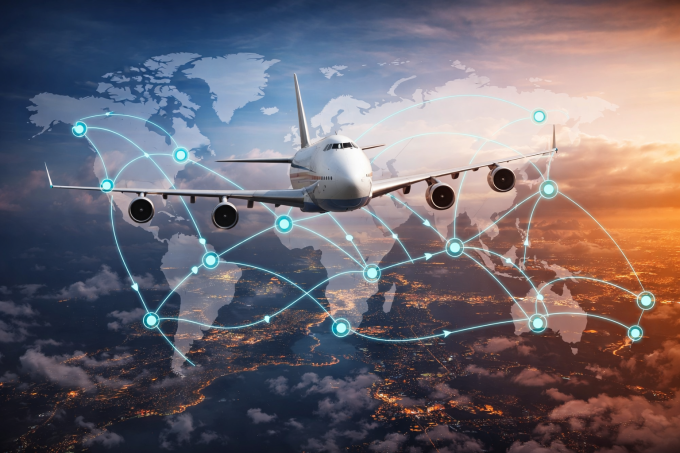
Air Freight Stays Volatile Despite Ceasefire Hopes
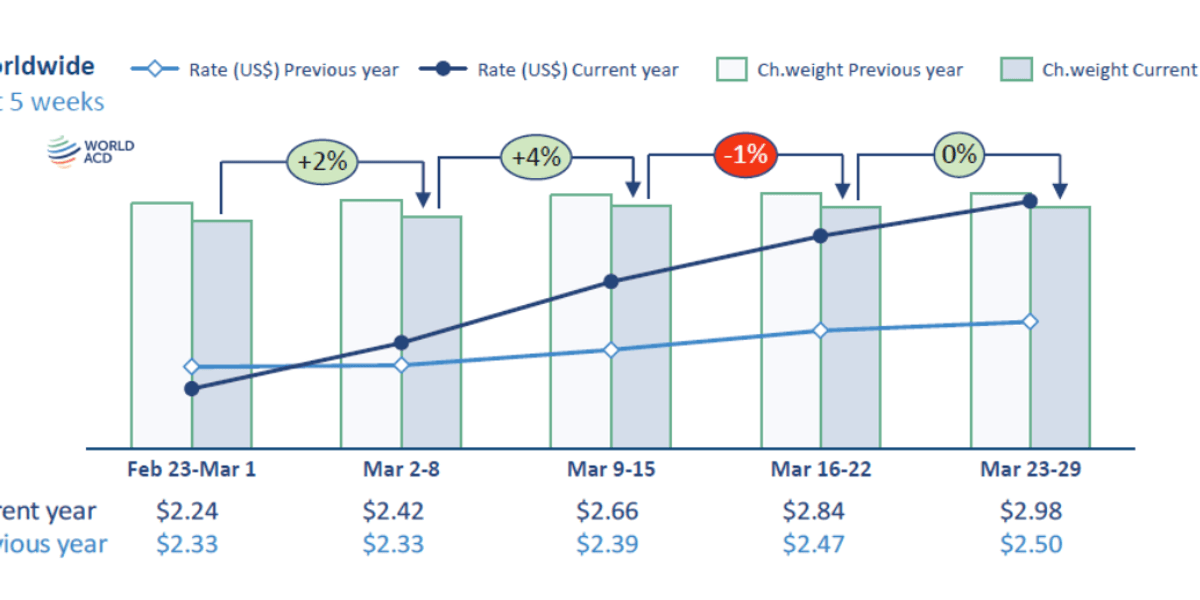
Air freight's nowhere near normal. Ceasefire or not, sky-high fuel and rerouted networks keep rates surging and capacity strained.
A container from Shanghai pulls into Long Beach—inspector slams the halt. Import tariffs aren't suggestions anymore; they're the U.S.'s new frontline weapon in trade wars.
Lamb Weston, the french fry giant behind a quarter of America's frozen spuds, just issued a stark warning: Iran's war drums could jack up fuel and packaging costs by double digits. It's not hype—it's a preview of fragile food chains cracking under geopolitics.
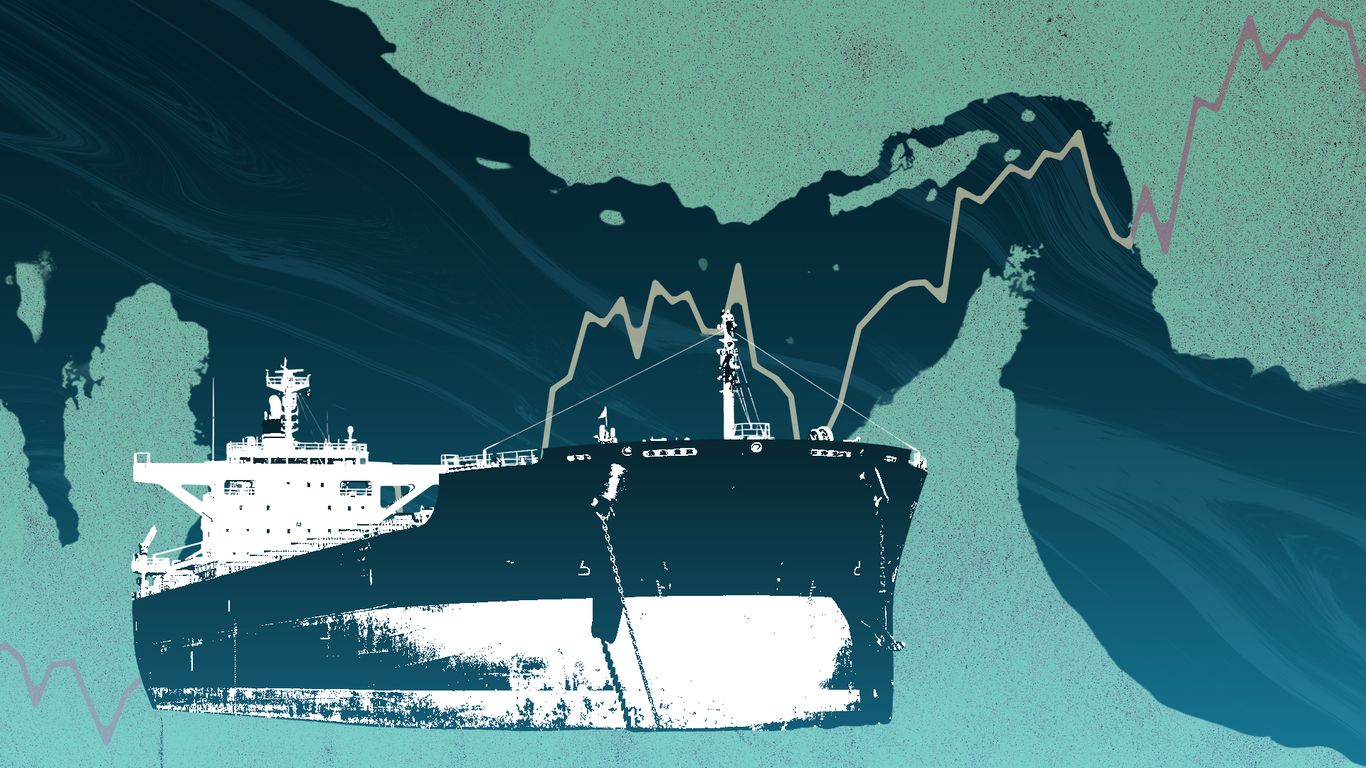
Cargo ships idle off Hormuz as tariffs bite harder than ever. Supply chains face a perfect storm of geopolitics and policy punches.
Parents stocking up on diapers might face delays, but Kimberly-Clark's quick pivot shows supply chains evolving. One blaze exposes vulnerabilities — and sparks futuristic fixes.
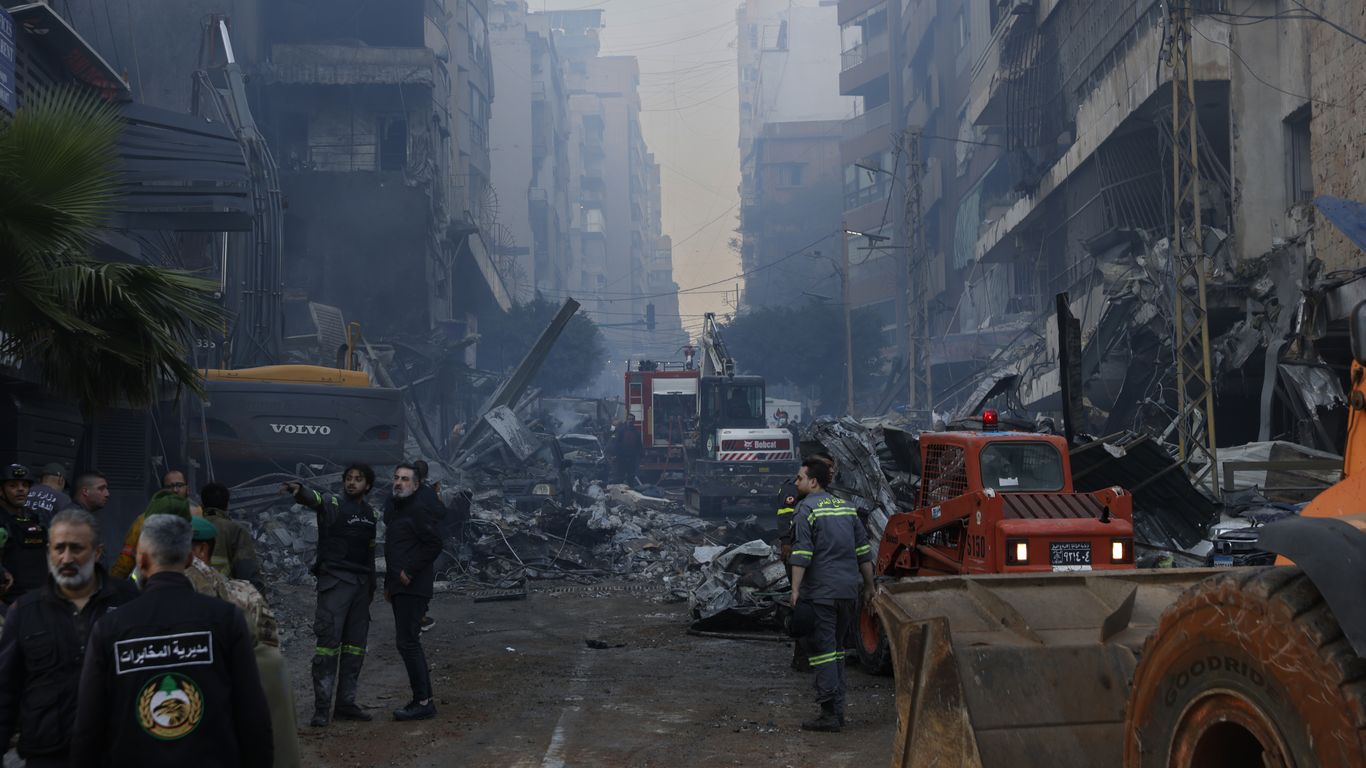
Ever wonder why your container rates are spiking again? Blame Netanyahu's half-hearted pivot to Lebanon talks, as Iran threatens to choke the Strait of Hormuz. This isn't peace—it's a powder keg for supply chains.
Ceasefire? What ceasefire? Iran's slapping crypto tolls on Hormuz tankers while Trump fumes. Supply chains are about to feel the squeeze.
Picture a freighter captain staring at the pump: jet fuel costs twice what they did pre-Iran War. Global airfreight rates just hit $2.98, and it's not peaking yet.
Truckers and warehouse managers won't see impeachment fireworks anytime soon. Instead, Dems eye war resolutions, buying time before Iran tensions could jack up diesel costs and snarl global shipping.