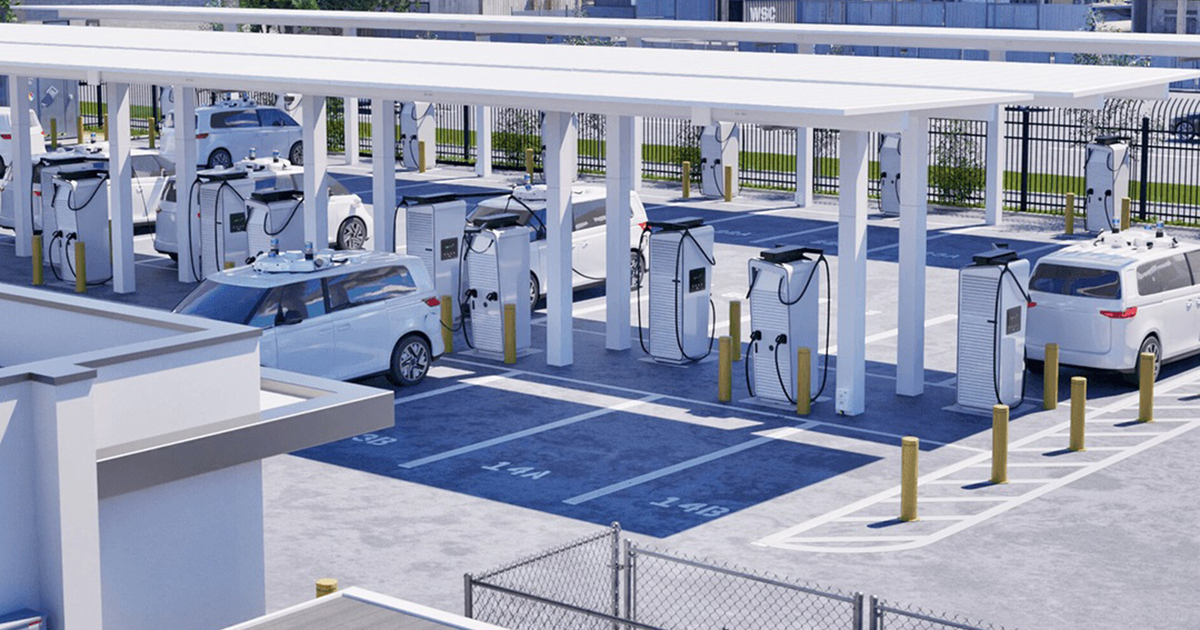
The hum of electric vehicles, once a whisper, is rapidly becoming a roar, and behind that roar is a colossal infrastructure buildout. Just last week, a significant new chapter unfolded as Voltera and Revel Transit Inc. announced their decision to merge their electric vehicle charging businesses, a move that promises to reshape the charging ecosystem for ride-hail and autonomous vehicles across the U.S.
This isn’t just another partnership; it’s a convergence, a coalescing of forces designed to tackle the charging bottleneck head-on. The combined entity, which will proudly carry the Voltera banner, is slated to boast over 1,000 charging stalls spanning 11 major American cities. Think of it like this: if EV adoption is the rocket ship, this merger is building the launchpad and fueling stations across the continent. The ambition is palpable, extending beyond just powering the cars themselves to exploring fleet services, charging for non-autonomous vehicles, and even energy management solutions like battery storage. It’s a holistic approach to electrifying urban transit.
Why does this matter so much? Because the electrification of urban mobility is, to borrow a phrase, one of the most capital-intensive infrastructure buildouts of this decade. Cities are pushing taxi operators to go electric, driven by the undeniable urgency of reducing carbon emissions. And for the burgeoning world of robotaxis, which are poised to expand their commercial services this year, a strong charging network isn’t a luxury; it’s the oxygen they need to survive and thrive. Demand is set to skyrocket, and the available chargers have been the stubborn, blinking red light for wider EV adoption.
The deal sees private equity giant EQT AB, already a Voltera shareholder, taking the majority stake. BlackRock Inc.’s Global Infrastructure Partners LP, Revel’s primary investor, will retain a significant interest. While the exact valuation remains under wraps — a common occurrence in these kinds of high-stakes mergers — the signal is clear: this is a serious play for market dominance.
This strategic pivot for Revel is particularly fascinating. Just nine months ago, they were winding down their ride-sharing operations in New York, stung by losses, and pivoting hard into EV charging. Their ambition then was to blanket Los Angeles, San Francisco, and New York with hundreds of new charging stalls. They even snagged Uber Technologies Inc. as a key partner, securing a guarantee of driver usage at their stations. Now, by merging with Voltera, they’re amplifying that vision exponentially.
This merger is a masterclass in combining complementary strengths. Voltera brings its development prowess and established customer relationships, while Revel contributes its deep understanding of urban operations and an existing, hard-won footprint. It’s the classic synergy play, designed to create a more powerful, more agile entity.
Is This the Dawn of Truly Ubiquitous EV Charging?
The implications of this combined force are vast. It signals a maturing market, one where the initial speculative phases give way to consolidation and the strategic deployment of capital. The companies are effectively betting that the operators who can move fastest and deploy the right assets in the right markets will be the ones to define this burgeoning category. It’s a bold prediction, but one backed by the tangible reality of a rapidly expanding electric vehicle fleet.
Brett Hauser, Voltera’s current CEO, will be transitioning out of his role post-deal closing. However, he’s not disappearing into the ether. He’ll remain involved in a senior commercial advisory capacity, ensuring a smooth handover and leveraging his expertise. It’s a thoughtful approach to leadership transition, recognizing the value of continuity during such a significant shift.
This isn’t just about plugging in cars; it’s about building the arteries of future transportation. It’s about enabling autonomous fleets to navigate our cities, reducing our carbon footprint, and unlocking new efficiencies in urban logistics. The merger of Voltera and Revel is a powerful indicator that the future of mobility isn’t just coming; it’s already being built, stall by charging stall.
What Does This Mean for the Average EV Driver?
While the initial focus is on commercial fleets and ride-hail, the ripple effects will undoubtedly reach the average EV driver. As the infrastructure expands and becomes more dense, it lowers the barrier to entry for everyone. More charging stations mean less range anxiety, more convenience, and ultimately, a faster transition to electric for all. It’s a virtuous cycle, where commercial investment paves the way for broader adoption. The companies themselves suggest they’ll explore charging for non-autonomous cars, which is music to the ears of anyone who owns an EV today and wants more options than just home charging or a busy public station.
🧬 Related Insights
- Read more: Supply Chain Metrics: Chasing Shadows in the Rearview Mirror
- Read more: Supply Chains: Rethink or Perish
Frequently Asked Questions
What does Voltera do? Voltera develops and operates electric vehicle charging infrastructure, focusing on fleet and commercial clients. They are known for their capabilities in site development and customer relations.
What is Revel Transit? Revel Transit is a company that has pivoted from ride-sharing to focus on building and operating electric vehicle charging networks, particularly in urban environments.
Will this merger impact public charging availability? While the primary focus is on commercial fleets, the expansion of charging infrastructure by the merged entity is likely to indirectly benefit the broader EV charging landscape by increasing overall network density and potentially leading to adjacent services for all EV drivers.