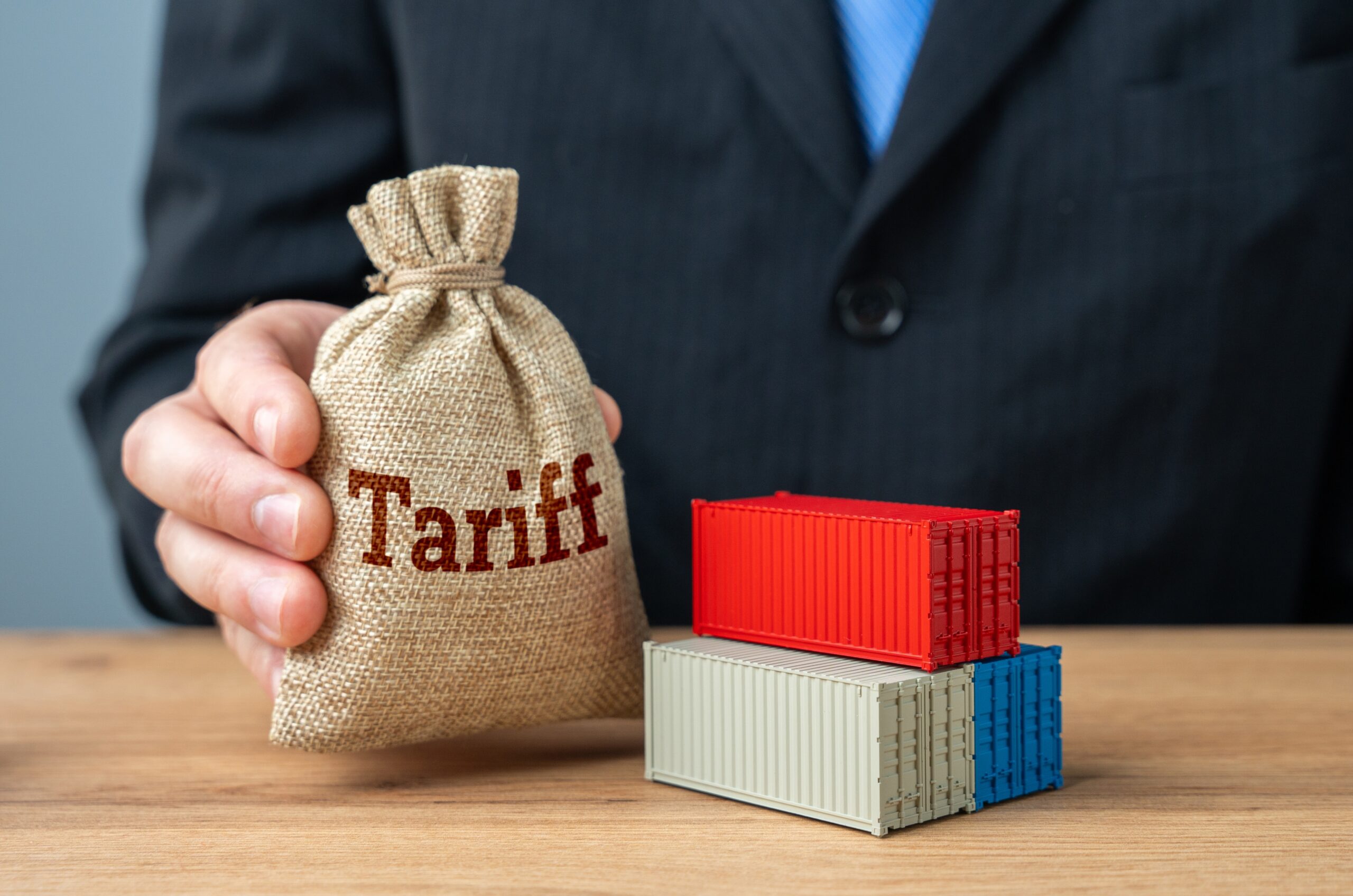
So, what does it mean when Uncle Sam says 15% of your hard-earned tariff refund applications are getting punted? It means paperwork hell. It means sleepless nights. It means wondering if you’ll ever see that money again, even after the Supreme Court told you it was yours.
Here’s the thing: we’re talking about hundreds of millions, maybe billions, of dollars. Importers, the folks who actually move goods across borders, paid tariffs that were later deemed unlawful. They’re supposed to get that cash back. But this fancy new online portal? It’s not exactly singing Kumbaya. It’s rejecting claims faster than a bouncer at a dive bar.
The Great Refund Debacle
Customs and Border Protection (CBP) is apparently quite proud of their new, largely automated system. So proud, in fact, that they felt the need to file an update with the U.S. Court of International Trade. Brandon Lord, one of their executive directors, spilled the beans: out of 13.3 million import entries that even cleared the first hurdle, a whopping 15% got the boot. That’s nearly two million entries denied. Fancy that.
And why are they getting denied? The official reasons sound like something out of a Kafka novel: “entry-specific validations” failed. Great. If all your data isn’t formatted right, or if your file is somehow corrupted, or if you’re not the exact importer of record listed on every single piece of paper – poof. Denied. It’s enough to make you want to go back to bartering with seashells.
This whole mess started because the Supreme Court finally told Trump he couldn’t just slap tariffs on goods willy-nilly using some obscure emergency powers act. A clear win for logic, right? Except the court punted the refund question down the road. So now importers are stuck trying to navigate a system that’s about as user-friendly as a tax audit performed by a grumpy badger.
A Judge’s Premonition
Even the judge overseeing this whole refund rodeo, Richard Eaton, had a bad feeling about this. Before the portal even launched, he voiced concerns about a system that required importers to request refunds. Why? Because, in his not-so-humble opinion, the government already has all the data. They could, and should, just send the money back. But no. That would be too sensible.
This isn’t just about a few hundred dollars. We’re talking about significant sums for businesses that are already operating on razor-thin margins. They’re the ones taking the hit because of a bureaucratic screw-up. It’s a classic case of the little guy getting squeezed while the government pats itself on the back for implementing a new, supposedly efficient, digital solution that’s anything but.
It’s a stark reminder that when governments try to be slick with technology, especially when money is involved, the results are often… less than stellar. This isn’t just a glitch; it’s a symptom of a deeper problem. A system designed to be efficient has become an obstacle. A promised solution has become a new source of pain.
The Human Cost of Bureaucracy
Think about the logistics managers, the compliance officers, the small business owners. They’re the ones spending hours wrestling with this portal. They’re the ones making panicked phone calls. They’re the ones trying to decipher cryptic error messages. This isn’t just abstract numbers on a spreadsheet; it’s people’s livelihoods.
And the CBP? They say importers can refile. Oh, how generous. After all the initial effort, the back-and-forth, the uncertainty, they can just try again? It’s like failing a driving test and being told you can retake it after you’ve already crashed the car. A little bit insulting, don’t you think?
This whole fiasco smells of a government trying to look good by rolling out a flashy new system, only to discover that sometimes, the old-fashioned way—or at least a system that actually works—is better. They want to automate everything, make it smoothly. But when the automation creates more problems than it solves, it’s just… bad management. Plain and simple.
I’ve seen this movie before. A big government agency unveils a brand-new digital platform. Promises efficiency. Promises speed. Promises… something better. And then, inevitably, there’s a colossal mess. We’re not talking about a minor hiccup; we’re talking about millions of dollars being held up because of faulty validation rules and corrupted files. It’s not a failure of technology; it’s a failure of foresight and execution.
And the worst part? The people caught in the middle are the importers. They followed the rules, paid the tariffs, and now they’re being stonewalled by a digital gatekeeper that’s apparently more interested in perfect formatting than in returning rightful funds. This isn’t just a story about denied tariff refunds; it’s a cautionary tale about our increasingly automated world and how easily it can leave real people behind.
Why Does This Matter for Importers?
Look, this isn’t just a minor annoyance. For businesses that rely on predictable cash flow, having millions of dollars tied up in denied refunds is a serious problem. It affects their ability to operate, to invest, to meet payroll. The CBP’s new portal, meant to streamline the process, has become a significant bottleneck. It’s forcing importers to spend more time and resources chasing money that should have been returned automatically. This adds another layer of complexity and cost to an already challenging global trade environment. It’s a bureaucratic bog-down, and it’s hurting businesses.
What Can Importers Do Now?
The official line from CBP is that importers can fix errors and refile. That’s the easy answer. The reality is more complex. Importers need to meticulously review their rejected applications, identify the exact reason for denial (if they can even figure it out from the cryptic error messages), correct any formatting or data issues, and resubmit. It’s a time-consuming process. Some may need to engage customs brokers or legal counsel to help navigate the complexities, adding further costs. It’s essentially a second round of pain for something that should have been straightforward.
**
🧬 Related Insights
- Read more: ArcBest LTL Pricing Climbs 6.3% Despite Slowdown
- Read more: Trump Links Shooting to Ballroom Plans
Frequently Asked Questions**
What does the CBP tariff refund portal do? The CBP’s online portal is designed to process applications from importers seeking refunds for tariffs that were later deemed unlawful by the Supreme Court. It’s intended to automate the process of verifying and approving these refund requests.
Will this deny my tariff refund? Roughly 15% of applications submitted so far have been denied for failing entry-specific validations. Your application could be denied if there are formatting errors, corrupted files, or discrepancies in the importer of record information.
Can I refile a denied tariff refund application? Yes, CBP states that importers can seek to fix any errors in their denied applications and refile them through the portal.