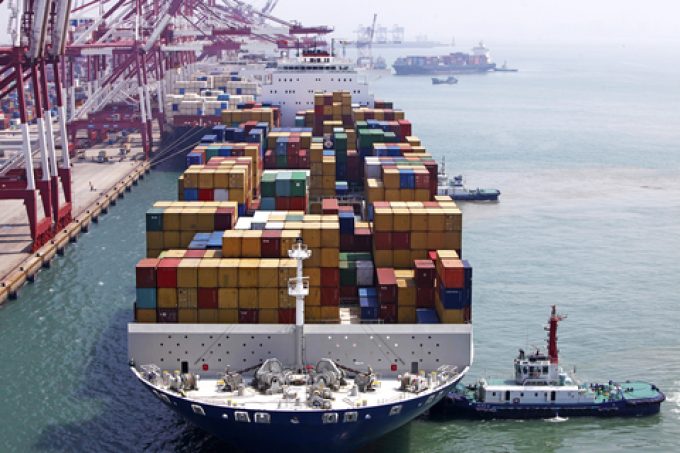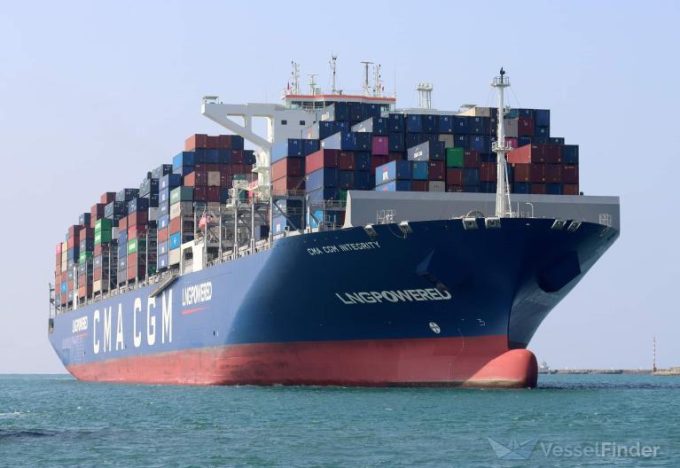
A shipping container sat idly on a dock, a symbol of global commerce, unaware of the legal storm brewing in Washington D.C.
The US Department of Justice has just dropped a bombshell, leveling charges against four of the world’s largest shipping container manufacturers and seven of their executives. We’re talking about alleged cartel conspiracy, pure and simple. The accusation? That these players deliberately choked off supply and inflated prices for standard dry containers over a four-year period, roughly doubling their cost. And during the pandemic, when the world was teetering on the edge of supply chain collapse? Profits at one firm reportedly shot up nearly a hundredfold. This isn’t just a financial headline; it’s a seismic event in global trade, a stark reminder that even the most seemingly basic components of our interconnected world can be subject to manipulation.
AI, the ultimate platform shift we’ve been buzzing about, is designed to create transparency, optimize, and democratize. But here we see the analog world – the physical infrastructure of trade – caught in a decades-old trap of human greed and collusion. It’s like finding a floppy disk virus in a quantum computing lab.
How Did This Happen? A Shadowy Network Emerges
The superseding indictment, unsealed by the US District Court for the Northern District of California, paints a grim picture. CIMC, Singamas Container Holdings, Dong Fang International Containers, and CXIC Group Containers are accused of coordinating their moves from November 2019 right up through January 2024. Their alleged game plan? To throttle production and fix prices on those ubiquitous, standard non-refrigerated shipping containers. All this, they say, in blatant violation of the Sherman Antitrust Act. It’s the kind of old-school collusion that the digital age was supposed to make obsolete.
One key player, Vick Nam Hing Ma, a marketing director at Singamas, was apprehended in France back in April. His extradition to the US is pending. But the net is widening, with six other co-defendants still on the run, including Singamas chairman and CEO Siong Seng Teo and former CIMC president and CEO Boliang Mai. The chase is on.
The conspiracy, according to the indictment, truly solidified on November 14, 2019. Picture this: executives from CIMC, Dong Fang, and CXIC huddle at CIMC’s Shenzhen headquarters. Their mission? To slash output. How? By cutting shifts, reducing hours. To make sure everyone played ball, they reportedly installed a staggering 87 surveillance cameras across 49 production lines! A system of financial penalties was apparently in place to punish any member who dared to exceed their allocated production quota. Singamas? They allegedly hopped on board by March 2020.
This wasn’t some minor hiccup; the impact on pricing was, as Omeed Assefi, acting assistant attorney general of the Justice Department’s Antitrust Division, put it, a seizure of the world’s supply of ocean shipping containers. And who paid the price? Ordinary Americans, footing higher bills and facing longer waits for essential goods. It’s a stark illustration of how cartel behavior can ripple outwards, hitting every one of us.
Pandemic Profits: A Hundredfold Surge
The financial fallout from this alleged scheme is eye-watering. CIMC’s container manufacturing earnings reportedly ballooned from a modest $19.8 million in 2019 to a mind-boggling $288 million in 2020, and then skyrocketed to an astonishing $1.75 billion in 2021. Singamas, which was nursing a $110 million net loss in 2019, flipped the script to a $186.8 million profit by 2021. This isn’t just good business; it’s the kind of profit surge that makes antitrust lawyers reach for their subpoenas.
“The defendants took the world’s supply of ocean shipping containers hostage during the pandemic when supply chains were most in need, and that ordinary Americans ended up paying more and waiting longer for essential goods as a consequence.”
This quote from Assefi nails it. It’s a direct indictment of the timing and the impact. While the rest of the world grappled with shortages and delays, these companies were apparently charting a course to unprecedented profits.
A violation of the Sherman Act isn’t a slap on the wrist. Individuals face up to 10 years in prison and a $1 million fine. For corporations, it’s up to $100 million, with potential doubling if gains or losses exceed that ceiling. This is serious business, and the Justice Department clearly means to make an example.
Is This the Tip of the Iceberg?
The investigation itself was a multi-agency affair, involving the FBI, the US Postal Service Office of Inspector General, and the General Services Administration Office of Inspector General. The cooperation with French authorities in securing Ma’s arrest highlights the international scope of this alleged crime.
And it’s not just the US raising eyebrows. China’s Ministry of Transport recently slapped penalties on nine international container shipping lines and seven NVOCCs for flouting container freight-rate filing rules. This suggests a broader regulatory crackdown on the container shipping sector is underway, with scrutiny intensifying on both sides of the Pacific. It feels like the dawn of a new era of transparency, an era where AI might actually shine a light on these dark corners of global trade.
My unique insight here? This isn’t just about containers. It’s about the fundamental architecture of trust in our supply chains. For years, we’ve been told that technology, particularly AI, will automate and secure these processes. But this indictment reveals how deeply entrenched, how human-driven, and how susceptible to manipulation the physical infrastructure of trade can still be. It’s a powerful reminder that the platform shift to AI isn’t just about writing better code or predicting demand; it’s about re-engineering systems of trust and accountability from the ground up.
🧬 Related Insights
- Read more: Cargo Insurance Strained: Red Sea Crisis Tests War Clauses
- Read more: Trucker Indicted for $22K Toll Evasion, Vehicle Seized [Analysis]
Frequently Asked Questions
What exactly are these companies accused of doing?
They are accused of forming a cartel to illegally coordinate their production and pricing of standard shipping containers, artificially inflating prices and limiting supply between November 2019 and January 2024.
How did this affect consumers?
The alleged cartel activity is accused of doubling the cost of shipping containers, which in turn led to higher prices for imported goods and longer waiting times for consumers, especially during the pandemic.
What are the potential penalties?
Individuals face up to 10 years in prison and a $1 million fine. Corporations can be fined up to $100 million, with potential for fines to double if profits or losses exceed statutory limits.