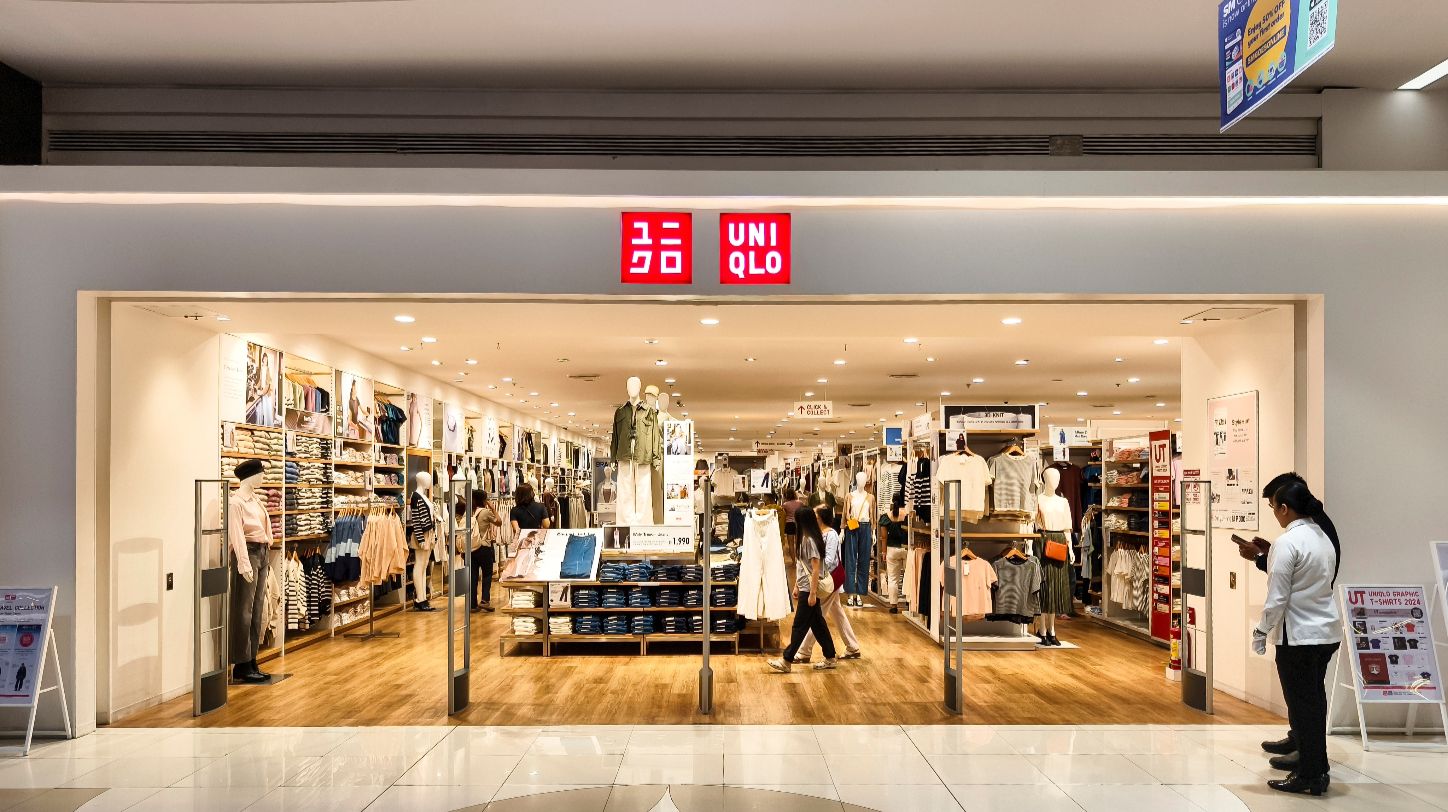
Here we go again. Another warehouse. Uniqlo, the purveyor of serviceable, if uninspired, apparel, has cut the ribbon on a new logistics facility in the Philippines. They’re touting “advanced technology,” “worker-centric spaces,” and even a dash of “environmentally sustainable features.” Sounds lovely. Almost makes you forget it’s just a box to store and move clothes.
This hub, plopped down in Riverpark North, is supposed to supercharge their first-mile operations. The goal? Faster, more efficient distribution of Uniqlo’s ubiquitous “LifeWear” across the archipelago. It’s a noble ambition, certainly. Every retailer worth their salt needs a functioning supply chain. It’s hardly rocket science.
And, of course, there’s the obligatory nod to local employment. Hundreds of jobs, they say. A “thoughtfully designed work environment” that “prioritizes employee comfort and well-being.” One can only hope they mean more than just providing functional restrooms and ergonomic packing stations. The press release dripped with earnest pronouncements from Geraldine Sia, Uniqlo Philippines’ chief operating officer.
“This new warehouse marks a new chapter for us in the Philippines, supporting our commitment to responsible growth while staying true to our purpose.”
Responsible growth. Purpose. These are weighty words. Often, they’re deployed as a shiny veneer over the hard, unglamorous business of moving goods. Sia also waxed poetic about their partnership with “FNG” (no, I don’t know who they are either – more mystery!), aiming to “create local jobs and contribute to the community’s development.” The hope is for the facility to become a “benchmark for supply chain excellence in the country.”
Let’s not get ahead of ourselves. Benchmarks are earned, not declared. Uniqlo’s move into a dedicated logistics facility isn’t entirely novel; it’s more of a catch-up play. The real question isn’t if they built a warehouse, but how well it’s built and operated. Does it truly integrate cutting-edge automation, or is it just a slightly nicer version of what everyone else has? Are the “worker-centric” aspects more than just a perk, or a fundamental shift in how they value their workforce?
Is This Just More Corporate Lip Service?
The language used by Uniqlo screams “corporate responsibility initiative.” While genuine efforts toward sustainability and worker welfare are commendable, the fanfare surrounding a new warehouse feels… manufactured. It’s easy to talk about sustainability when the ink is still wet on the construction contract. Maintaining those standards over years, through economic downturns and shifting priorities, is the real test. Their claim to be a “benchmark” seems premature, a bold statement designed to impress stakeholders rather than a verifiable achievement.
What Does This Mean for Philippine Logistics?
If Uniqlo’s facility actually delivers on its promises, it could indeed raise the bar. Competition is a great motivator. Seeing a major international retailer invest in advanced logistics in the Philippines might encourage other players to follow suit, driving innovation across the sector. However, if it’s simply a standard operation with a bit of green paint, its impact will be negligible beyond Uniqlo’s own operations. The true measure will be in its operational efficiency metrics and its long-term commitment to its stated values, not just the opening day press photos.
This isn’t just about Uniqlo. It’s a microcosm of a global trend: the increasing sophistication required in supply chain management. From sourcing to shelf, every step matters. And while Uniqlo’s LifeWear might be comfortable, their supply chain needs to be more than just adequate. It needs to be exceptional. We’ll be watching to see if this Philippine hub is a genuine leap forward or just another step in the endlessly unfolding, and often repetitive, story of retail logistics.
🧬 Related Insights
- Read more: Oracle Unleashes AI Agent Swarms on Supply Chains – Hype or Help?
- Read more: What is Demand Forecasting?
Frequently Asked Questions
What is the primary function of Uniqlo’s new logistics facility in the Philippines? The facility is designed to enhance Uniqlo’s first-mile logistics capabilities, enabling faster and more efficient distribution of its products to customers across the Philippines.
Will Uniqlo’s new facility create local jobs? Yes, Uniqlo has stated that the facility is expected to generate employment opportunities for hundreds of local residents.
Does Uniqlo’s new facility include environmentally sustainable features? Yes, the facility is reported to include environmentally sustainable features as part of its design.