Remember the old way? Demand planning every month, maybe quarterly if you were feeling ambitious. Replenishment schedules set in stone (or at least, like a really solid spreadsheet). Transportation plans? Oh, those were drafted, adjusted, and then inevitably wrestled with by folks trying to fix problems that had already happened. Visibility tools? Great for showing you what did happen, long after the fact. It was a workable model, sure, back when the world moved at the speed of dial-up.
But buckle up, because that world is dissolving like a sugar cube in a hurricane. We’re hurtling through an era where demand can flip on a dime, suppliers ghost us with zero notice, shipping lanes become rollercoasters, and customers expect your goods yesterday. The real challenge? It’s not just about crafting a better plan anymore. It’s about building an operating model that can feel the tremors, understand the earthquake’s magnitude, and orchestrate a response before the ground beneath us crumbles.
This, my friends, is the electrifying dawn of continuous intelligence.
Why Static Planning Models Are Breaking
Think about it. Your meticulously crafted plan assumes a certain level of predictable calm. It’s like setting a picnic for a sunny day, only to have a rogue tornado rip through the park. A supplier hiccup? Suddenly your production line is in a tangled mess, not in hours, but minutes. A shipping snag? Your entire inventory map redraws itself. A warehouse is suddenly full? Your replenishment priorities go haywire. That sudden demand spike you didn’t see coming? BAM! Your allocation, fulfillment, and promises to customers all start to fray at the edges.
In this chaos, planning and execution can’t afford to be strangers connected by polite, delayed handoffs. The gap between sensing trouble and actually doing something about it? That’s where operational risk lives, and it’s getting larger and larger.
The irony? Most businesses are drowning in data. So much data. Yet, it’s often trapped in digital silos, requiring manual escalations and cross-functional begging to even look at. Static planning is fighting a losing war because the operating environment simply refuses to stay static.
Is Continuous Intelligence the Future of Supply Chain Orchestration?
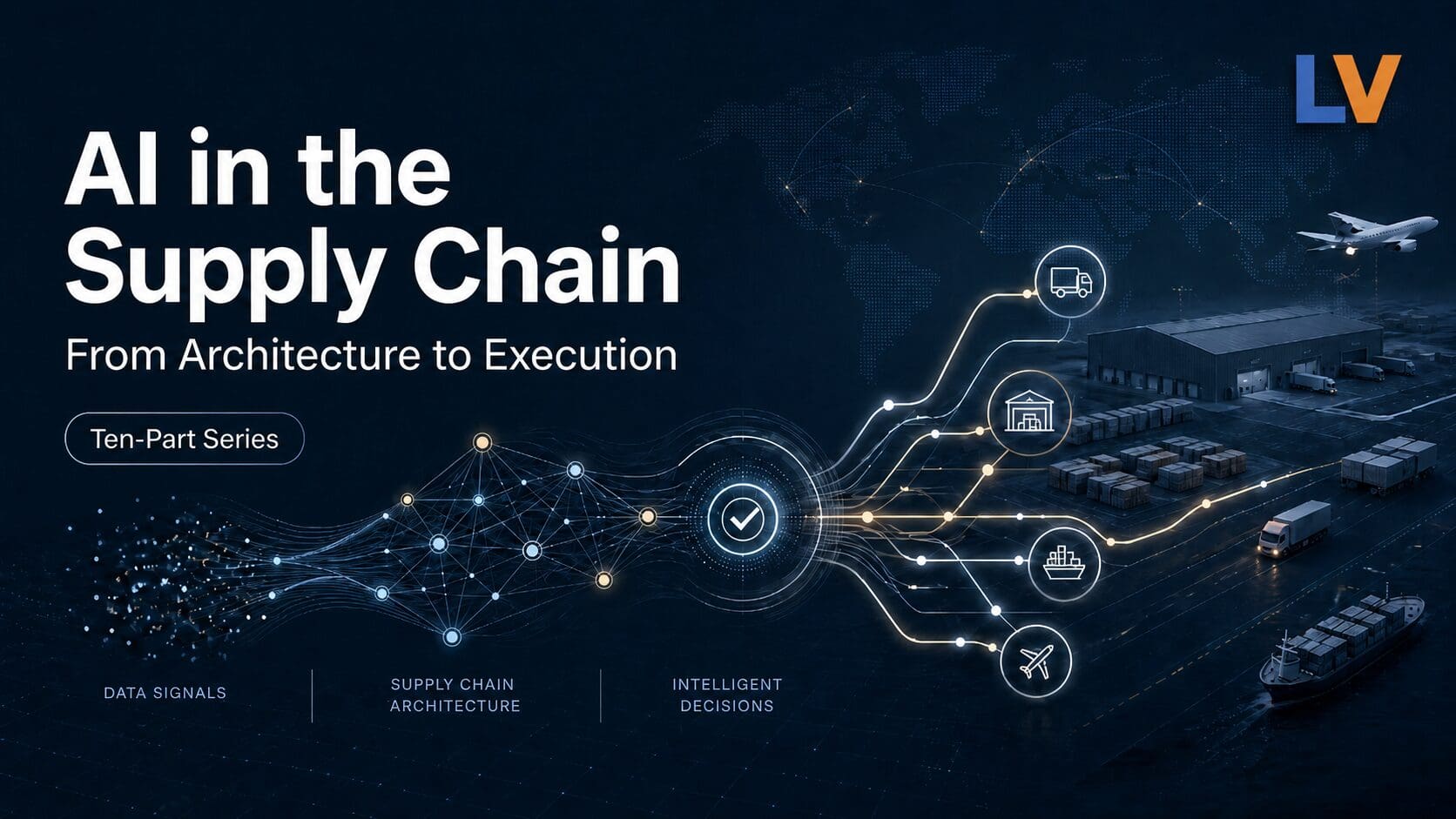
This is where continuous intelligence zaps the old cadence. Instead of waiting for the next scheduled planning meeting, your supply chain starts to live and breathe. It ingests signals, deciphers conditions, flags anomalies, and fine-tunes workflows, all the time. It’s not about every single decision becoming an automated robot taking over, nor is it about planning vanishing into thin air. Nope. It’s about planning becoming persistent, deeply connected, and hyper-responsive to the gritty reality of what’s actually happening on the ground.
Imagine transportation events whispering directly into your inventory management system, influencing decisions as they happen. Supplier delays aren’t just a footnote; they’re actively reshaping your fulfillment strategies in real-time. Warehouse capacity issues aren’t just an execution headache; they’re woven directly into the logic of replenishment. And visibility? It’s no longer just asking, “Where’s my stuff?” It’s becoming the central nervous system for a coordinated, intelligent response.
Here’s the mind-bending part: the difference between mere visibility and true intelligence. Visibility tells you the score. Continuous intelligence tells you who’s winning, who’s about to get benched, and exactly what play to run next.
Planning and Execution Are Converging: A Unified Front
The ancient wall between planning and execution is crumbling because the ripples from a screw-up in execution now flood back into planning faster than our old systems can even register them. A shipping delay isn’t just a logistics problem anymore; it’s a potential production halt, an inventory crisis, a broken customer promise, and a strained supplier relationship rolled into one.
A bottleneck in a warehouse isn’t just about moving boxes; it’s about rewriting your replenishment schedules and potentially gutting your service commitments. A supplier going dark isn’t just a procurement headache; it’s a siren call for changes across planning, fulfillment, and how you interact with your customers. This convergence is precisely why the tech world is buzzing about orchestration platforms, event-driven architectures, digital twins, AI-powered planning, and operational intelligence layers. The memo is clear: supply chains are ditching isolated functional optimization for holistic network coordination.
The businesses that nail this transition won’t just have better forecasts; they’ll have impossibly agile response systems.
Why Enterprise Architecture Has to Change
This seismic shift in operations has profound implications for how we build our digital backbones. Your trusty ERP, TMS, WMS, planning, and procurement systems? They’re still the bedrock, the reliable workhorses that manage transactions, enforce discipline, and keep things orderly. But let’s be honest, they weren’t built to be the conductor of an orchestra playing a symphony of continuous adaptation. That fundamental gap is precisely where a new layer of intelligence is stepping in, poised to orchestrate the adaptive supply chains of tomorrow.
My own take? This isn’t just an IT upgrade; it’s a cultural awakening. Companies clinging to the old ways are essentially trying to navigate a Formula 1 race with a horse and buggy. The data is there. The AI capabilities are mature enough. The market demands it. The only question is, are you ready to embrace the speed of now?
🧬 Related Insights
- Read more: 93,000ft² Walsall Industrial Scheme Gets Green Light
- Read more: Truck Safety Ratings: OEMs Embrace Third-Party Scrutiny
Frequently Asked Questions
What is continuous intelligence in a supply chain? It’s a supply chain operating model where systems continuously sense changes, interpret their implications, and coordinate responses in near real-time, moving beyond static, periodic planning cycles.
Will AI replace supply chain planners? AI is more likely to augment human planners, handling routine analysis and suggesting actions, allowing planners to focus on complex problem-solving and strategic decision-making.
How is this different from just having good visibility tools? Visibility tells you what is happening. Continuous intelligence uses that visibility, combined with AI and other data, to predict what will happen, assess risks, and recommend or automate the best course of action.