What if the freight recession’s ‘light at the end of the tunnel’ is just a flatbed headlight?
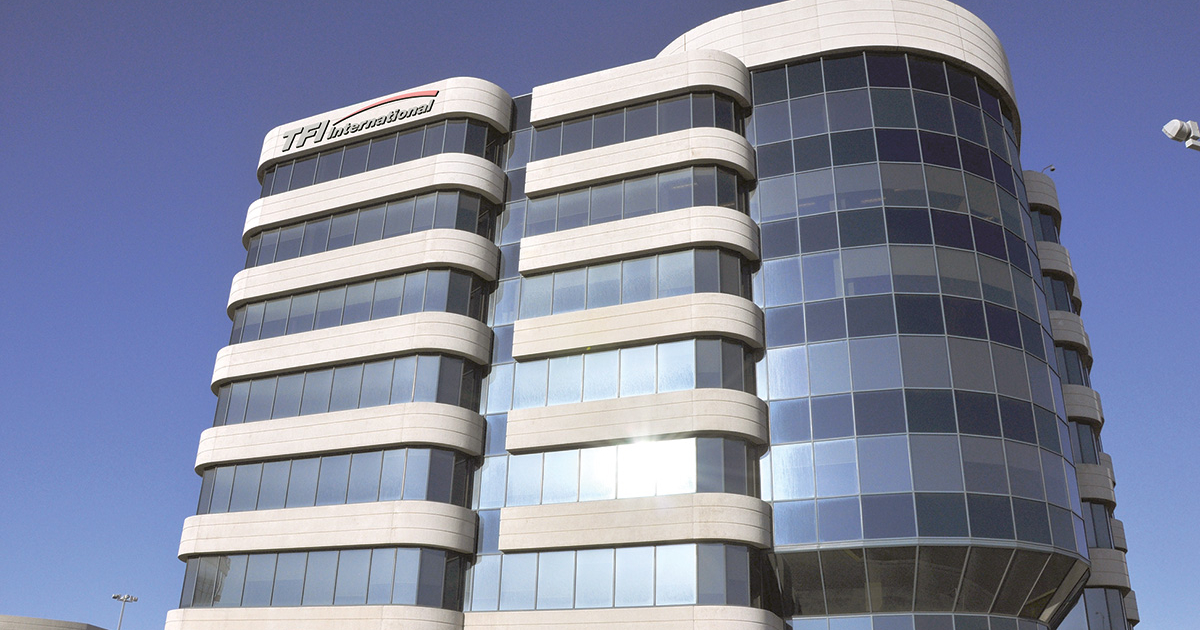
TFI International’s Q1 2026 results landed better than Wall Street’s gloom, adjusted EPS hitting 69 cents against the expected 61. Revenue slipped to $1.949 billion from $1.964 billion a year prior — weaker demand’s fault, sure — but acquisitions and savvy flatbed plays padded the bottom line. Net income dropped to $43.3 million from $56 million, yet executives shrugged it off as positive momentum headed into Q2.
Why Did TFI’s Truckload Segment Actually Improve?
Truckload revenue crept up 1% to $672.8 million. Operating ratio? Down to a crisp 92.7 from 93.7. That’s no accident. Fleet productivity spiked — average revenue per truck per week jumped 8.2% to $5,141, thanks to flatbed strength and shedding excess rigs. Truck count fell 7.1% to 6,939; trailers dropped 8.4% to 21,298. Less stuff, more efficiency. Flatbed rates? Renewals in high single to low double digits, plus 20-25% spot exposure fetching premiums.
“We’re renewing contracts in the U.S. flatbed in the high single digits to low double digits. We also have about 20%-25% spot exposure in the U.S. flatbed, and those rates are coming in higher,” Chief Financial Officer David Saperstein said during the April 28 earnings call.
Bédard himself sounded almost cheerful.
“We’re starting to see a little bit of light at the end of the tunnel in terms of the demand. … I feel really good about where we’re at,” CEO Alain Bédard told analysts and investors.
Is TFI’s LTL Woe a Red Flag or Temporary?
Less-than-truckload? Not so hot. Revenue down 2% to $656.3 million, OR worsened to 95.3 from 93.1. Revenue per hundredweight slipped 2.4% to $19.68, though shipment weights ticked up slightly. Still, it beat dire forecasts — Bank of America’s 98.3 OR guess and TFI’s own 97.8 outlook. Organic growth? Bédard hints at breakeven or slight gains in Q2, a novelty after years of shrinkage. Remember, TFI snagged UPS’s U.S. LTL in 2021, rebranded as TForce Freight — No. 6 on Transport Topics’ list — yet it’s struggled in this downturn.
Executives forecast Q2 OR improvements: 600-700 basis points for LTL (that’s 6-7 points), 2-3 for truckload, 4-5 overall. Optimistic. But interest rates loom large, squeezing everyone.
Acquisitions fueled the quarter — TA Dedicated swallowed Triangle Warehouse in February, undisclosed price. Earlier wins like Daseke in late 2023 bulked up industrial exposure, a smart hedge when consumer freight tanked. Yet no big buys ahead. “Limited M&A activity in 2026,” they say, citing freight fog and rate uncertainty. Deal-hungry TFI going dormant? Smells like 2008-09 vibes, when carriers hunkered down post-housing bust, waiting out the storm before pouncing on distressed assets.
Here’s the unique angle TFI glosses over: this flatbed resilience echoes the early 2010s steel and energy boom, when industrial hauls decoupled from retail slumps. Back then, carriers like JB Hunt rode flatbed waves to double-digit gains while others bled. TFI’s Daseke bet positions it similarly — but will manufacturing’s whisper of re-shoring deliver? Or is it PR spin masking broader weakness? Executives tout momentum, but revenue contraction screams caution. Who’s really profiting? Flatbed drivers and lessor partners shedding idle equipment, that’s who.
Skepticism warranted. Freight markets love false dawns. TFI’s OR beats mask volume erosion; acquisitions prop up topline without organic fire. Q2 guidance tempts bulls, yet high rates could kneecap any capex or deals. Bédard’s tunnel light? Could be oncoming train if industrial demand fizzles.
Truckload’s fleet trim — deliberate pruning — boosts per-truck metrics, a classic recession play. LTL’s stall ties to e-comm normalization post-pandemic; TForce integration drags on. Company-wide, adjusted earnings shine because they strip out one-offs — rolling stock sales juiced profits, a non-core crutch.
Will Freight Recovery Actually Hit TFI in 2026?
Prediction: TFI outperforms peers if flatbed holds, but M&A freeze signals exec doubt. Historical parallel? Post-2009, TFI-like consolidators waited 18 months before binge-buying. If rates ease by mid-2027, watch for fire sale spree. Until then, it’s operational grind — no heroes, just survivors.
Broader supply chain lens: TFI’s industrial pivot dodges retail woes, but tariffs and geopolitics could spike flatbed volatility. Steel duties? Wind turbine hauls? All in play.
Bottom line. TFI beats expectations. Flatbed saves the day. Q2 looks brighter. But in trucking, hope’s a lousy metric — cash flow’s king.
🧬 Related Insights
- Read more: Cold Chain Logistics: Challenges and Solutions for Temperature-Sensitive Goods
- Read more: ICE Deported 442K in FY25: Trump’s 1st Data Dump [Analysis]
Frequently Asked Questions
What caused TFI’s Q1 2026 revenue decline? Reduced volumes from weak end-market demand, offset somewhat by acquisitions.
Why is TFI pausing M&A in 2026? Uncertainty over freight recovery and persistent high interest rates.
Can TFI’s flatbed strength continue into Q2? Executives expect OR improvements and early organic LTL growth signs.