![Knight-Swift's LTL Surge: Weight Per Shipment Up [Q1 Data] — Supply Chain Beat](/og-image.svg)
Here’s the thing: for years, the freight industry has been laser-focused on speed, volume, and those endless highway miles. We’ve seen carriers optimize for efficiency in ways that felt like squeezing every last drop of juice from an orange. But what if the next big leap isn’t about going faster or carrying more individual packages, but about carrying heavier ones, more intelligently?
That’s precisely the seismic shift we’re seeing hinted at with Knight-Swift’s latest Q1 earnings report. Forget the simple narrative of trucking giants. This is about a fundamental platform change, a subtle yet powerful recalibration that could redefine how LTL freight operates. It’s like discovering you’ve been trying to build a skyscraper with toothpicks when you actually had steel beams all along.
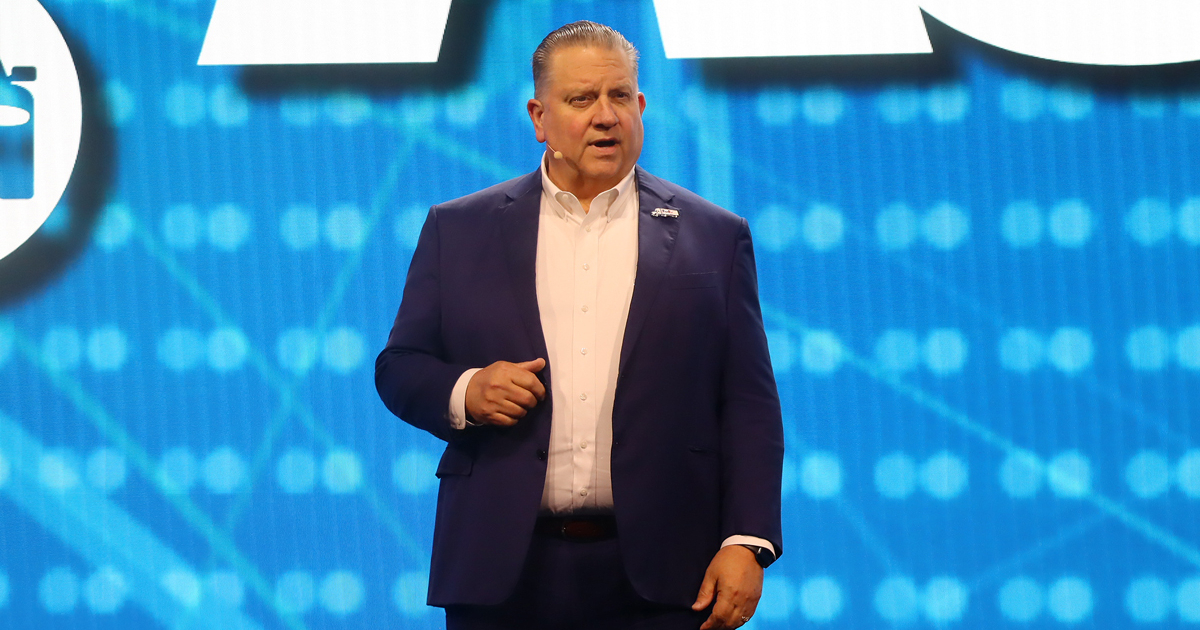
Knight-Swift CEO Adam Miller dropped a bombshell – or rather, a very well-placed data point – on their recent earnings call. “We saw a notable improvement in weight per shipment for the first time in years,” he stated, and for anyone tracking the granular details of freight economics, that sentence is pure gold.
Why such a big deal? Think about it. Traditionally, LTL is all about consolidating smaller shipments from multiple customers into one truckload. The lower the weight per shipment, the more pickups and drop-offs, the more administrative overhead, and often, the less profit margin per mile. It’s a delicate dance of efficiency, and frankly, sometimes it feels like a lot of effort for a little return.
But when the average weight per shipment climbs? That means fewer stops, more consolidated goods on each journey, and a more efficient use of trailer space. It’s the difference between a truck filled with a hundred tiny boxes and a truck filled with ten pallets, each packed with substantial goods. The latter requires less time, less fuel for frequent stops, and less wear-and-tear for the same overall payload capacity. It’s a win across the board.
The LTL Reimagining
This isn’t just a blip; it’s a signal. This strategic pivot suggests Knight-Swift is moving beyond simply optimizing the existing LTL model to actively transforming it. They’re not just filling trucks; they’re filling them with more value. This implies a smarter approach to customer acquisition, perhaps focusing on clients with larger, heavier LTL needs, or developing new service offerings that cater to this specific improvement. It’s AI-driven logistics, if you will, but the AI is the human strategy behind it, making smarter decisions about what goes where.
Consider the analogy of a grocery store. For years, the focus was on getting as many individual items onto the shelves as possible. Now, imagine the store realizing it makes more sense to sell larger, bulk packages of staples alongside the smaller items. The logistical effort per sale decreases, and the overall revenue from that shelf space increases. Knight-Swift is doing this with their trailers.
“We saw a notable improvement in weight per shipment for the first time in years,” CEO Adam Miller said on a Q1 earnings call.
This focus on longer hauls and heavier LTL shipments also directly addresses some of the persistent challenges in the freight industry. Labor shortages? Less time spent on each delivery means drivers can complete more revenue-generating trips. Fuel costs? Fewer stops and more efficient routing translate to significant savings. It’s a beautiful ripple effect.
Is This the Future of Freight?
What’s truly exciting here is that this aligns perfectly with the broader AI platform shift we’re witnessing across industries. While we often think of AI in terms of autonomous vehicles or predictive analytics for demand forecasting, its true power lies in enabling smarter, more efficient decision-making at every level. Knight-Swift’s LTL success isn’t just about smart trucks; it’s about a smarter business strategy, enabled by data and a forward-thinking approach to operational design.
This move also positions Knight-Swift favorably in a market that’s constantly seeking greater efficiency and cost-effectiveness. As supply chains become more complex and customer demands more exacting, carriers that can offer optimized LTL solutions will have a distinct competitive edge. It’s about moving from a transactional model to a relational one, where the carrier is a true partner in the client’s logistics success.
It’s not hyperbole to say this could be a blueprint for others in the LTL space. If Knight-Swift can prove out this strategy – and the Q1 numbers suggest they are well on their way – expect to see competitors scrambling to adapt. The era of simply moving freight is giving way to the era of intelligently moving optimized freight. And that’s a future worth getting excited about.
🧬 Related Insights
- Read more: Flatbed Rates Leap 11 Cents to $2.55/Mile: Decade’s Biggest Jump Hits Truckers Hard
- Read more: Hapag-Lloyd CEO Launches Podcast: ‘Straight Talk’ with Rolf Habben Jansen
Frequently Asked Questions
What does Knight-Swift’s LTL improvement mean?
It means their Less-Than-Truckload (LTL) shipments are getting heavier on average. This indicates a more efficient use of trailer space and potentially fewer stops per trip, leading to cost savings and increased profitability.
Will this impact delivery times for smaller shipments?
While the focus is on improving LTL efficiency, the goal is often to make the overall network smoother. This could indirectly lead to better utilization and potentially less congestion for all shipment types, though individual delivery times might vary based on specific routes and service levels.
How does this relate to AI in trucking?
While not directly about autonomous vehicles, this strategic shift use data and operational intelligence to make smarter decisions about freight consolidation and routing. This ‘smarter’ operational approach is a key outcome of the broader AI platform shift, enabling businesses to optimize processes beyond just technology.