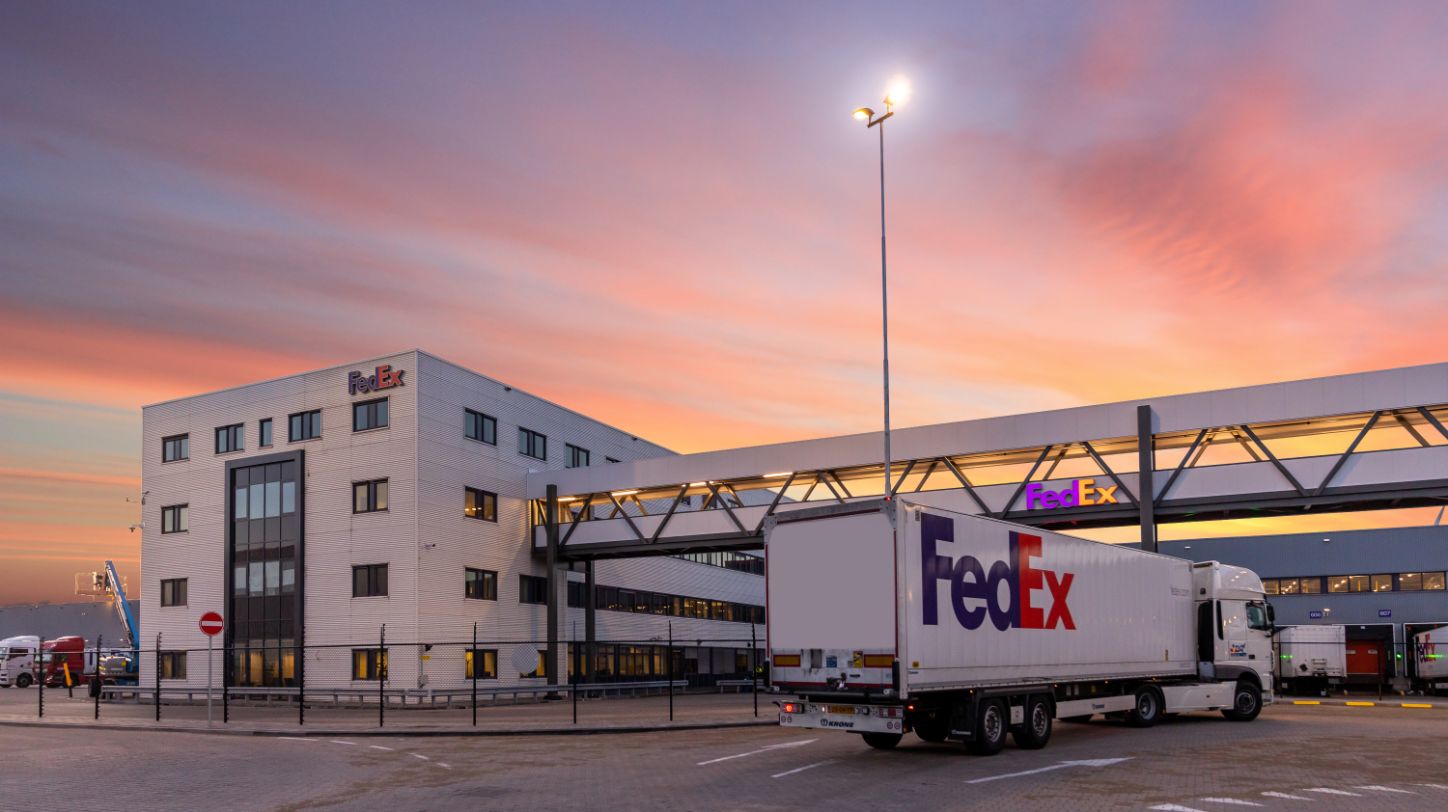
The earth-shaking rumble you hear? That’s the sound of FedEx pouring €46 million into its Duiven, Netherlands, road hub. This isn’t just a sprinkle of cash; it’s a full-blown investment in pumping more muscle, more speed, and frankly, more future into their European network. They’re not just adding square footage; they’re building a launchpad.
Look, if you’ve ever felt the sting of a delayed package, the gnawing anxiety of a shipment stuck in transit, you understand why this kind of development matters. It’s like upgrading a country road to a multi-lane superhighway. Suddenly, everything flows. And that’s precisely what FedEx is aiming for here – to obliterate bottlenecks.
Unleashing the Beast: More Space, More Speed
What does €46 million actually buy you in the world of logistics? For starters, a staggering 50% surge in palletized freight handling capacity. Think of it as unlocking more lanes on that superhighway. Then there are the 65 new dock doors, swelling the total to a whopping 265. Each door is a portal, a point of entry and exit that, when multiplied by hundreds, creates an almost unimaginably fluid exchange of goods. This is how you combat the dreaded peak season crush – by building a bigger, more efficient beast to tame it.
The beauty of this expansion, as outlined, is its strategic intent. They’re not just expanding for expansion’s sake. The goal is to pull more freight directly from customers, bypassing some of the traditional, sometimes slower, first- and last-mile legs. This creates a more direct, more responsive pipeline, a kind of express lane for your goods. It’s about shaving off precious hours, even days, and injecting a palpable sense of urgency and reliability into the entire European network.
“The Duiven hub is one of the largest and most technologically advanced FedEx road hubs within the European Road Network. As it’s strategically located and fully connected to every other FedEx road hub across the continent, it plays a central role in delivering our European service offering.”
This quote from Safia Ladhari, FedEx’s managing director of network operations, isn’t just corporate speak; it’s the heartbeat of their strategy. Duiven isn’t just a hub; it’s the linchpin. Its connectivity is the neural network, and this expansion is like giving that network a massive cognitive upgrade.
Is This Just More of the Same? The AI Angle.
Now, here’s where my futurist brain gets truly excited. While the article focuses on bricks, mortar, and dock doors, what it doesn’t explicitly detail is the AI integration that’s surely humming beneath the surface. Any facility this size, this technologically advanced, isn’t just about human power and conveyor belts anymore. We’re talking about AI-powered sorting, route optimization that makes human planners weep with joy, predictive maintenance that stops breakdowns before they happen, and intelligent demand forecasting that means this increased capacity is being deployed with surgical precision.
Think of AI not as a replacement for these physical expansions, but as the intelligent fuel that makes them truly sing. It’s the difference between a powerful engine and a car that knows how to drive itself at peak performance. FedEx isn’t just building a bigger warehouse; they’re building a more intelligent, more responsive organism. The physical expansion is the body; the AI is the brain, orchestrating every movement with unparalleled efficiency.
This €46 million is more than just an investment in infrastructure; it’s a bold declaration that the future of logistics is about speed, intelligence, and unwavering reliability. It’s a bet on a world where friction in supply chains is actively being engineered out, replaced by a symphony of automated, optimized, and accelerated movement. And frankly, that’s a future I can’t wait to see unfold.
Why Does This Matter for the Average Shipper?
For the everyday business owner, the e-commerce entrepreneur, or even the individual sending a critical package, this means one thing: things are about to get faster and more dependable. That surge in capacity and efficiency translates directly into quicker delivery times and a reduced likelihood of those dreaded “delay” notifications. It’s about building a more resilient supply chain that can absorb shocks and keep moving forward, especially when it counts the most. This expansion is a promise of better service, delivered.
What Does This Expansion Mean for Competitors?
FedEx is clearly signaling its intent to lead, not follow. This kind of investment puts pressure on competitors to either match the scale and technological sophistication or risk being left behind in the dust. It’s a move that tightens their grip on the European market and raises the bar for what customers can expect in terms of speed and service. The race is on, and FedEx just put its foot firmly on the accelerator.
🧬 Related Insights
- Read more: CMA CGM Profits Sink: Intermodal Rebound Unlikely?
- Read more: GM’s AI Simulates 50,000 Years of Driving in Mere Days – Logistics’ Wake-Up Call
Frequently Asked Questions
What is the main purpose of the FedEx Duiven hub expansion? The primary goal is to significantly increase capacity and operational efficiency at the Duiven road hub, allowing for more direct freight handling and improved service reliability across Europe.
How much is FedEx investing in the Duiven facility? FedEx is investing €46 million (approximately £39.84 million) in the procurement and development of a neighboring facility to expand the Duiven hub.
What are the key improvements expected from this expansion? Key improvements include a more than 50% increase in palletized freight handling capacity and the addition of 65 dock doors, bringing the total to 265, to streamline operations and reduce reliance on intermediate locations.