This isn’t just about a few extra cents at the pump. For trucking fleets still running older, less efficient Class 8 rigs, the current diesel price surge is more than an inconvenience; it’s a full-blown financial hemorrhage. The simple math: outdated engines guzzle more fuel, and when that fuel price climbs into the stratosphere – we’re talking north of $5.20 a gallon, often higher regionally – the bottom line craters. Fleet Advantage’s latest data dives deep into this, not just reporting the numbers, but showing the brutal architectural reality for these businesses.
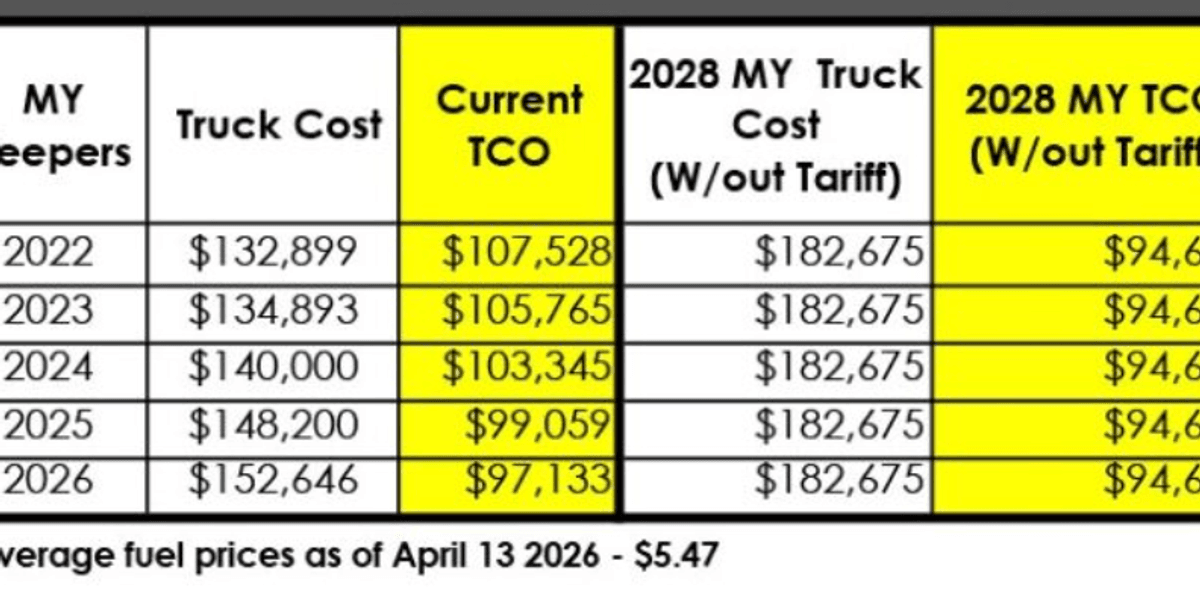
Consider the stark contrast: ditching a 2022 model for a 2028 equivalent can slash costs by nearly $13,000 per truck in that first year alone. That’s not chump change; that’s the difference between surviving and sinking when fuel prices do what they’ve done recently. The national average diesel price jumped a jaw-dropping 40% in April 2026, hitting $5.47 a gallon. This isn’t a blip; it’s a systemic widening of the performance and economic chasm between the haves (newer, efficient trucks) and the have-nots (older, thirsty ones).
Why is this happening? It’s an age-old story of technological debt meeting economic shock. Newer trucks, built with more advanced engine technology and aerodynamics, are simply designed to sip fuel. They’re engineered for efficiency. Older trucks, not so much. Their engines are less refined, their emissions controls might be less effective, and their overall design predates the relentless pursuit of every MPG. The surge in diesel prices, often linked to global instability like the U.S. and Israel’s actions regarding Iran, acts as an accelerant, exposing these fundamental inefficiencies like a harsh spotlight.
Brian Antonellis, Senior Vice President of Fleet Operations at Fleet Advantage, nails it. He states, “The surge in diesel prices we’re witnessing today doesn’t create a new problem for our clients; it dramatically accelerates an existing one.” This is key. The financial strain of aging equipment isn’t new, but the extreme fuel costs are turning a persistent headache into a migraine. He goes on to quantify the pain: “A fleet running 100 trucks from the 2022 model year will absorb over $1.2 million more per year in costs than a company with 2028 equipment.” One point two million dollars. Let that sink in.
The Compounding Cost of Old Iron
It’s not just fuel. While fuel is the headline grabber, the underlying architecture of older trucks means a compounding cost burden. Maintenance on aging vehicles is notoriously more expensive. Parts become harder to find, specialized technicians are needed, and breakdowns mean more downtime – which, in the trucking world, is the ultimate profit killer. The total cost of ownership (TCO) for older trucks has always been higher, but fuel is the variable that’s gone nuclear, making the fixed costs of older iron unbearable.
Why Does This Matter for Your Everyday Life?
This isn’t just a problem for trucking companies. Think about what these trucks move: everything. Groceries, electronics, raw materials for manufacturing, finished goods. When the cost of moving those goods skyrockets, guess who ultimately pays? That’s right. Us. So, that slight increase in the price of your favorite soda? It might be indirectly linked to an aging Peterbilt burning through an extra $50 worth of diesel on its journey from the distribution center to your local store. The ripple effect is real, tangible, and directly impacts household budgets.
The Tech Fix: More Than Just New Paint
So, what’s the answer? The data points toward upgrading. But it’s more than just slapping a new sticker on the side. It’s about embracing advancements in engine technology, aerodynamics, and even telematics that help optimize routes and driving behavior. Newer trucks are built with a holistic view of efficiency, aiming to reduce not just fuel consumption but also maintenance needs and emissions. The investment in new equipment, while significant, is increasingly becoming a matter of survival, not just a competitive edge.
This isn’t a trend that’s going away. As the world grapples with volatile energy markets and an ever-increasing demand for goods, the pressure on logistics and transportation networks will only intensify. Fleets that refuse to adapt, that cling to their old iron, will find themselves not just struggling, but increasingly irrelevant. The architecture of the future supply chain is one of efficiency, data-driven decision-making, and—yes—fuel-sipping technology.
🧬 Related Insights
- Read more: Hormuz Reopening: Shipping Still Stuck Despite Ceasefire
- Read more: El Niño Looms Over Panama Canal, Threatening US Holiday Electronics Haul
Frequently Asked Questions
What is the main finding of the Fleet Advantage study? The study found that fleets operating older model Class 8 trucks face significantly higher costs due to diesel price spikes compared to those with newer vehicles.
How much can upgrading a truck save? Upgrading from a 2022-model truck to a 2028 model can save organizations up to $12,845 per vehicle in the first year, primarily due to fuel efficiency.
Will this lead to higher prices for consumers? Potentially. Increased operating costs for trucking companies can translate to higher shipping expenses, which may be passed on to consumers in the form of higher prices for goods.